

Geopolitical tensions are rising, and power players are playing their games, but the crypto market appears somewhat resilient, with Bitcoin jumping from $64,000 to $67,200 at 3:30 AM EST on Sunday. Last week, the crypto news cycle saw major developments; however, the industry remained largely unaffected as the current geopolitical turmoil only began yesterday.
Looking ahead, the upcoming days could be a critical turning point as the political conflict has not yet final resolution. Here is what you need to know about the top crypto news stories from the past week.
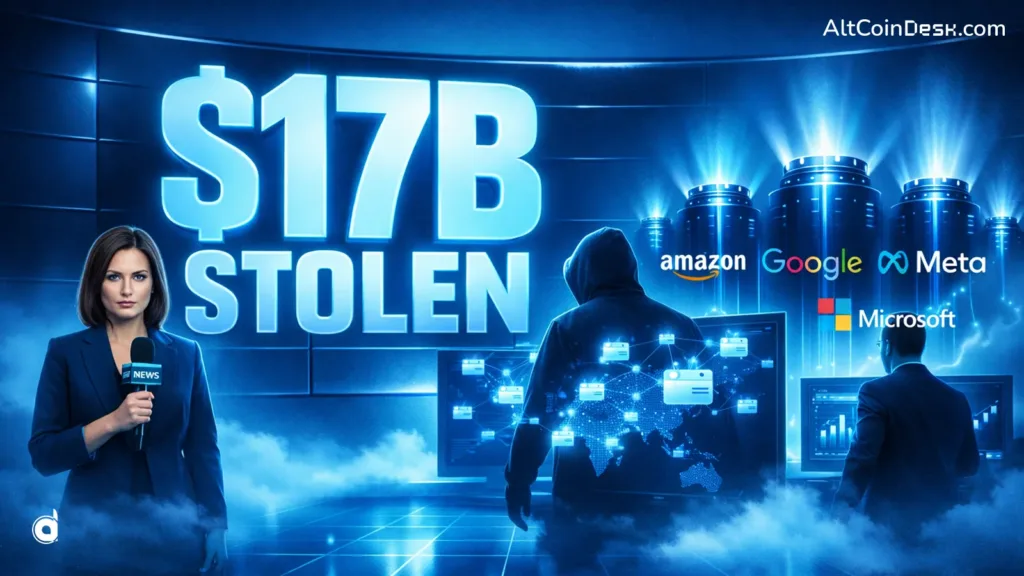
$17 billion in crypto stolen in 2025: Report
According to a new report by Chainalysis, scammers stole nearly $17 billion worth of crypto in 2025 through different fraudulent schemes. Specifically, scammers used AI-powered and impersonation scams to steal millions. These scamming tactics surged by 1400 % when compared to the previous year.
Axiom employees monitor users’ wallets to engage in insider trading
Blockchain investigator ZachXBT reported that employees of the Axiom trading platform used internal data to track users’ wallet activity in order to gain more profit by potentially trading ahead of the users.
According to the on-chain investigator, senior staff in the company accessed internal dashboards to monitor information that is meant not to be public. The investigator published transactional analysis, wallet links, and screenshots to the public.
South Korea to implement rules requiring crypto, stock influencers to disclose holdings
South Korea is actively moving to enforce rules requiring crypto and stock influencers to disclose their holdings and sponsorships under the Capital Markets Act and the Virtual Asset User Protection Act. These rules are proposed amendments to the existing acts mentioned above.
This applies to both Korean influencers and those abroad whose content influences investors in South Korea. By this, official authorities aim to protect common investors from misleading advice from influencers.
Major tech firms to ink deal with Us administration over AI data center power supply
Major tech firms such as Amazon, Google, Meta, Microsoft, xAI, Oracle, and OpenAI are preparing to sign an agreement with the Trump Administration to generate their own electricity supply for AI data centers. With the new plans, these firms aim to protect American households from higher utility bills associated with the AI surge.
The move could also make the US grid stable and stop overloading the current power infrastructure, according to the US president.
BlockFills CEO steps down as financial stress escalates
Nicholas Hammer, co-founder and long-term CEO of BlockFills, has stepped down following $75 million in lending losses. The crypto trading tech firm disclosed the million loss tied to its institutional lending business. His financial stress caused operational disputes, forcing pressure on leadership and resulting in Hammer’s resignation.
US military uses Anthropic’s Claude to strike in Middle East amid Trump’s ban
The US has reportedly employed Anthropic’s Claude AI model to wage war in the Middle East, neglecting President Donald Trump’s order for federal agencies to stop using the technology. The US military unit used Claude AI for intellginece assessments, battle planning, and other related activities.
This week in crypto
As crypto is a volatile and risky asset, any escalation or de-escalation in the Middle East could affect the price of cryptocurrencies. Although at the moment crypto is not largely impacted, anything can happen in the coming days.
Besides, scammers are constantly on the lookout for crypto exploits, as reports of hacks appear almost every week. While it’s impossible to predict every scam, the crypto space has undeniably seen a rise in exploit activity.