

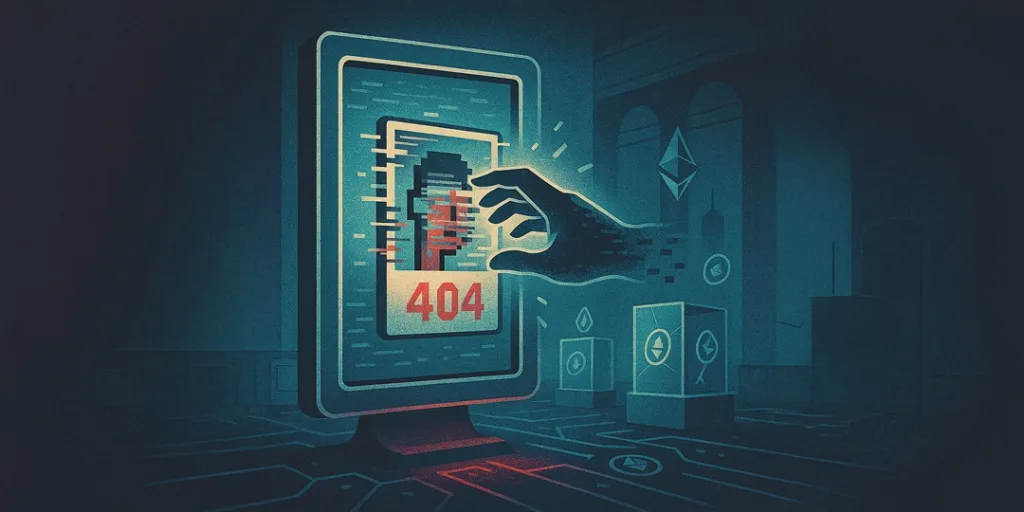

The crypto space, once hailed as a digital frontier of freedom and ownership, has become a ground for a new breed of art thief, one that doesn’t need to lift a brush or crack a safe. Instead, they crack passwords, compromise accounts, and vanish with NFTs and digital coins.
NFT scammers and hackers so far
Since NFTs entered the mainstream in 2021, the sector has been increasingly attractive to scams and exploitation. According to Coinlaw, global losses due to crypto-related fraud, including NFTs, soared to an estimated $5.9 billion by 2024, with DeFi and NFTs accounting for over half of that total. Chainanalysis reported that scammers have taken more than $2.1 billion in the first half of 2025 alone through a combination of phishing, fake minting pages, fake collections, and fake airdrops. Phishing is one of the fastest-growing threats, with phishing scam attempts rising by 68% in 2024, often following hacked social accounts or fake links disseminated by trusted community members.
A cybercriminal’s NFT heist playbook
One such figure, Cameron Albert Redmen, a 22-year-old Canadian cybercriminal, is now facing the consequences of this modern heist culture. According to BlockBeats, Redmen was recently sentenced to one year in prison on July 30. This made headlines for orchestrating a string of NFT scams that targeted investors and collectors across the globe.
Redmen’s method was surgical: hack high-profile digital artists’ X (formerly Twitter) accounts, then use their trusted online presence to push out malicious links. These links, disguised as raffles or NFT promotions, would lead unsuspecting followers into traps that emptied their wallets.
How to stay safe from NFT scams
Buying NFTs should feel like collecting art, not navigating a minefield. Here’s how to protect yourself:
- Double-check the source: Always verify that you’re on the official site or marketplace.
- Use hardware wallets: Don’t store valuable assets in easily compromised wallets.
- Be skeptical: Some offers are not as they seem
- Do your own research (DYOR): Investigate and find out if you should trust these sources
- Stay updated: Follow the latest crypto scams to make sure you don’t fall for any
If there’s one lesson to be learned from the Redmen case, it’s this: in the digital art world, trust is as valuable and fragile, as the tokens themselves.
The crypto space, once hailed as a digital frontier of freedom and ownership, has become a ground for a new breed of art thief, one that doesn’t need to lift a brush or crack a safe. Instead, they crack passwords, compromise accounts, and vanish with NFTs and digital coins.