

Something unusual just happened, and the market reacted exactly how you would expect, except not in the way most people understand. Oil jumped above $100 within minutes. Ethereum slipped. Altcoins followed. And while most headlines rushed to blame geopolitics, the real story is hiding underneath the surface.
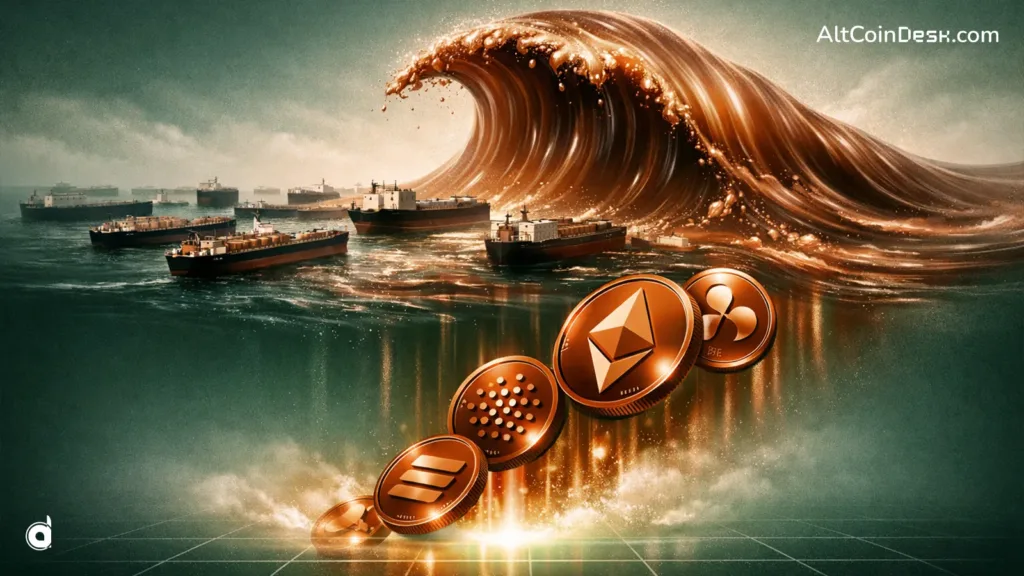
The Strait of Hormuz blockade did not just shake oil markets. It triggered a chain reaction that quietly moved liquidity, shifted expectations, and forced risk assets, including Ethereum and altcoins, into a temporary retreat.
This is not just another dip. This is a macro signal. And if you understand what is happening right now, you might be looking at the early stages of a much bigger setup.
The oil shock that repriced everything
Let’s start with the obvious trigger. The US blockade of the Strait of Hormuz, one of the most important oil chokepoints in the world, instantly changed supply expectations. Nearly one-fifth of global oil flows through that narrow passage. When that gets disrupted, markets do not wait for confirmation. They react.
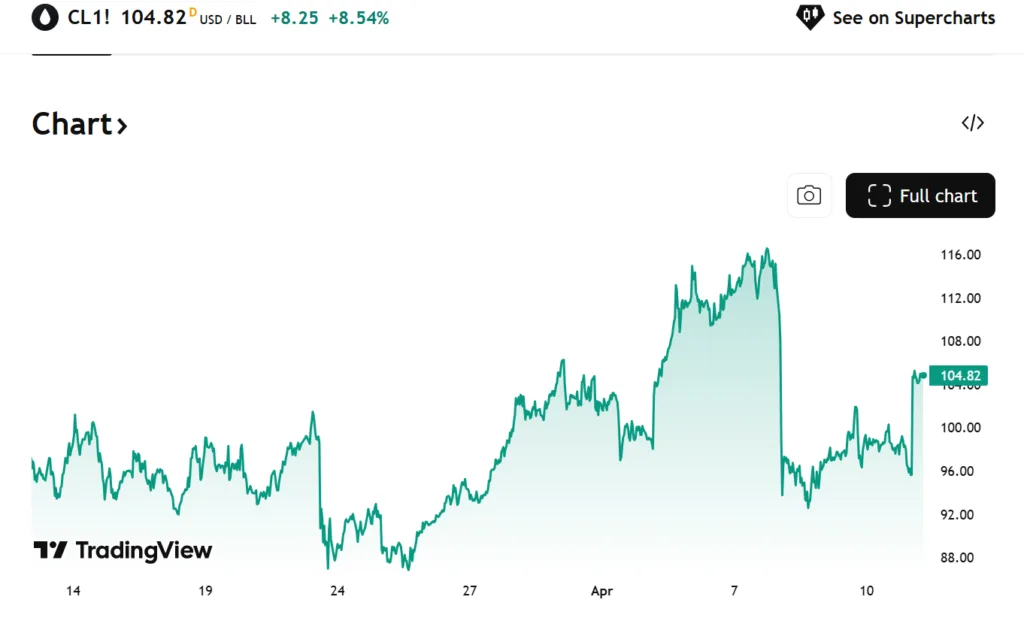
Oil surged aggressively, moving from the mid-$90 range to above $100 within hours, briefly touching around $105. That kind of move is not normal. It is panic pricing.
But here is where it gets interesting. Oil is not just an energy asset. It is a macro signal. When oil spikes like this, markets immediately start pricing in higher inflation. And when inflation expectations rise, everything downstream begins to shift.
Ethereum and altcoins were not reacting to oil itself. They were reacting to what oil implies. And what it implies is simple. Higher oil means higher inflation. Higher inflation means tighter monetary policy. And a tighter monetary policy means less liquidity flowing into risk assets. That is where crypto starts to feel the pressure.
Ethereum and altcoins didn’t fall; liquidity did
Now let’s address the part most people get wrong. Ethereum did not drop because of fear. Altcoins did not fall because of war headlines. They moved because liquidity expectations changed.
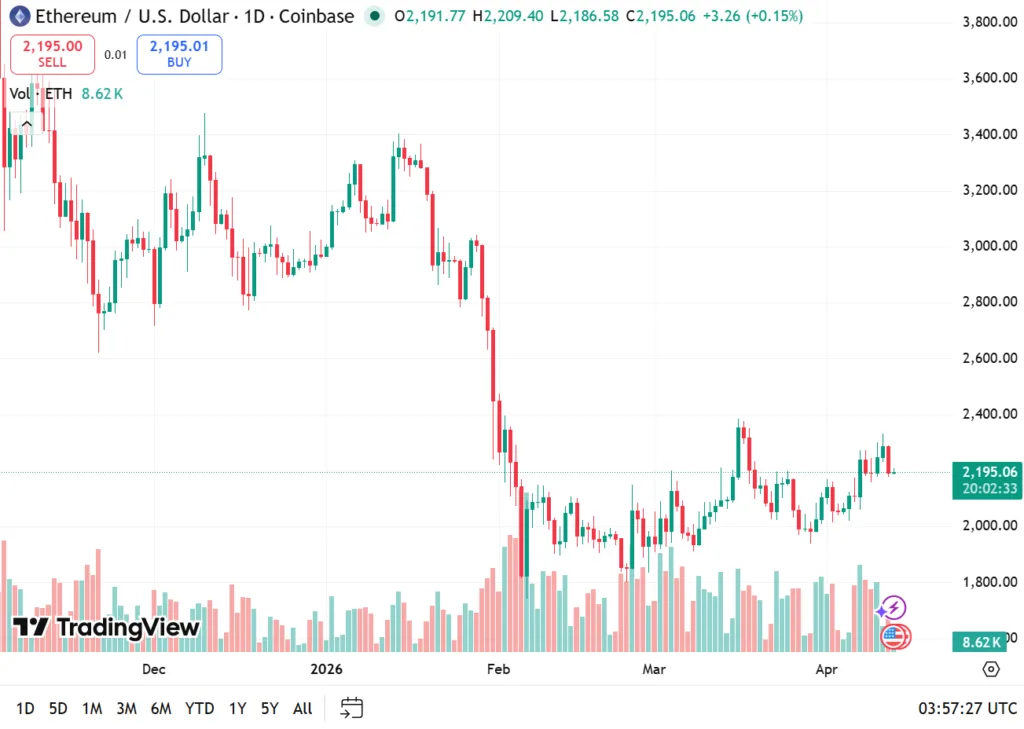
Ethereum slipped toward the $3,500–$3,700 zone, while altcoins across the board saw synchronized pullbacks. The reaction was sharp, but not catastrophic. That distinction matters. Because this was not a collapse, this was a recalibration.
When oil spikes, central banks are less likely to cut rates. In some cases, they may even delay easing entirely. That single expectation shift removes one of the biggest drivers of crypto rallies: cheap money.
Altcoins, in particular, are highly sensitive to liquidity conditions. They thrive when capital is flowing freely and struggle when that flow tightens. So what we saw was not weakness in Ethereum or altcoins themselves. It was a reflection of macro conditions tightening around them. And yet, despite all of this, crypto did not break down structurally. That is the detail you should not ignore.
Why Ethereum is holding better than expected
Here is where things get more nuanced and more interesting. In previous macro shocks, crypto tended to overreact. Sharp drops, cascading liquidations, and extended drawdowns were common.
This time, that did not happen. Ethereum held relatively stable compared to historical reactions. Altcoins corrected, but not in a disorderly way. The market absorbed the shock rather than collapsing under it.
There are three reasons for this:
- First, institutional participation has increased significantly. Large players are no longer reacting emotionally to headlines. They are positioning based on long-term expectations.
- Second, ETF-related flows and structured exposure have added a layer of stability. Even during volatility, there is an underlying demand that was not present in earlier cycles.
- Third, much of the geopolitical tension had already been priced in over the past few weeks. Oil had been climbing. Markets were aware of rising risks. The blockade acted as a trigger, not a surprise.
This combination created a different kind of reaction. Instead of panic selling, we saw controlled repositioning. And that changes how this entire move should be interpreted.
The hidden setup for altcoins
Now we get to the part traders should watch. Yes, Ethereum dipped. Yes, altcoins pulled back. But the structure of this move suggests something else entirely. This looks less like the beginning of a downturn and more like a pause before reallocation. Here is why.
If oil stabilizes or even slightly retraces, market expectations will shift again. Inflation fears would ease. Rate expectations would soften. Liquidity expectations would improve. And when liquidity expectations improve, crypto tends to move fast.
Altcoins, in particular, tend to react the most aggressively after macro clarity returns. They are not the first to drop, but they are often the fastest to rebound. Ethereum sits right in the middle of that dynamic. It acts as both a risk asset and a structural layer for the entire altcoin ecosystem. When Ethereum stabilizes, altcoins usually follow with amplified momentum. So while the current dip feels like weakness, it may actually be positioning. Positioning for what comes next.
What the latest signals are telling us
Recent official statements and market reactions reinforce this view. The US administration made it clear that the blockade was tied to unresolved tensions around Iran’s nuclear program. That signals potential duration, not just a one-day event.
Meanwhile, early market data shows oil volatility reaching levels not seen since early 2022. That level of volatility rarely sustains without either escalation or resolution. Crypto, interestingly, is sitting in between. It has reacted but not fully committed to a direction. That is usually where opportunity builds.
Where Ethereum and altcoins go from here
At this point, the market is watching three things:
- First, whether oil holds above $100 or starts to retrace.
- Second, whether inflation expectations continue rising or stabilize.
- Third, whether central bank expectations shift toward caution or easing.
Ethereum and altcoins will not move independently of these factors. They will respond to them. If oil continues climbing, expect more pressure on altcoins in the short term. If oil stabilizes, expect Ethereum to lead a recovery, with altcoins accelerating behind it. And if geopolitical tensions ease, the current dip could look like a brief interruption in a broader upward trend.
A perspective worth noting
This is where the narrative shifts. Most coverage will frame this as a simple reaction: oil up, crypto down. But that misses the real story. This is not about oil versus crypto. This is about liquidity cycles interacting with geopolitical shocks.
Ethereum and altcoins are not reacting to headlines. They are reacting to expectations about money, how much of it exists, where it flows, and how expensive it becomes. That is the game underneath everything. And right now, that game is shifting. Not collapsing. Not breaking. Just shifting.
To sum up
The Hormuz blockade triggered one of the fastest oil spikes in recent memory. That spike sent a clear message to markets: inflation risk is back on the table. Ethereum and altcoins responded exactly as they should by pulling back as liquidity expectations tightened.
But the reaction stopped short of structural damage. And that is the key takeaway. When markets absorb shocks instead of breaking under them, it usually means one thing. They are preparing for the next move.