

By 2026, crypto will no longer be short on narratives. What will be in short supply is clarity. Two forces will still dominate attention, capital, and conversation, but for very different reasons. Memecoins and AI tokens are often spoken about in the same breath, usually dismissed together as speculative excess. That framing misses the point.
These two asset classes survive for opposite reasons. Understanding that difference is how you stay ahead of the curve. This is not a story about which one “wins.” It is a story about why both exist, what they signal, and what they reveal about how people actually use crypto.
Memecoins are about emotion, not logic
Memecoins succeed because they feel human. They are fast, loud, and unapologetically unserious. A memecoin does not need a white paper or a roadmap. It needs timing. A joke that lands. A symbol that captures a mood. A community that wants to belong to something, even briefly.
By 2026, memecoins will still appear whenever the market turns risky. They will spike during moments of excess optimism, boredom, or rebellion. This is not an accident. Memecoins are cultural instruments. They turn collective feeling into financial action.
Most memecoins are not trying to change the world. They are reacting to it. That is why they spread quickly and fade just as fast. They thrive on attention, not endurance.
This is also why memecoins remain the easiest entry point for retail users. No technical knowledge is required. No belief in a long-term mission is necessary. You buy, you laugh, you participate. It feels closer to internet culture than finance. That ease is their power. It is also their limit.
AI tokens are about intention, not excitement
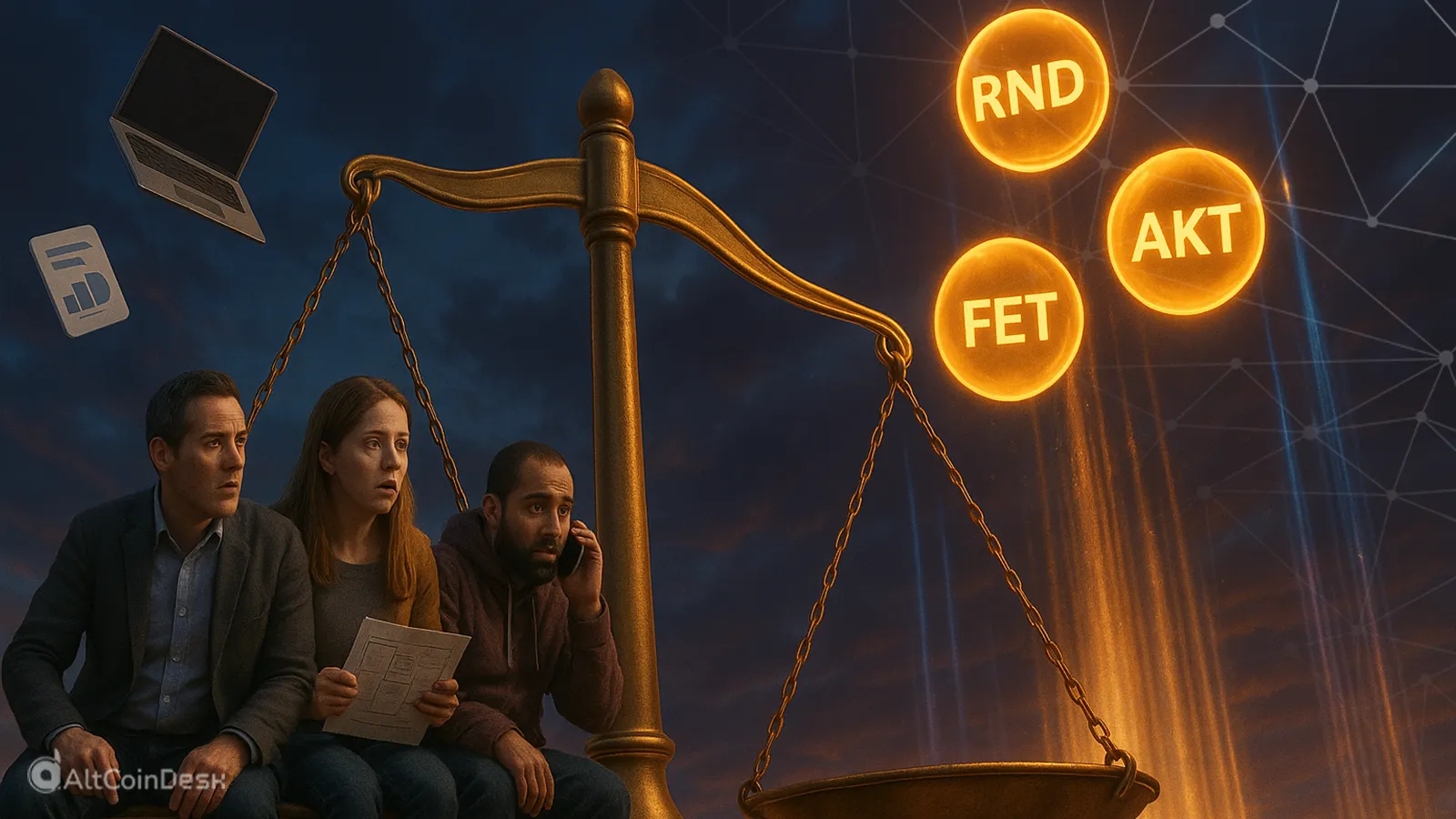
AI tokens work in the opposite direction. Their appeal is not emotional. It is functional. AI tokens promise coordination, automation, and efficiency. They aim to pay machines, not entertain people. Their stories are not jokes or protests. They are use cases.
By 2026, the AI token narrative will revolve around autonomous agents performing tasks, AI services paid for on-chain, and decentralized markets for data, compute, and inference. These are not ideas that go viral on social media. They are ideas that quietly become necessary.
AI tokens do not move fast because they are not meant to. They move deliberately. Adoption comes through use, not hype. People trust them slowly, often without realizing they are doing so.
In many cases, users will interact with AI-driven crypto products without caring about the token at all. The token exists in the background, coordinating access and payment. That kind of adoption does not spike. It compounds.
Retail adoption looks very different for each
Memecoins will continue to dominate retail entry into crypto. They are accessible, entertaining, and low commitment. Small amounts feel meaningful. Communities form overnight. Participation is immediate.
But this adoption is wide, not deep. Many holders arrive for a moment and leave just as quickly. Loyalty is emotional, not structural. When the narrative shifts, the crowd moves on.
AI tokens, on the other hand, will struggle to attract retail attention early. Their adoption will look slower and less exciting. But it will be stickier. People will use AI products first and discover the token later, often reluctantly.
This kind of adoption builds dependence rather than excitement. Users return because the tool works, not because the token is trending.
Longevity separates cycles from systems
Memecoins are cyclical by design. Most will not survive extended periods of low attention. That is not a failure. It is their function. They absorb excess liquidity, reflect sentiment, and burn out. A few legacy memes will reappear each cycle, but most will be replaced by new ones.
Memecoins do not age gracefully. They reset. AI tokens are built for endurance.
If they survive into 2026 and beyond, it will be because they are embedded in systems people rely on. They coordinate machines, not moods. They create value by being necessary, not entertaining. When AI tokens succeed, they disappear from the conversation. They are simply there, quietly running processes behind the scenes.
The mistake most people keep making
The biggest mistake is treating memecoins and AI tokens as competitors. They are not.
- Memecoins answer one question: how does culture move money?
- AI tokens answer a different one: how does automation move work?
One reflects emotion. The other reflects intention. One thrives on attention. The other thrives on silence.
By 2026, both will exist side by side. Memecoins will continue to act as liquidity signals and social experiments. AI tokens will quietly become infrastructure for digital labor and coordination.
Trying to judge one by the standards of the other leads to confusion. Expecting memecoins to deliver long-term utility misses their purpose. Expecting AI tokens to go viral misunderstands their role.
The future is not either or
In 2026, memecoins will still surprise people. AI tokens will still frustrate them. Both will still be misunderstood. But the future of crypto does not belong exclusively to jokes or machines. It belongs to the tension between them. Culture will always need an outlet. Systems will always need coordination.
Memecoins and AI tokens are not opposing forces. They are different expressions of the same experiment: how humans and machines organize value in a digital world. Those who understand that will not just follow the next cycle. They will see it coming.