

Privacy is not simply an English word with the meaning: “a state in which one is not observed or disturbed by other people”. The term is beyond what it means. It is something that we own and owe or value. But, it has also become something that we sell, often without knowing the impacts. Yes, we sell our privacy to AI tools like ChatGPT, and the reason is very well-known.
AI tools have become our life partner. We rely on it for silly and important queries. There would be no rejection against this sad reality. However, one needs to be extra careful when providing input to ChatGPT, Deepseek, Gemini, and other AI tools. Why? Your privacy matters a lot! Whatever you feed them could be used against you one day! This is not a statement from any ordinary person, but from the co-founder of OpenAI, the company behind ChatGPT, Sam Altman.
What does Sam Altman say about privacy?
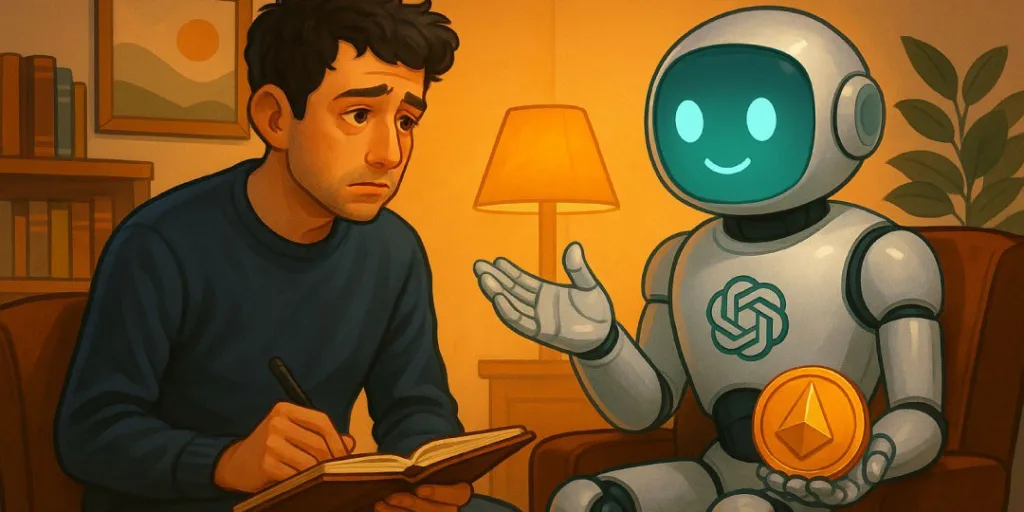
Imagine a co-founder of a company warning users about his own company! The situation has reached a level where people have become completely unaware of how deeply they cling to ChatGPT. Sam Altman criticizes users who consider the AI tool as their therapist or legal advocate.
“Young people, especially, use it as a therapist, a life coach, asking, ‘What should I do?’”
Altman underscored the fact that AI lacks a legal policy framework, speaking in a podcast: “That’s one of the reasons I get scared sometimes to use certain AI stuff because I don’t know how much personal information I want to put in, because I don’t know who’s going to have it.”
Does ChatGPT compromise your privacy?
Asking your doubts and queries, having a discussion, requesting images, and so much more. We ask a lot of questions and clear doubts using ChatGPT, and that’s quite fine. What is not advisable is to share your data and other sensitive information. Have you ever considered the developers who sit on the other end, with access to monitor your chat? That’s it! Be cautious that AI tools cannot ensure complete privacy over your content, and therefore, refrain from sharing sensitive data.
Have you ever tried asking ChatGPT if it compromises your privacy?
If you try asking the AI tool how well it protects user privacy, it shows the answer that it does not sell user data; however, one important line reads like this: “Never share things like passwords, personal IDs, or confidential data,” and “Even though your data is protected, it’s safest not to input anything you’d regret being stored.” These two statements are enough to tell the whole message of this content: it is not safe to share sensitive information!
Since the advent of digital technology, we have been hearing about privacy issues concerning data protection. We have also witnessed situations where AI tools breach privacy and pin lessons learned from them, put them in a corner of a room, and then bye! We again start sharing sensitive information until we welcome new troubles. And, this is the reason why experts and even AI developers frequently advise users to be cautious and aware of privacy threats. A day in your life without ChatGPT is bearable! Crossing the limits of AI use is unbearable!