

The Securities and Exchange Commission’s (SEC) digital asset classification has been a major concern for several firms in the industry. Remember the previous SEC vs. Ripple battle over whether XRP is a security? Since then, as a more crypto-supportive regime has started ruling the US, things have changed. The agency has started loosening the regulatory screws.
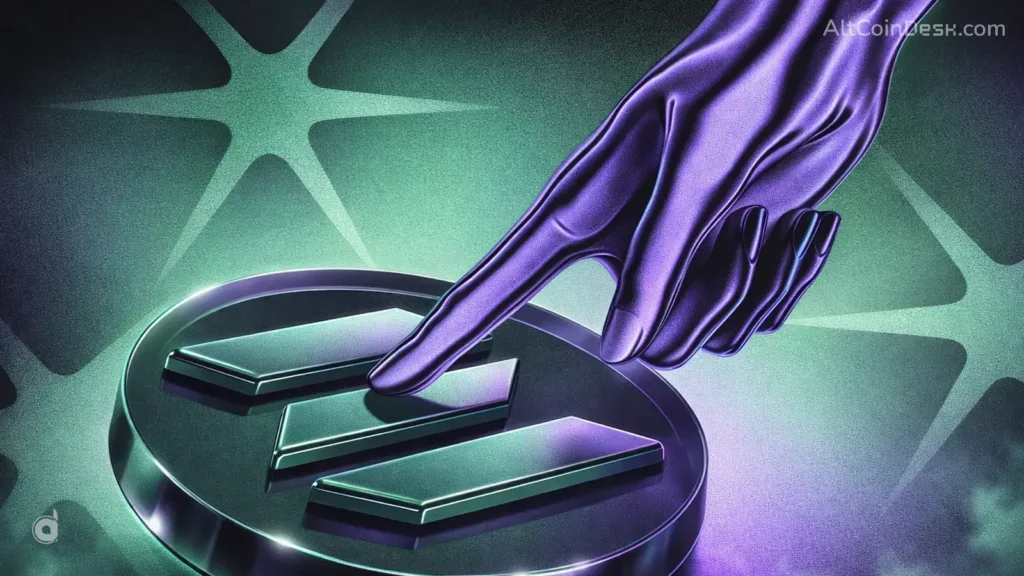
Now, the SEC has granted digital commodity status to Solana’s SOL token, allowing it to behave like a tradable asset rather than an investment contract tied to a company. In other words, Solana is no longer a security.
SEC’s new crypto asset classification framework benefits Solana
On March 17, the commission announced a new crypto asset classification framework, stating an important clarification: most crypto assets are not essentially securities. The SEC coordinated with the CFTC (Commodity Futures Trading Commission) to launch a crystal clear classification for crypto assets that would help everyone follow the same rules.
Now, coming to the case of Solana, the token was credited with digital commodity status under this news framework. This makes Solana join other assets such as Bitcoin, Ethereum, and 14 other digital commodities recognized under the agency’s crypto asset taxonomy.
Apart from Solana, Cardano (ADA), a major smart contract ecosystem, has also acquired the digital commodity status from the SEC.
How would Solana’s digital commodity status benefit it?
As Solana has stepped out of the securities shadow, it overcomes one of the biggest hurdles holding it back. Being in a state of security means that an asset has to comply with very strict compliance rules. This would withdraw the attention of major institutions looking to invest in SOL.
In short, institutions, including banks, asset managers, and hedge funds, can easily adopt Solana and other assets classified as commodities due to their easy compliance rules.
Moreover, staying as a commodity means facing less legal exposure and risk of being targeted. And, investors do not have to worry about regulatory overhang.
Another benefit includes that exchanges can more easily list Solana and make it available for traders, improving global liquidity and accessibility. What’s more, exchange-traded funds (ETFs) will likely flock to SOL as they do not have to worry about a regulatory overhaul.
A crypto enthusiast clearly captured the ETF energy perfectly: “By being treated as a commodity, SOL enters the same regulatory clarity as BTC/ETH. Do you see ETFs and funds now expanding their mandates to include Solana?”
SEC’s Paul Atkins pinpoints four non-security crypto categories
In a formal speech, Paul Atkins, the Chairman of the SEC, explained that based on legal analysis and feedback from the public, the regulators have found four groups of digital assets that are not considered securities. And here are they: digital commodities, digital collectibles, digital tools, and payment stablecoins under the GENIUS Act.
This landmark announcement has helped Solana achieve the commodity badge from the SEC.