


When the US sanctions make headlines, it is usually about oil, politics, or missiles. This time, it is about crypto. The United States Treasury just moved against North Korean bankers and companies accused of laundering billions in stolen digital assets. Washington says those funds help fuel North Korea’s nuclear weapons program.
In simple terms, North Korean hackers have been quietly robbing the digital world. Over the past three years, they stole more than three billion dollars in cryptocurrency, using fake tech jobs, malware, and hidden corporate networks running through China, Russia, and other locations. The US Treasury’s Office of Foreign Assets Control has now put its foot down and said enough is enough.
The digital robbery economy
This is not random cybercrime. It is a state-driven money pipeline designed to support weapons programs. Two North Korean bankers, Jang Kuk Chol and Ho Jong Son, were named as major players. They handled roughly five point three million dollars in cryptocurrency linked to First Credit Bank, a financial institution already blacklisted in the United States.
The stolen funds were tied to ransomware operations that hit American victims and then traveled through complex crypto chains to hide the trail. The mission was simple. Launder the crypto, disguise the origin, and move it into government-controlled accounts.
Inside the fake freelance network
Another major piece of this puzzle involves North Korea’s hidden army of so-called freelance developers. Thousands of highly skilled tech workers operate under false identities and apply for remote software roles around the world. They write code, build platforms, perform cybersecurity work, and then secretly wire their earnings back home.
Sometimes they even partner with foreign freelancers who have no idea they are working alongside North Korean operatives. These digital side hustles pump hundreds of millions of dollars per year back to Pyongyang.
A global web of front companies
Two North Korean firms were also sanctioned. Korea Mangyongdae Computer Technology Company and Ryujong Credit Bank. Both helped move money between Asia and North Korea. Their networks used shell companies, banking intermediaries, and fake paperwork to stay hidden inside the global financial system.
The new sanctions freeze any US-connected assets and warn foreign banks and crypto platforms that dealing with these entities could result in financial penalties. In other words, the United States just extended its reach deep into the digital underground.
A message to the crypto industry
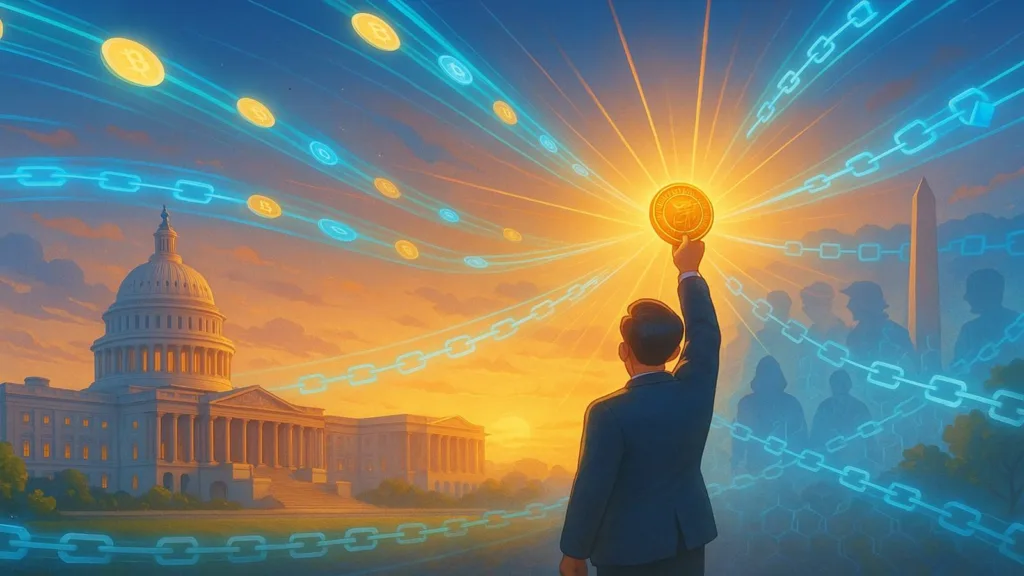
This moment is bigger than one country. The US sanctions send a clear signal to the crypto world. The era when stolen coins could move quietly across borders is ending. Blockchain may feel anonymous, but it is traceable. Regulators have stepped into the arena with advanced tracking tools and global cooperation.
For honest innovators, builders, and traders, this is a call to tighten compliance. Crypto is becoming part of national security. Transparency and vigilance are no longer optional.
A new kind of battlefield
This latest round of US sanctions does not target tanks or ships. It targets laptops, wallets, and code. It recognizes that modern conflict is not only physical. It is digital. A North Korean hacker may never touch American soil, but their malware has already crossed into US systems and funded weapons that threaten global peace.
We are watching a new kind of geopolitical frontier emerge. In that world, crypto keys are as powerful as missiles, and cybersecurity is national defense.
In the end, this decision is not just about punishment. It is about drawing a line. If you help a hostile state move stolen crypto, your time in the shadows is running out.