

Stepping into the world of cryptocurrency? Digital wallet security is one of the most important aspects of storing and securing your crypto. For newcomers, though, wallet security isn’t always as intuitive as you might hope.
Are digital wallets safe?
Digital wallets are designed to keep your crypto safe, but like any tool, their security depends on how you use them. Choosing the right wallet and taking basic precautions can go a long way in protecting your assets. Small errors at the start can leave your funds exposed or, worse, result in complete loss. To help you get started on the right foot, here are seven critical mistakes to avoid when creating your first digital wallet.
Not backing up your seed phrase

Treat your seed phrase as the crown jewels of your digital assets; if you misplace it, your access is gone for good. There’s no backup plan here. The most secure approach is to jot it down on actual paper and store it in a place you’d trust with your most important documents. Don’t get tempted to keep it on your phone, laptop, or any cloud service—those are far too vulnerable to hacks, breaches, or careless deletion.
Using weak or reused passwords
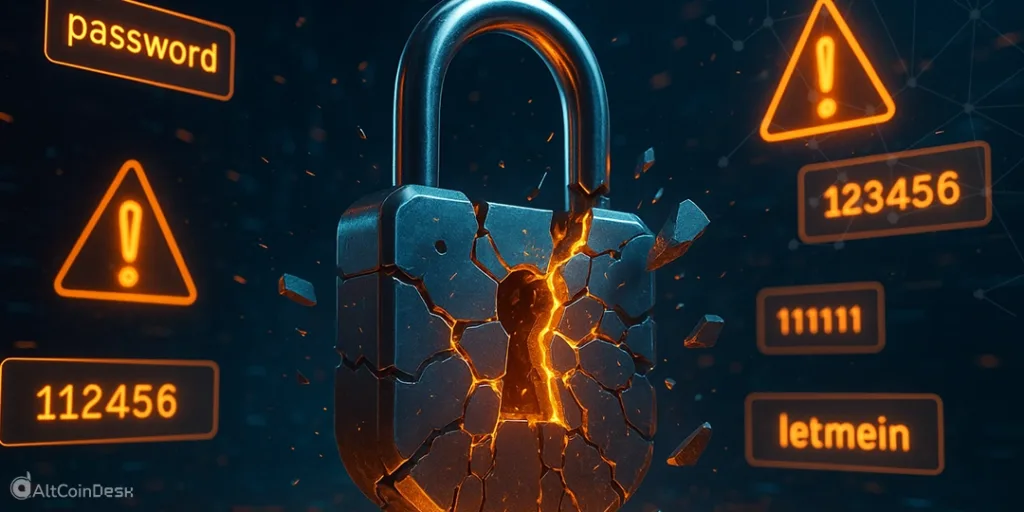
On the password front, don’t underestimate that extra layer of security your wallet offers. It only works if you avoid the usual pitfalls. Think up a strong, unique password and keep it exclusive to your wallet. It’s a minor inconvenience compared to the headache of trying to recover stolen funds.
Storing wallets on public devices

Never manage your wallets on public or shared devices. Those machines can be riddled with malware, spyware, and it’s a risk that isn’t worth taking. Always use your own trusted hardware when accessing sensitive accounts—treat it with the same care as you would any core piece of your business infrastructure.
Ignoring two-factor authentication (2FA)
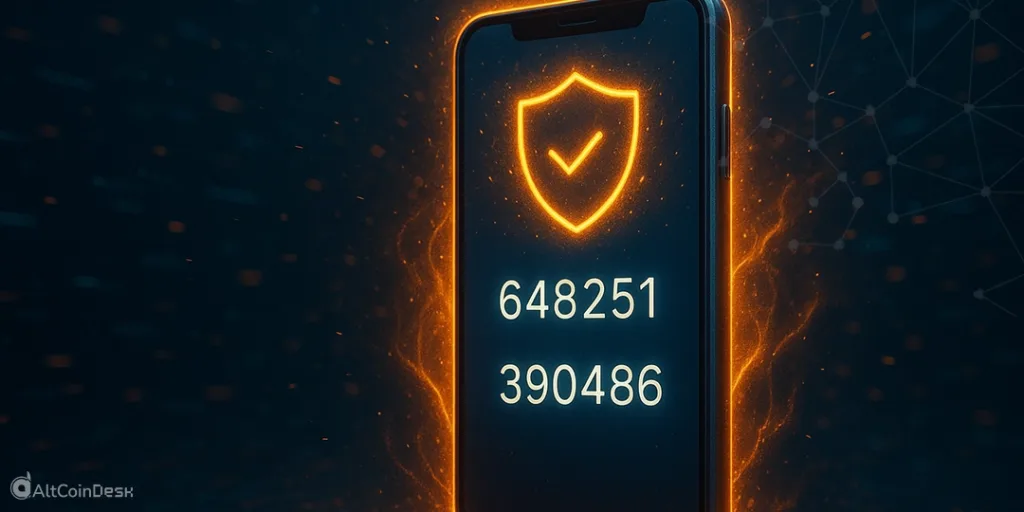
If your wallet or exchange platform supports two-factor authentication, enable it right away. Leaving it off is like handing the keys to your front door directly to cybercriminals. Yes, it’s one extra step and can be annoying, but it could very well be what protects your assets in the end.
Downloading wallets from unverified sources
When it comes to downloading wallets, there’s no room for shortcuts or guesswork. Scammers are relentless—and fake wallet apps or spoof websites are everywhere. Always download from the official website or a recognized app store. Double-check every link before you click. That small act of diligence can keep significant problems at bay.
Mixing hot and cold storage incorrectly
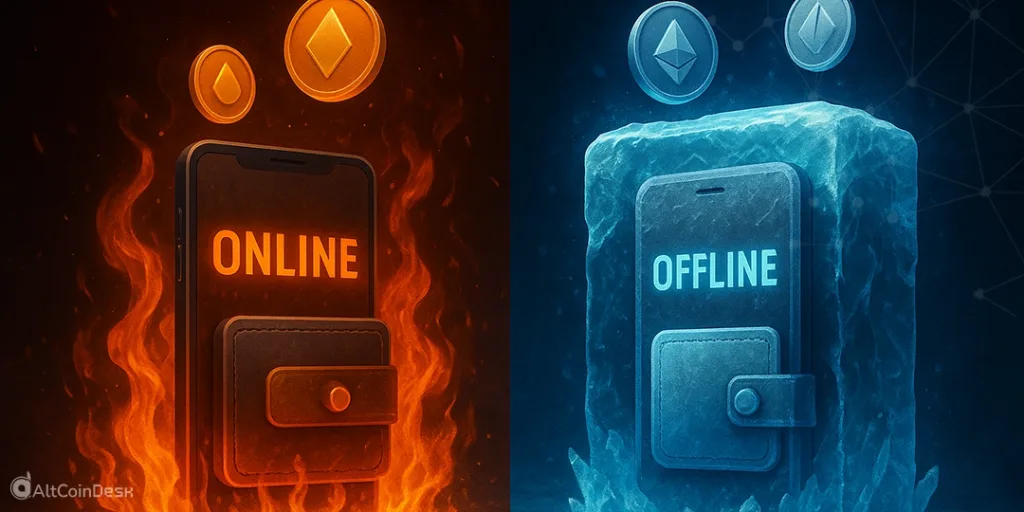
Let’s talk about hot and cold wallets. Hot wallets are convenient since they’re always online, but that makes them a bigger target for attacks. Cold wallets, which stay offline, are a far more secure choice for storing assets you don’t need to access immediately. It’s a serious misstep to keep all your funds in a hot wallet just for convenience. For real asset protection, store only what you use day-to-day in a hot wallet, and move the bulk to cold storage.
Overlooking software updates
Don’t ignore wallet software updates, either. They’re not just routine—they exist to strengthen security, fix vulnerabilities, and keep hackers at arm’s length. Overlooking updates is a risk you can’t afford. Staying current is one of the most effective ways to protect your crypto assets—make it a non-negotiable part of your routine.
Most of these mistakes are about the security of your money, as hackers in the Web3 space are relentless and invest new ways every day to hack and steal money. The most important part of your wallet is the protection and safety. Even if you stack millions on those memecoins, there is no point if an intruder can take it at any second. Be sure to follow these tips carefully and always conduct your own research.