

What is so different between crypto investing and trading? Aren’t they the same thing? Well, let’s find out!
You are at a family barbecue. Your cousin Vinny is glued to his phone, sweating through his shirt, shouting something about “resistance levels” and “a breakout that looks spicy.” Across the table, your uncle Bob is calmly eating a burger. He bought Bitcoin five years ago, forgot his password for two of those years, and just casually mentioned he is “probably up a bit.”
Same market. Same asset. Two completely different human experiences.
Welcome to the most misunderstood split in all of finance. A split that has caused more sleepless nights, broken relationships with refresh buttons, and questionable life decisions than any other topic in modern money.
Let me tell you a story about two people who live inside every crypto wallet. And only one of them gets to drive.
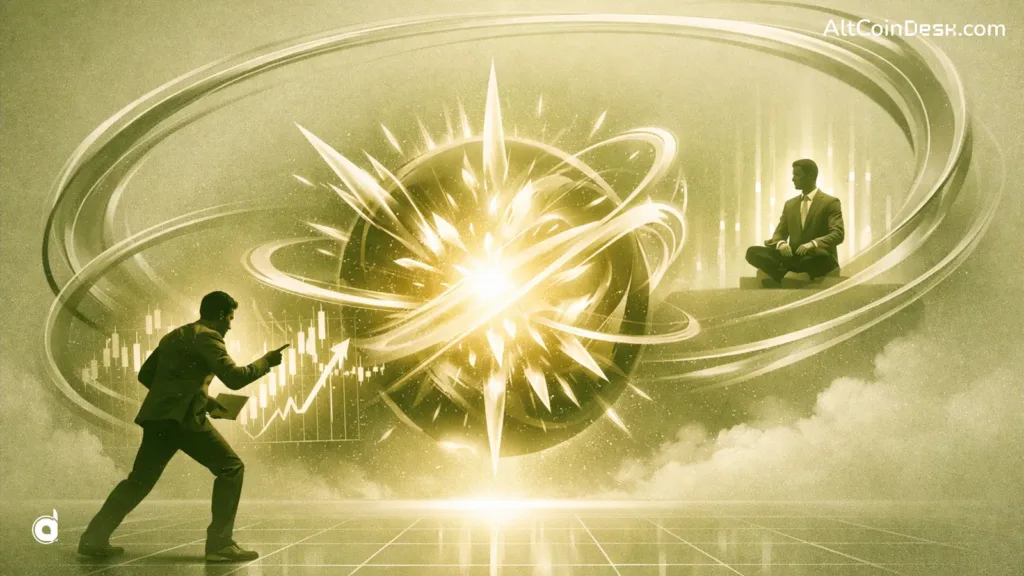
The speed freak who thinks sleep is optional
Meet the trader. The trader wakes up at 3 AM because they heard a rumor on a Discord server. They check prices like other people check the weather. Constantly. Obsessively. With a sense of personal betrayal if things look different from five minutes ago.
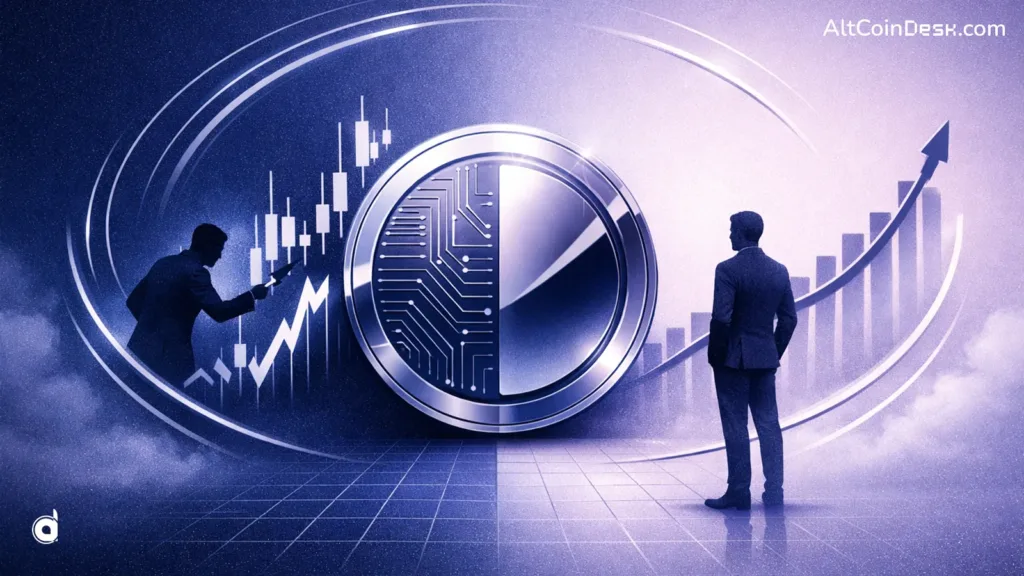
Here is what crypto trading actually means. It is the art of trying to profit from price moves over very short periods. We are talking minutes, hours, days, or maybe a week if someone is feeling unusually patient. The trader does not care if this blockchain will still exist in ten years. They care if it will go up before lunch.
Their favorite question is not “Will this change the world?” It is “What is the price likely to do next?”
And here is where it gets wild. The crypto trading world today is absolutely dominated by something called perpetual futures. These are essentially bets on price direction using borrowed money. In 2025, these instruments made up nearly seventy% of all Bitcoin trading volume. That is not a small side activity. That is the main event.
Traders live on leverage. Borrowed money. Amplified risk. Magnified emotions. It means they can win big in thirty seconds or lose everything before they finish their coffee.
Vinny at the barbecue? He is probably trading. And he has not truly relaxed since 2021.
The patient turtle who forgot where they left their keys
Now meet the investor. The investor also checks prices. But differently. They might look once a week. Or once a month. Or, in the case of that one legend who bought Ethereum in 2016 and went hiking for three years, once a decade.
Here is what crypto investing actually means. It is buying digital assets because you believe their value or usefulness will grow over the years. Not days. Years. Maybe even a decade. You hold on through the noise. You ignore the panic. You do not sell just because some influencer on social media says the sky is falling.
The investor asks a completely different question. Not “What will price do next?” But “What will this network or asset be worth later based on real adoption and genuine usefulness?”
This person researches tokenomics, developer activity, real-world applications, and whether a project solves an actual problem or just looks cool on a website. They are playing a game measured in years, not minutes.
Uncle Bob at the barbecue? He is an investor. He bought. He held. He forgot his password. And somehow, that forgetfulness might be his greatest trading strategy.
The dinner party where everything gets confusing
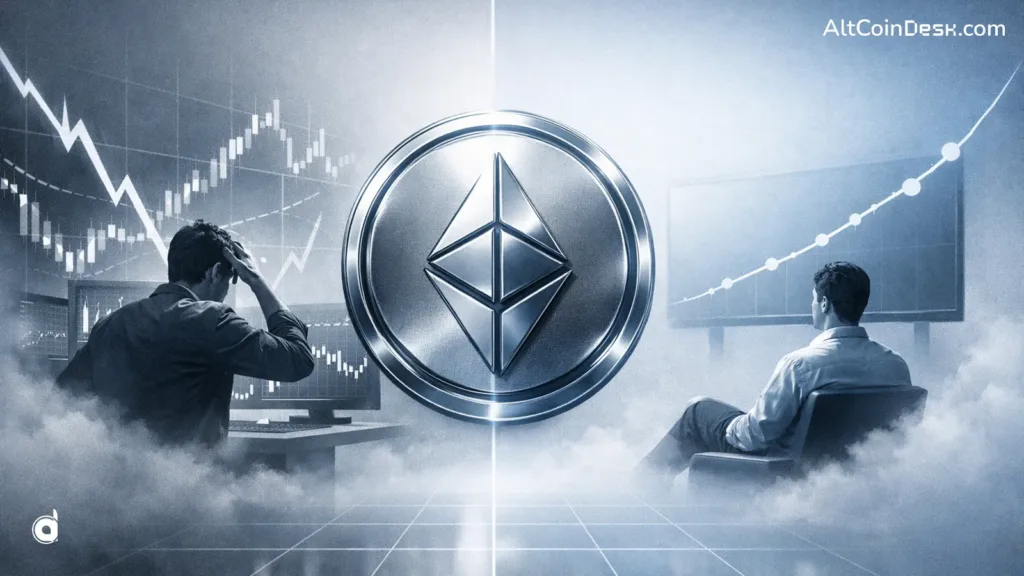
Now imagine these two people sit down to talk. Vinny says, “You are missing so many opportunities by just sitting there.” Bob says, “You are going to have a heart attack before you turn forty.”
Both are right. Both are wrong. And this is where most people get into trouble. Because here is the secret that nobody tells you. Crypto trading and crypto investing can overlap. You can do some of both. But they are not the same game. Not even close.
One is like trying to catch every single wave in the ocean. The other is like buying a beach because you think more people will eventually want to visit.
The single biggest difference comes down to one question.
Are you asking what price will be done next? Or are you asking what this asset will be worth later?
That one question changes everything. Your entry timing. Your research style. Your risk level. Your emotional pressure. How often do you touch your portfolio? Even your fees. Everything.
A very short history of two very different paths
Let me take you back to 2009. Bitcoin launches. Nobody notices except a handful of computer people and maybe someone’s very confused dad.
Then comes May 22, 2010. A famous day. Someone buys two pizzas for ten thousand Bitcoin. Today, those pizzas would be worth hundreds of millions of dollars. That person probably does not like to talk about it.
Soon after, exchanges appear. Suddenly, you can trade Bitcoin easily. This is where crypto trading is born. Fast. Furious. Full of people making and losing fortunes before breakfast.
Then 2015 arrives. Ethereum launches. Now, crypto is not just digital money. It is programmable. You can build applications, smart contracts, and whole new worlds on top of it. This expands what crypto investing can mean. Now you are not just betting on digital gold. You are betting on entire ecosystems and future infrastructure.
Then, 2017 brought regulated Bitcoin futures. Big institutions start paying attention. The trading game gets more professional.
Then 2024. The SEC approves spot Bitcoin ETFs. Now regular people can invest through their normal brokerage accounts. The investing game gets easier for everyone.
Two paths. Same origin. Completely different destinations.
The brutal reality check nobody wants to discuss
Crypto trading tends to be psychologically brutal. You are exposed to constant noise. Instant feedback. Wins and losses that happen faster than you can process. Your phone buzzes at 2 AM with a price alert. You make a decision while half asleep. You regret it by sunrise.
There is a reason studies from regular markets show that frequent trading often hurts performance for individual people. Not because they are stupid. Because emotions are powerful, and markets do not care about your feelings.
Crypto investing is emotionally hard in a different way. You need patience during deep drawdowns. You watch your portfolio drop 40%, and you have to sit on your hands. You resist the urge to do something dramatic and regrettable at 3 AM when everything looks terrible. Both are risky. The risks just look different.
Trading risks include liquidation, leverage blowing up, and making one bad bet that wipes out twenty good ones. Investing risks include being wrong about the long-term thesis, holding something that never gets adopted, or watching newer, better technology make your investment irrelevant.
Neither path is easy. Anyone who tells you otherwise is probably trying to sell you something.
The costs that eat you alive
Every time you trade, you pay. Spreads. Commissions. Funding costs. Slippage. These tiny cuts add up faster than you think. Trade often enough, and you are basically working for the exchange while telling yourself you are an active investor.
Investors generally trade less. So they pay less in transaction costs. But they might pay custody fees or management fees if they use funds. Still, over time, doing less usually costs less. More decisions mean more room for mistakes, overconfidence, and fees that silently eat your returns. It is not exciting to hear. But it is true.
Where is this all headed next?
The future is making this split more important, not less. On the trading side, markets are becoming more professional. More institutions. Better tools. More competition. The days of easy trading money are fading. You are now competing against people with faster computers, better data, and teams of researchers.
On the investing side, the story is getting bigger. Stablecoins are now a $300 billion market. Major firms like BlackRock are talking about tokenization as the future of finance. Big banks are building blockchain infrastructure. The question is no longer if crypto will survive, but how deeply it will integrate into ordinary financial systems.
The future may reward patient investors who can identify durable networks and real utility. It may make life harder for undisciplined short-term traders who chase every move. That is not a promise. That is just reading the direction of the wind.
Crypto investing vs trading: So who actually wins this quiet war?
Here is the twist you did not see coming. Nobody wins. And everybody wins. Because the market needs both. Traders provide liquidity. They make markets move. They create opportunities. Investors provide stability. They hold through volatility. They give assets long-term value.
Without traders, markets would be slow and boring. Without investors, markets would have no foundation and would blow away in the first storm. But for you personally, the question is different. It is not about which strategy is better in some abstract sense. It is about which one fits who you actually are.
Do you enjoy fast decisions, constant engagement, and active risk management? Trading might be your game. Do you prefer deep research, long-term thinking, and the ability to ignore noise for months at a time? Investing might feel more natural.
The only real mistake is pretending to be one while acting like the other. Do not say you are investing while panic-selling every dip like a day trader. Do not say you are trading while holding losing positions for months because you cannot admit you were wrong. The market notices. And the market does not care about your excuses.
The last word before you go back to your life
Here is what you should remember. Crypto trading is about short-term opportunities. Watching candles. Trying to win the next move. Living in the now.
Crypto investing is about long-term conviction. Watching adoption. Trying to survive long enough to benefit from the bigger story. Living in the future.
Both are valid. Both are hard. Both have made people wealthy, and both have made people miserable.
The real question is not which one is better. The real question is which one you can actually handle without losing your mind, emptying your wallet, or becoming insufferable at dinner parties.
Because at the end of the day, the quiet war inside your crypto wallet is really just a conversation between your impatient self and your patient self. And only you get to decide who wins.
Now go enjoy your barbecue. And maybe put your phone down for a bit. Those candles will still be there when you get back.