

What is crypto mining? How do mining rigs work? Why do people invest in them? What does the future look like?
Ask ten people what crypto mining is, and you will probably hear ten different answers. One person will say it is how Bitcoin is created. Another will say it is just computers solving math. Someone else will call it a waste of electricity. None of those answers is fully wrong, but none of them really tells the whole story either.
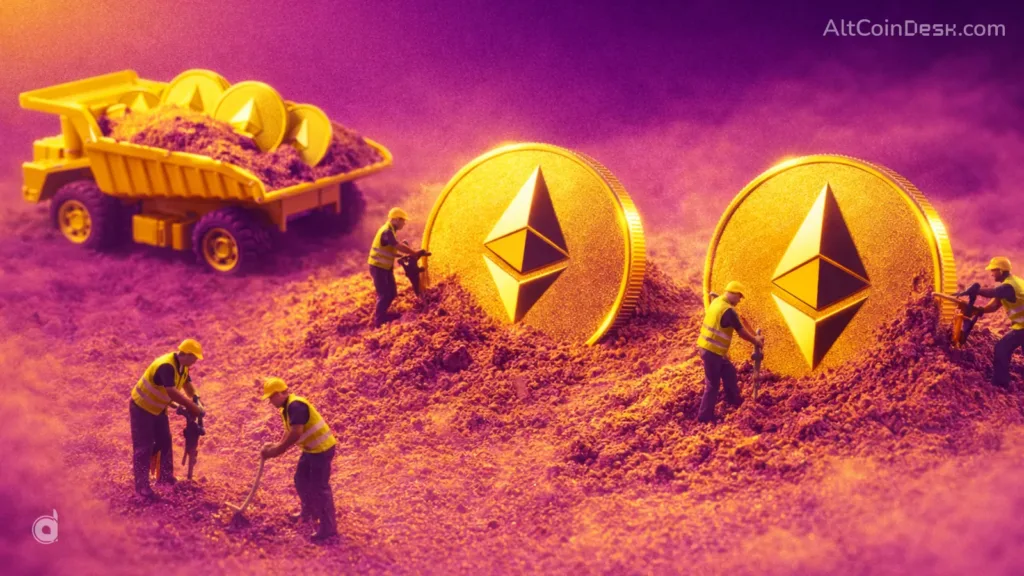
Crypto mining is the system that keeps certain blockchains alive. It is how transactions are verified, how new coins enter circulation, and how the network protects itself from manipulation. It is not glamorous. It is not passive income in the easy sense; people love to sell online. And it is definitely not a magical box that prints money while you sleep.
At its core, crypto mining is a competition. Thousands of machines around the world are racing to solve a problem. The machine that gets there first earns the right to add a new block of transactions to the blockchain and collect the reward. That reward usually comes in two parts: newly issued coins and transaction fees paid by users.
That is the clean version. The messy version is where things get interesting, because mining today is no longer just a hobby for tech geeks with spare bedrooms and loud fans. In many cases, it is an industrial business tied to electricity markets, machine efficiency, regulation, and brutal competition.
So what is crypto mining, really?
The easiest way to understand crypto mining is to think of it as the work that makes a proof-of-work blockchain function.
When people send Bitcoin or other mineable cryptocurrencies, those transactions need to be checked and recorded. Mining causes that to happen. Miners collect transactions that need to be processed, put them into a block, and then race to solve a cryptographic puzzle. The miner who figures it out first wins the round.
The rest of the network can quickly check the solution once it is found. The miner gets paid, and the block is added to the chain if everything looks good. That payment is what keeps the whole system going.
So when people ask, “How does crypto mining work?” the honest answer is this: mining is the security engine, accounting system, and coin distribution method of a proof-of-work network all at once.
How does crypto mining work?
Forget the heavy jargon for a second. Imagine a giant worldwide game where miners are all trying random combinations at incredible speed until one combination fits the network’s rules. That is basically what is happening.
Here is the simple flow. A person sends cryptocurrency to another person. The transfer goes through the network and joins a line with other transactions that are already there. Miners collect groups of these pending transfers and try to put them together in a way that will make them the next confirmed block on the blockchain. This constant guesswork happens at ridiculous speed, with machines making trillions of attempts each second around the clock.
Eventually, one miner stumbles on the right answer by chance. Everyone else on the network reviews it, confirms it is valid, and adds the block to the chain officially. Then everything starts over from the top.
With Bitcoin, a new block is created roughly every ten minutes. That pace is deliberate. The system keeps tweaking how hard the puzzle is, so blocks are not produced too quickly or too slowly. This built-in adjustment is known as mining difficulty, and it plays an important role.
What is mining difficulty?
Mining difficulty is exactly what it sounds like. It is the measure of how hard it is to mine a new block. If lots of new miners join the network and total computing power rises, the network makes the puzzle harder. If miners leave and total power drops, the network can make it easier. The goal is to keep block production steady.
Bitcoin, for example, adjusts difficulty roughly every two weeks. That way, even if the amount of mining power changes, the network still aims for an average block time of about ten minutes.
This matters because difficulty can quietly wreck profitability. A miner might be doing everything right, but if difficulty rises sharply, that same machine may earn less than it did a month earlier. Same hardware. Same power bill. Smaller reward. That is one of the reasons mining is far less predictable than newcomers think.
What are crypto mining rigs?
A crypto mining rig is simply the equipment used to mine. That can mean a single machine or a full setup with power supply, cooling, network connection, software, and sometimes racks full of hardware. The word “rig” sounds dramatic, but it really just means mining hardware assembled for the job.
There are a few common types of mining rigs:
- The first is the CPU rig. This uses a regular processor, the kind found in normal computers. CPU mining still exists, especially on coins designed to resist specialized hardware, but it is no longer the star of the show for major networks.
- The second is the GPU rig. This uses graphics cards, the same type of cards people use for gaming or design work. GPU rigs became famous during the big Ethereum mining years because they were powerful, flexible, and easy for hobbyists to build. Even now, some cryptocurrencies are still mined with GPUs.
- The third is the ASIC rig. This is where things become serious. ASIC stands for application-specific integrated circuit. In plain terms, it is a machine built to do one thing only, and do it extremely well. For Bitcoin mining, ASICs dominate. You are not competing with a home laptop anymore. You are competing with purpose-built machines running in warehouses.
That is why people asking whether they can mine Bitcoin on a regular computer are usually about ten years too late.
How do mining rigs actually work?
A mining rig takes instructions from mining software, receives a block template, and starts hashing as fast as it can. Hashing is just the repeated process of running data through a cryptographic function to produce outputs. The machine keeps trying new variations, over and over, until one result falls below the network’s target.
If the rig is part of a mining pool, it sends proof of its work back to the pool. The pool coordinates the efforts of many miners and shares rewards based on contribution. This is how most people mine today, because solo mining has become too difficult for small operators on major networks like Bitcoin.
The rig also has to manage heat, power, and uptime. This is where the glamorous dream of mining usually crashes into reality. These machines are loud. They get hot. They need reliable electricity. They need cooling. And when something goes wrong, they do not politely wait for your schedule.
So yes, a mining rig works by solving cryptographic puzzles. But in real life, it also works by consuming power, generating heat, and testing your patience.
Types of cryptocurrency mining
When people talk about the types of cryptocurrency mining, they usually mean one of two things: the type of hardware being used or the way the miner participates.
By participation, there are three major forms:
- Solo mining means you mine alone. If you find a block, you keep the whole reward. That sounds great until you realize your chances may be terrible unless you have serious computing power. For small miners, solo mining can feel like buying lottery tickets with an electricity bill attached.
- Pool mining is the common option. Here, miners combine their power and split the rewards. You earn less per payout, but the income is steadier. This is why pools dominate Bitcoin mining today.
- Cloud mining is different. Instead of owning the hardware, you rent mining power from someone else. On paper, this sounds convenient. In practice, it is often where people get disappointed. Fees can eat returns, contracts can be unclear, and the industry has seen its fair share of questionable operators.
By hardware, mining can be CPU-based, GPU-based, or ASIC-based. By algorithm, it can also vary depending on the cryptocurrency itself. Bitcoin uses SHA-256. Litecoin uses Scrypt. Monero is built to be more CPU-friendly. Not every mineable coin works the same way, and not every mining setup fits every network.
That is important because people often speak about “crypto mining” as if it were one single business. It is not. Mining Bitcoin is not the same thing as mining Monero, and neither of those looks like old Ethereum mining used to.

Crypto mining investment: What are you actually investing in?
A crypto mining investment is not just a bet on the price of a coin. It is a bet on a full operating model. You are betting on electricity cost, hardware quality, uptime, market conditions, difficulty changes, cooling, maintenance, and your ability to manage all of it. If you buy cryptocurrency directly, you know what you own. If you buy mining equipment, you now own a business problem. That does not mean mining is a bad investment. It means it is a different kind of investment.
You have the upfront cost of the machine. Then there’s the cost of power. Then cooling. Then set up. Then repairs. Then whatever happens when a newer and more efficient machine hits the market and suddenly makes your hardware less attractive.
Your income depends on how much crypto the machine mines, what that crypto is worth when you receive it, how hard the network has become to mine, and whether your machine stays running without too much downtime.
A lot of people enter mining because they imagine a passive cash flow. What they really bought was exposure to electricity prices and machine stress with a side serving of crypto upside.
Real-time examples of crypto mining in the real world
The easiest real-world example is Bitcoin mining, because it is the biggest and most established proof-of-work system.
Today, Bitcoin mining is heavily dominated by ASIC machines run in industrial environments. Large public companies like Riot Platforms and CleanSpark operate massive mining sites with enormous energy needs and thousands of machines. These are not casual side hustles. These are businesses with treasury plans, balance sheet decisions, infrastructure costs, and constant pressure to stay efficient.
Another example is Monero mining. Monero has remained one of the better-known coins for CPU mining, which makes it more accessible to smaller participants. That does not automatically mean it is highly profitable, but it does show that not every form of mining has become fully industrial in the same way Bitcoin has.
Another example is Litecoin and Dogecoin mining. Merged mining lets miners support both networks at the same time, but only under certain conditions. That changes the economics and can make the process more appealing than mining just one coin.
These examples show something important: mining is not one thing. It changes depending on the coin, the algorithm, the machine, and the business model.
Challenges of crypto mining
Mining sounds simple when explained in one neat paragraph. Reality is less polite.
- The first challenge is electricity. This is the big one. Mining can look profitable on paper and then fall apart the second power costs rise. Cheap electricity is not just helpful in mining. It is often the difference between surviving and shutting down.
- The second challenge is hardware obsolescence. Mining machines age badly. A unit that looks impressive today can lose appeal faster than expected if a new generation offers better efficiency.
- The third challenge is competition. As more miners join a network, difficulty can increase and squeeze everyone’s margins. Sometimes price rises make that pain worth it. Sometimes they do not.
- The fourth challenge is regulation. Mining operations can face pressure over energy use, noise, licensing, taxation, or local policy. Some jurisdictions welcome miners. Others treat them like unwanted guests who showed up with industrial fans and a giant power bill.
- The fifth challenge is heat. People underestimate this until they run mining equipment themselves. These machines run hot, loud, and hard. Cooling is not optional. It is part of the business.
Risks of crypto mining
There are also risks that go beyond the daily headaches:
- Price risk is obvious. If the value of the mined coin drops sharply, your revenue drops with it.
- Difficulty risk is less obvious but just as serious. If mining becomes harder, your machine may earn less even if the coin price does not move.
- Counterparty risk shows up in pool mining, hosted mining, and cloud mining. The moment you rely on another company, you take on trust risk.
- Equipment risk is also real. Machines fail. Fans break. Power supplies die. Chips degrade. And repairs are not always cheap or quick.
- Then there is strategic risk. A lot of mining companies now hold some of the coins they mine, sell some immediately, and sometimes expand into adjacent businesses like data center services or AI infrastructure. That can help them diversify, but it can also change the nature of the investment.
Upcoming innovations in crypto mining
Mining is still evolving, even if some people talk about it like a mature, finished business.
One major area of innovation is machine efficiency. Manufacturers keep trying to squeeze more output from less energy. That matters because efficiency is everything in a competitive mining environment.
Cooling is another area moving quickly. More operations are exploring immersion cooling and hydro cooling to improve performance and reduce wear on equipment. The more industrial mining becomes, the more it starts to resemble advanced data center engineering.
There is also growing interest in energy strategy. Some mining companies are building operations around stranded energy, excess renewable power, or flare gas that would otherwise go unused. That does not erase all environmental criticism, but it does show the industry is trying to become more flexible and opportunistic about where energy comes from.
Software is improving too. Better firmware can tune machines more precisely, manage power use, and improve uptime. It may not sound exciting, but in mining, small efficiency gains can make a huge difference over time.
Open-source mining hardware is another interesting development. Projects like Bitaxe have attracted attention from people who care about decentralization and do not want mining hardware to feel completely locked inside a handful of large manufacturers. It is still a niche compared to industrial mining, but it matters philosophically.
Long-term trends to watch
The long-term direction of mining seems fairly clear. It is becoming more industrial. Bigger operators with better access to capital, power deals, and infrastructure have a major advantage. It is becoming more efficiency-obsessed. The days of sloppy setups and easy profits are mostly gone on large networks. It is becoming more connected to broader infrastructure markets. Some mining firms are now part energy business, part data center business, and part treasury business.
And in Bitcoin especially, the pressure will only increase over time because the block subsidy keeps shrinking through halving events. That means miners will have to care even more about transaction fees, efficiency, and operational discipline in the years ahead.
At the same time, smaller and different types of mining are not going away completely. Some groups still care a lot about making things accessible, decentralizing, and keeping mining open to regular people. The network and the economy will decide if that grows or stays small.
The real truth about crypto mining
Crypto mining is one of those topics that gets simplified to death online. It is either sold as a dream or dismissed as nonsense. The truth sits in the middle. Mining is real. It is important. It secures some of the biggest blockchain networks in the world. It has created major companies, whole infrastructure ecosystems, and a new kind of digital commodity business.
But it is not easy money. It is a high-pressure activity sitting at the intersection of computing, energy, markets, and logistics. If you are mining, you are not just betting on crypto. You are managing a moving system where several things can go right at once or go wrong at the same time.
That is why the best way to view mining is not as a shortcut to riches but as a serious operating model. The people who do well usually have some mix of cheap power, efficient machines, strong technical knowledge, and the discipline to survive periods when conditions turn ugly.
That is also why crypto mining keeps fascinating people. It is not just about coins. It is about competition, infrastructure, and the strange idea that trust in a financial network can be maintained by machines racing each other across the planet every second of every day.