

You don’t need a PhD or a crystal ball to sort great projects or altcoins from shiny distractions. You need a simple, repeatable checklist. This practical guide gives new investors a clear, step-by-step method to evaluate any project confidently in under ten minutes. Stop guessing and start applying a disciplined filter to uncover genuine potential amid the noise. Your quick, yet thorough, assessment starts here.
1) Start with the problem, not the price
Ask: What problem does this token solve, and for whom? Great altcoins make something faster, cheaper, or possible for the first time. If you can’t explain the benefit to a normal person in one sentence, move on.
One-sentence test: “This project helps ___ do ___ better than ___.”
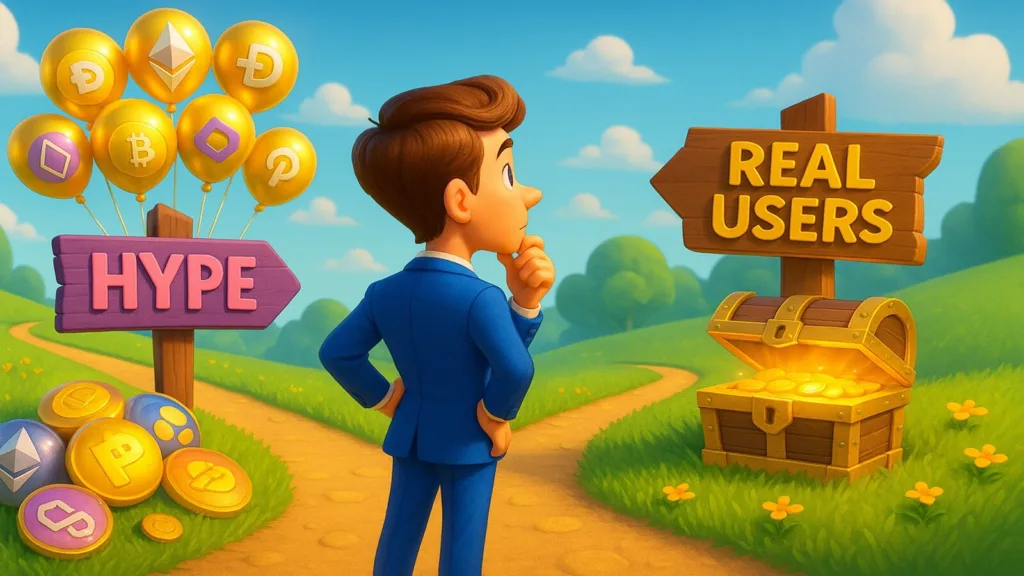
2) Look for real users, not just loud fans
Traction beats talk. Check simple signals:
- Are people using the product (active users, transactions, fees earned)?
- Do builders care (updates, partnerships, hackathon interest)?
- Is the community helpful (clear docs, fast support, educational content)?
If usage is flat and the marketing is loud, that’s a mismatch.
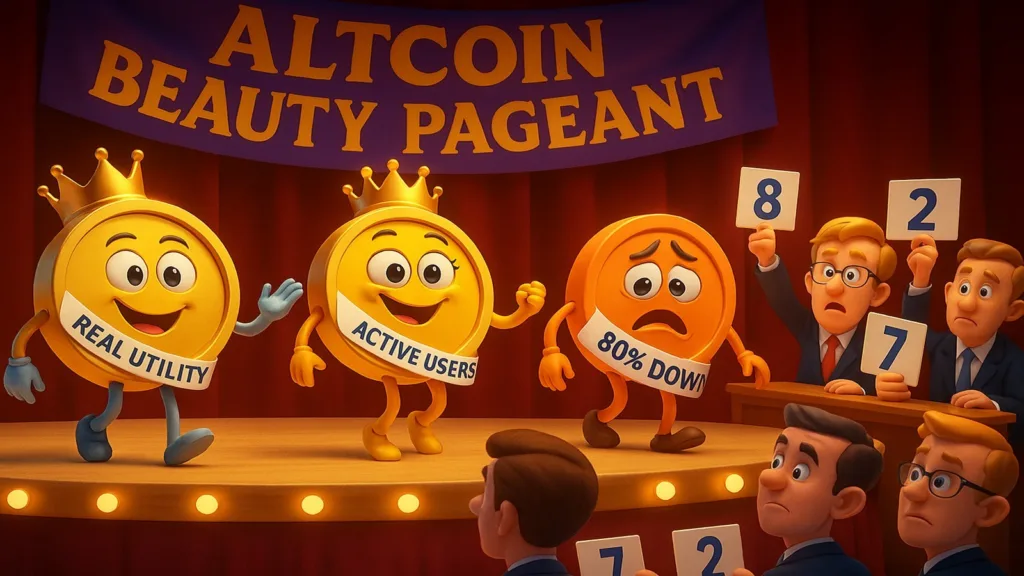
3) Do the napkin math (market cap vs. reality)
Two quick numbers tell a big story:
- Circulating Market Cap = price × coins currently in circulation
- Fully Diluted Valuation (FDV) = price × total coins that will ever exist
If FDV is massive while revenue and users are tiny, growth is already “priced in.” That doesn’t kill the idea, but it raises the bar for proof.
Rule of thumb: Prefer projects where today’s value looks reasonable compared to current activity, especially for early altcoins.
4) Token design you can actually understand
Good tokens do useful work:
- Utility: Does the token pay fees, secure the network, or unlock features?
- Emissions & Unlocks: When do new tokens hit the market? Big unlock next month = potential sell pressure.
- Distribution: Is ownership concentrated in a few wallets? Too much concentration = easy to move the price.
If the token’s purpose is basically “number goes up,” that’s speculation, not design.
5) Team, receipts, and skin in the game
You don’t need to worship founders, just check for receipts:
- Have they shipped credible products before?
- Are updates regular and transparent?
- Do they hold tokens on long, aligned schedules (vesting), or do they unlock early?
Anonymous teams can succeed, but track record and alignment still matter.
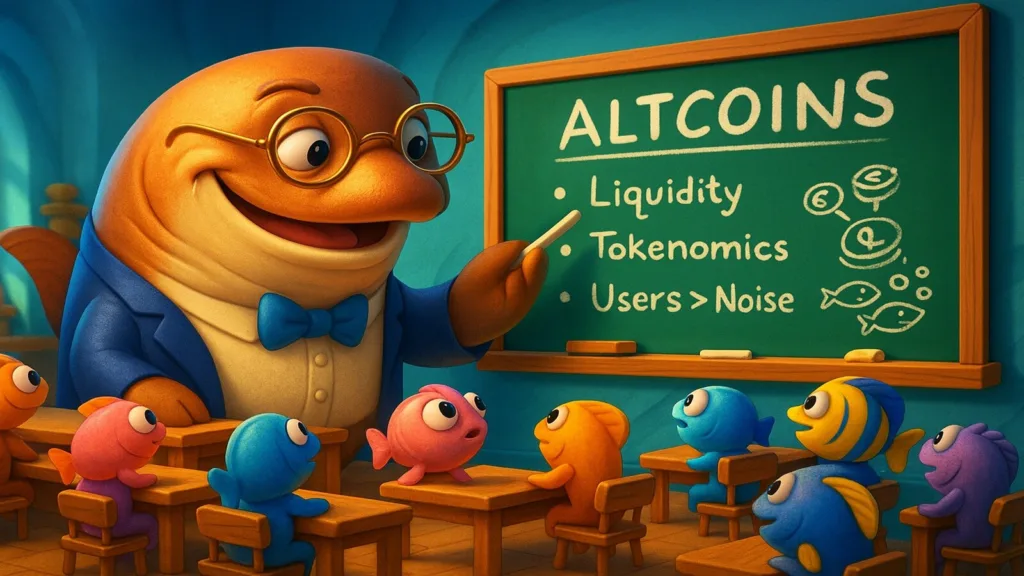
6) Liquidity, listings, and exit doors
Can you get in and out without drama?
- Liquidity: Is there enough trading volume to avoid big slippage?
- Venues: Listed on reputable exchanges, or only obscure ones?
- Bridges/Chains: Is it easy to move assets where you actually operate?
If the only exit is a tiny pool at 3 a.m., think twice.
7) Security basics (no need to be a coder)
You can’t audit code, but you can sanity-check risk:
- Reputable audits mentioned and acted on.
- Bug bounty in place.
- Transparent incident history and honest post-mortems.
No project is risk-free. You want teams that take safety seriously and prove it.
8) Narrative + catalyst + calendar
Price follows attention. Ask:
- Narrative: Does the project sit in a hot theme (AI, real-world assets, payments, gaming)?
- Catalyst: Any clear events ahead (major release, partnership, launch)?
- Calendar: Token unlocks, governance votes, or regulatory dates that could move price?
Good projects ride big waves without being only a wave.
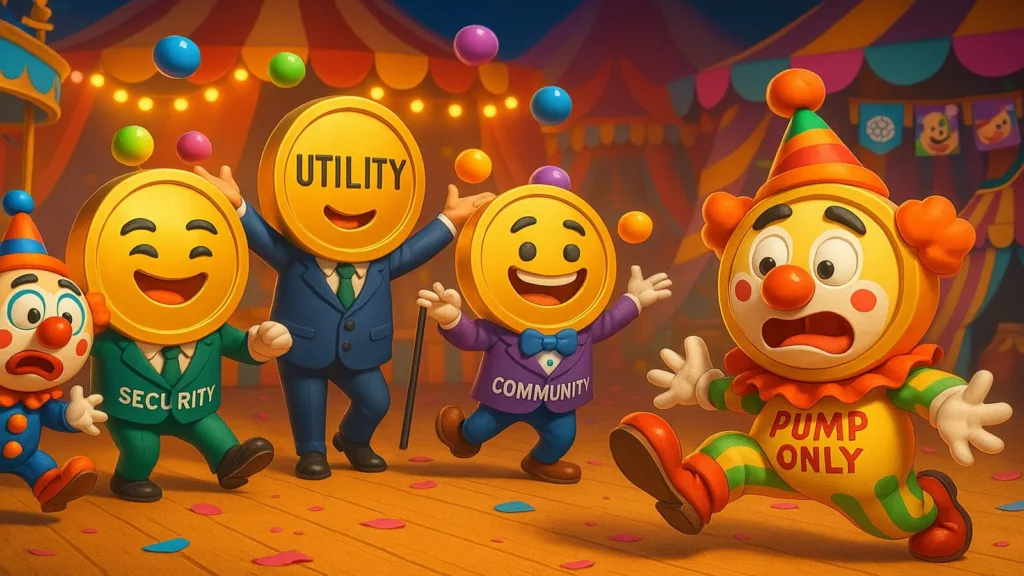
9) The one-minute red-flag scan
- Promises “guaranteed” returns.
- Vague whitepaper, no roadmap, no working demo.
- Influencer-only marketing, zero builder interest.
- FDV sky-high, unlocks tomorrow, insiders holding most of the supply.
If two or more show up, walk away. There are thousands of altcoins; you don’t need this one.
10) Build your personal “trust stack”
Create a simple habit loop:
- Save projects that pass your 10-minute test.
- Re-check weekly for users, code updates, and honest communication.
- Size positions modestly; add only when the project keeps delivering.
- Exit plan: Decide in advance where you will take profit or stop loss.
Consistency beats cleverness.
Bottom line: Finding the right altcoins
Great altcoins are useful, used, and fairly valued for their stage. They have a clear purpose, credible teams, sensible token design, and real demand. Use this ten-step checklist, keep your ego out of it, and remember: in crypto, patience is an edge. The market rewards people who ask simple questions and listen to honest answers.
One sentence to keep: Buy stories backed by users, not just by noise. That’s how you find promising altcoins before everyone else does.