

Why the crypto world treats every major token burn like a neighborhood bonfire with snacks, cheers, and a little quiet panic.
If you have ever opened your savings account on a Monday morning and whispered, “Please be higher,” then you already understand the emotional foundation of a token burn. Or think about Uber surge pricing: too many people want a ride, too few cars are around, and suddenly the price jumps like it found motivation. Group chats behave the same way. One person leaves, and suddenly the conversation becomes calmer, cleaner, and weirdly more valuable.
Crypto simply turned this everyday behavior into an economic mechanism.
It’s like cleaning out your closet… if your closet controlled asset prices
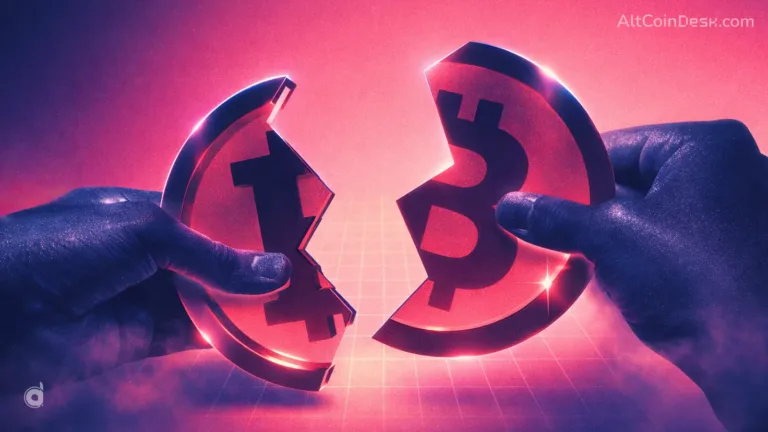
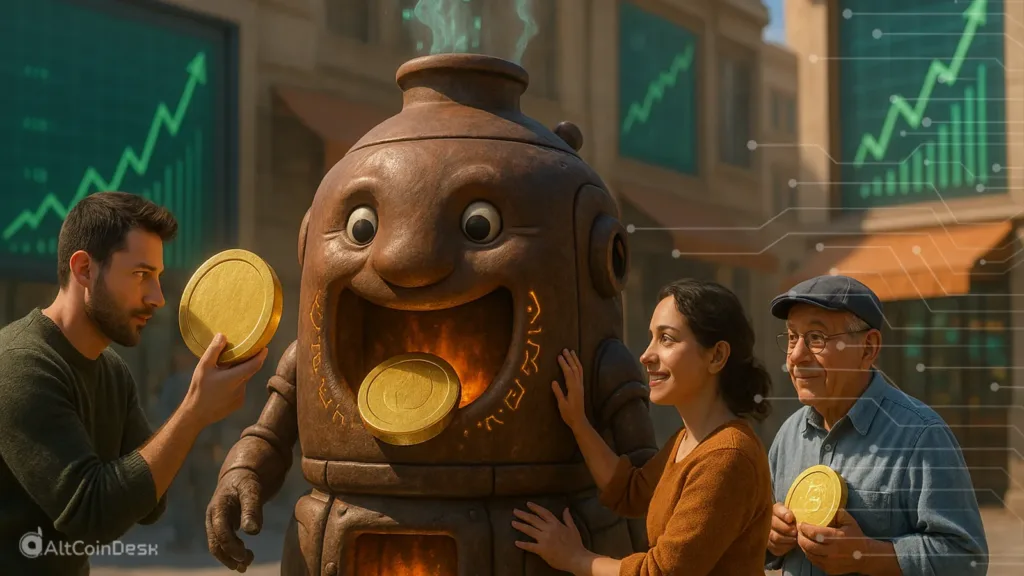
A token burn happens when a crypto project takes some of its own coins and sends them to a digital black hole where nobody, not even the founders, can touch them again. Imagine lighting a bonfire in your backyard, cheering as old clothes and embarrassing shoes disappear, then discovering that everything left in your wardrobe is suddenly worth more.
That is the essence of a token burn. Less supply, more value. At least in theory.
But here’s where it differs from real life
In real life, if you burn old clothes, Zara does not raise its prices. But in crypto, when a project destroys tokens, it instantly rewrites the math. It’s like your bank calling you and saying, “We reduced the total number of dollars in the world, so your balance has more power now.” You would faint, pray, or both.
Scarcity becomes programmable. The bonfire becomes intentional, strategic, and sometimes even ceremonial. Developers announce it, the community celebrates it, and market analysts write long threads pretending to be calm.
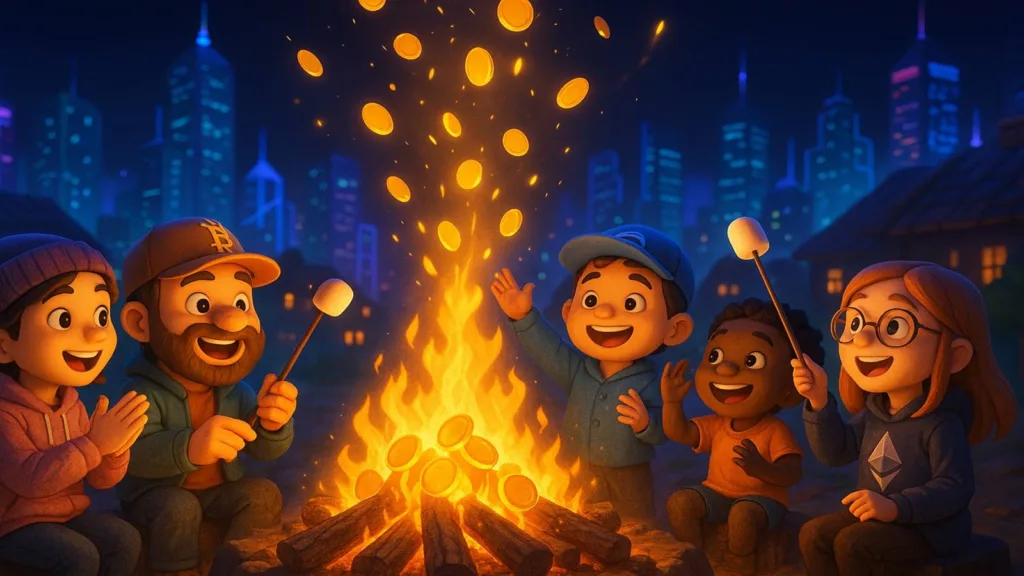
How Binance turned scarcity into value through a major token burn
One of the clearest examples comes from Binance Coin, when the company removed more than two million BNB from circulation during a quarterly burn. Imagine a coffee shop that prints one hundred loyalty coupons, then collects twenty of them and tosses them into a shredder in front of everyone.
Nothing changes about the coffee, but the remaining eighty coupons instantly feel more valuable because fewer people can redeem the same rewards. Binance did the same thing on a digital scale. By permanently destroying a portion of its tokens, it strengthened the position of people still holding BNB.
Why crypto treats burns like national holidays
Every time a token burn is announced, holders gather online like people waiting for fireworks. The logic feels intuitive. Remove a slice of the pie, and the remaining slices look bigger. Whether the market rewards that bigger slice depends on demand, utility, community mood, and whether the founders remembered to pay their cloud server bill. But emotionally, people love the idea of value increasing while they do nothing. It feels like skipping the gym and still getting abs.
The truth behind it all
A token burn is part math, part psychology, part marketing, and part ritual. It removes something you could have owned, which automatically makes what you already hold look more precious. It is one of the few financial events where watching something disappear makes people clap instead of cry. Reduce waste in everyday life, and you get a cleaner home.
Reduce supply in crypto, and you sometimes get a higher price.
To wrap up the token burn saga
A token burn looks like a bonfire party, feels like a scarcity trick, and works like a digital supply cleanup that quietly boosts the value of the tokens still standing. Traditional finance could never pull this off without chaos, confusion, and probably a global summit. Crypto simply writes a line of code and lights the match, proving once again that in this ecosystem, you don’t just bank; you become the bank.