

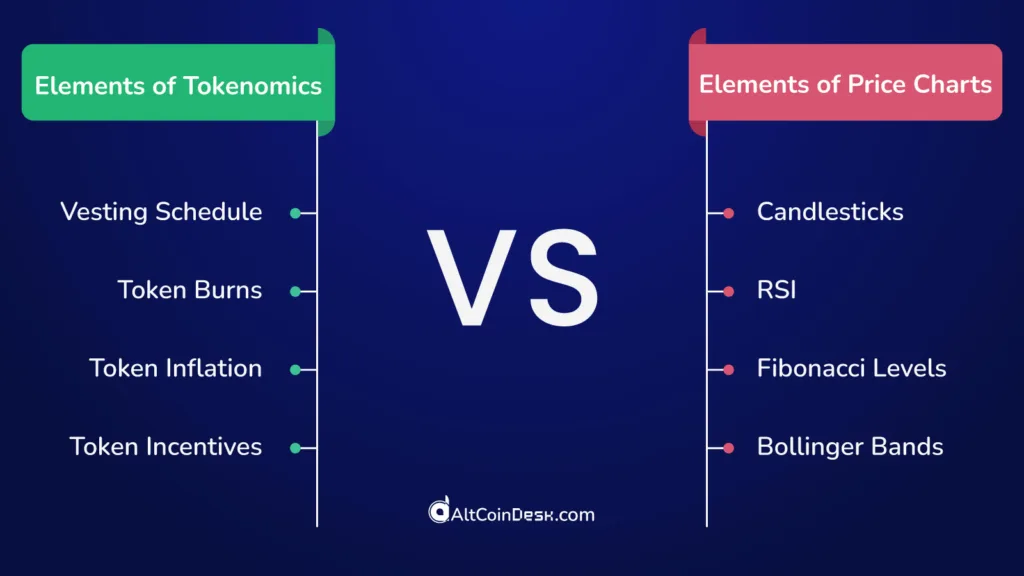
Most discussions in the cryptocurrency industry revolve around price charts. Candlesticks, moving averages, relative-strength index (RSI), Fibonacci levels, and Bollinger Bands become the primary lens through which investors view digital assets and try to predict their future price trajectory. However, price charts mostly only tell you where the token has been and are rarely accurate about where it’s going to be.
This is where tokenomics comes in. Essentially, a project’s tokenomics tells us about the token’s supply, vesting schedule, inflation or emission rate, incentives, and more. These metrics matter far more than traders realize, as they determine what direction the token will take on the price chart. In most cases, a project’s tokenomics matters far more than its roadmap, promises, virality, and even high-profile partnerships.
Why tokenomics model matters more than price chart
Unlike tokenomics, price charts are reactive in nature, as they reflect past action, such as prevailing buying pressure, selling pressure, volatility, and market sentiment. In a way, price charts are a snapshot of a token at a given point. In contrast, tokenomics reflect the structure of the coin or token. The tokenomics of a project determine how a token enters the market, who controls the quantity, and how easy it will be to sell the digital asset.
Let us try to understand this concept with an example. Consider a random altcoin’s price chart that looks super bullish today. However, if a large portion of the token’s supply is poised to enter the market next month, then it won’t take long for the price chart to reflect the same as it turns from bullish to bearish.
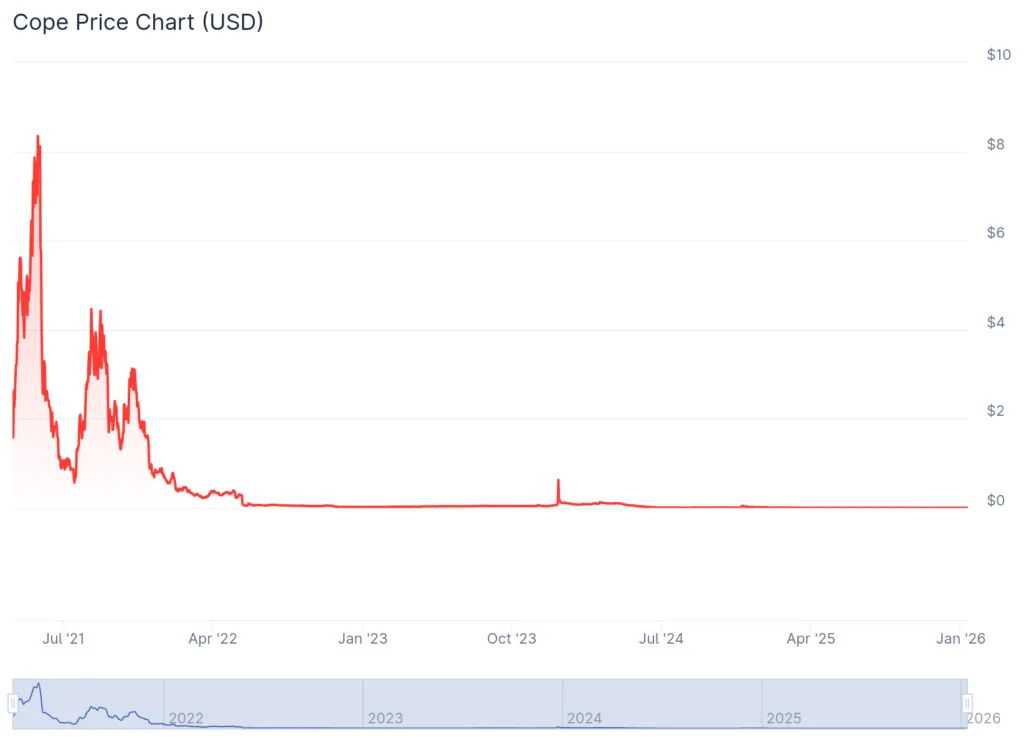
In this way, tokenomics holds a chokehold over price charts, as the former can dictate the trajectory of the latter to a significant level. We see this in practice again and again in the cryptocurrency industry, as most altcoins follow a familiar price pattern of strong early rallies, followed by creating successive new higher lows, and then finally vanishing into insignificance.
Pay attention to token inflation
A major market force that most investors tend to overlook is token inflation. Token inflation is the silent poison that can depress a token’s price despite it having strong fundamentals or seeing growing adoption. Many projects portray themselves as ‘deflationary’ while quietly emitting new tokens every day through staking rewards, incentives, liquidity mining, and other similar methods.
Even modest token inflation can create large selling pressure. Network validators, liquidity miners, yield farmers, and others tend to sell their holdings to cover costs and lock in profits. If organic demand for the token does not overtake new token emissions, then it becomes mathematically impossible to negate the strong selling pressure, no matter how strong the demand or narrative for the token might be.
This explains why two tokens with identical utility can exhibit significantly different price behaviors. While the token with low emissions despite low adoption might hold better value over time, the other token with a high emission rate – despite high utility – might struggle to hold its price and continue hitting new lows on the price chart.
Vesting schedules are more important than circulating supply
While the vast majority of crypto analysts place great importance on the token’s circulating supply, its significance may sometimes be overstated. Rather, it’s the vesting schedule that determines where the token is headed in the short to medium term, as it gives us details about who holds how many tokens.
It is the vesting schedule that determines a token’s future price action. While a token with a 20% circulating supply might appear scarce today, the remaining 80% of the supply can flood the market in the future, which may dilute the token’s price.
As an investor, it is important to check the quantity of the token held by founders, venture capitalists, influencers, and so on. Since these entities typically have a lower cost basis, it is very likely that they may unload their holdings during major token unlocks.
It is no surprise that most altcoin projects see the greatest price decline not during bear markets, but following huge token unlocks that flood the market with the token supply. As a result, the market sees unprecedented price behavior, indicated by broken support levels, unexpected breakdowns, and irrecoverable price directions.
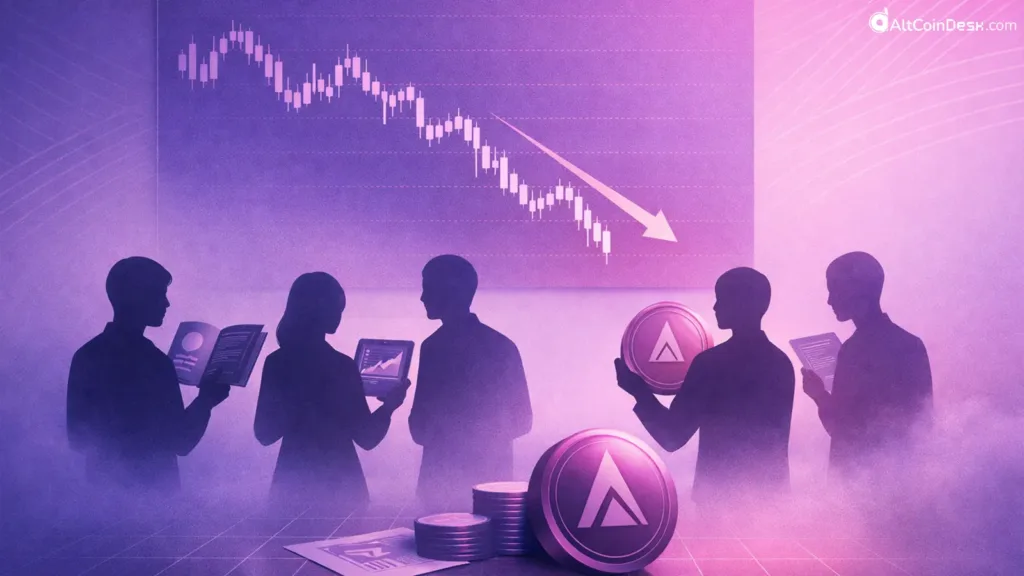
A classic example of token unlocks weighing on a cryptocurrency’s price is the Internet Computer (ICP) token. While ICP launched in May 2021 with a price of more than $700 per token, following a major token unlock during the summer for early investors and the foundation, the token supply in the market increased dramatically.
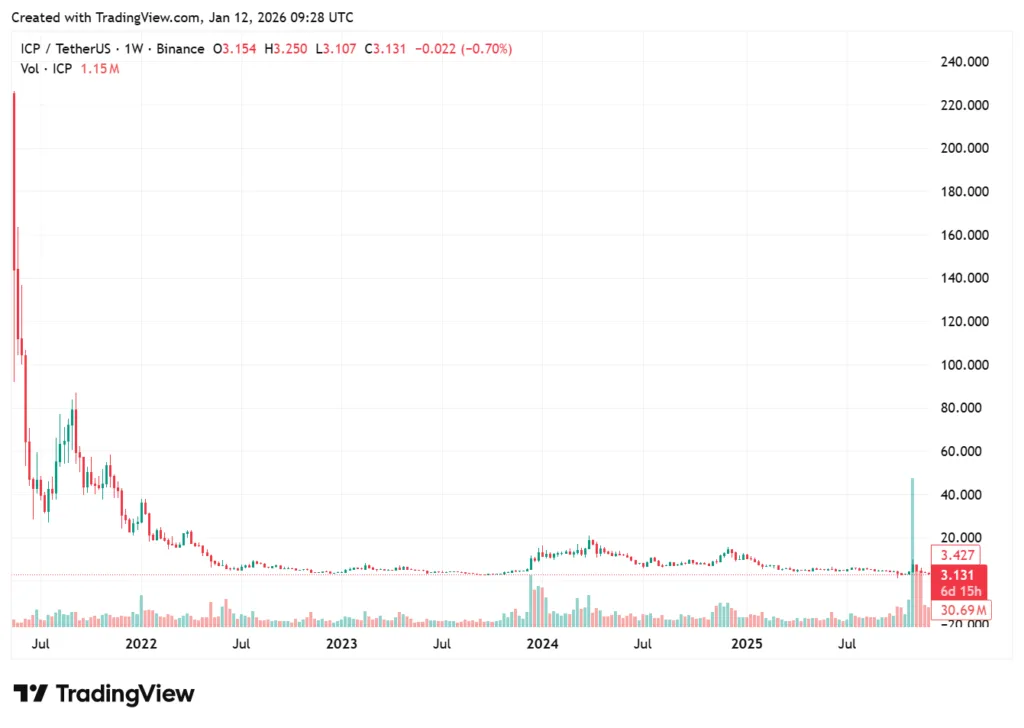
Despite the recent technological advancements in the ICP ecosystem, the token has so far failed to even move close to its pre-launch valuation. In fact, ICP has crashed more than 99% from its launch price, trading at $3.16 at the time of writing.
Don’t fall for token burns narrative
While the so-called ‘token burns’ are often portrayed as bullish catalysts to help the digital asset’s price trend upward, more often than not, they fail to deliver. In fact, there has hardly been any case where a token burn has helped a token’s price in a meaningful way.
Theoretically, token burns are supposed to remove a portion of the token’s circulating supply from the market. However, investors should investigate whether the removal of tokens from the market truly accounts for any token emissions. In fact, sometimes projects initiate token burns just for the optics, burning tokens that were never even meant to enter the market.
Here’s a quick example. Suppose an exchange token has a maximum token supply of 100 million, and the project founders announce that every week, 10% of the exchange’s trading fees will be used to buy tokens from the market and burn them to reduce the token’s supply from the market.
Now, if the weekly trading volume on the exchange averages around $50,000, that would imply a mere $500 worth of token burn for a 100 million supply. This would hardly create any real supply pressure on the underlying token, let alone push its price upwards.
Steer clear of weak token incentives
There is an urgent need for crypto investors to realize the importance of strong token incentives. The crypto market has seen many times when a protocol rewards its early users with tokens in the form of airdrops, and then the users end up selling the tokens at the earliest opportunity to lock in profits.
Here, the problem lies with limited utility. In most cases, such tokens barely have any use beyond governance or short-term speculation. The following infographic gives an idea about the lifecycle of a token with little to no utility. As a result, the token’s market supply continues to increase as fewer investors choose to hold the token for the long haul.

This problem is especially prevalent in decentralized finance (DeFi) tokens, where vanity metrics like total value locked (TVL), trading volume, market cap, and others are often used to mask the lack of the token’s utility.
Summing it all up
To conclude, a project’s tokenomics matters far more than most people realize. While price charts are good to understand the token’s momentum and whether it’s in a bullish or bearish phase, it cannot accurately predict where the token is headed if the tokenomics indicate otherwise.
While price charts show where the token has been, tokenomics predict where the token is likely to be in the future. In addition, checking parameters like token inflation is non-negotiable. A token’s high inflation rate will render all its utility and adoption meaningless, no matter how much utility it might have.
Further, the token’s vesting schedule and burn mechanisms should be studied thoroughly as well. Last but not least, stay away from tokens whose only utility is on-chain governance and price speculation. A token with no organic demand on the back of a utility is destined to hit rock bottom sooner rather than later.