


A new technology emerges. Washington tries to squeeze it into an old legal box. Labels are slapped, lawsuits are filed, and everyone fights over which legacy agency gets to hold the keys. This has been the pattern.
The release of a crypto market structure bill draft by the Senate Banking Committee has been described as a win for DeFi, a loss for regulators, or a fragile compromise. All of those miss the real story. What makes this draft significant is not that it mentions decentralized finance at all. It is that Congress is, perhaps for the first time, legislating for software rather than pretending every new system is just another financial institution in disguise.
At the center of the draft is a simple recognition. Code does not behave like a bank. Developers do not operate like intermediaries. And enforcement models built around licenses, offices, and balance sheets collapse when applied to open-source software that anyone can use, but no one controls. The Senate Banking Committee did not embrace DeFi out of ideology. It did so out of necessity.
From chasing ghosts to governing code
Traditional finance runs on institutions. There is always a company, a board, or a named entity with an address you can send a subpoena to. For decades, our financial laws were built on this simple fact. Enforcement meant finding the person in charge. Then came decentralized finance, or DeFi. It is not a company but a set of open-source protocols, lines of code that run autonomously. Who do you sue? The anonymous developer who wrote a piece of it years ago? The thousands of users spread across the globe?
Previous approaches were tried anyway, leading to a confusing and untenable game of legal whack-a-mole. The new draft from the Senate Banking Committee starts from a different premise. It’s reported that protections for certain developers and non-custodial activities are not a gift to the crypto industry. They are a hard-earned dose of regulatory humility. It is Congress admitting, finally, that you cannot enforce an old playbook when the very idea of a central intermediary has vanished.
A shift in philosophy, not just policy
This is the profound shift buried in the legal text. The Senate Banking Committee is grappling with a fundamental question: how do you govern something that is fundamentally a tool, not a trustee? The draft bill begins to separate the regulation of the software from the regulation of those who use it to provide traditional, custodial services. It is an acknowledgment that punishing a software developer for how others use their open-source code is not only unfair but also unworkable. It is like holding the inventor of the telephone responsible for a bank robbery planned over a phone line.
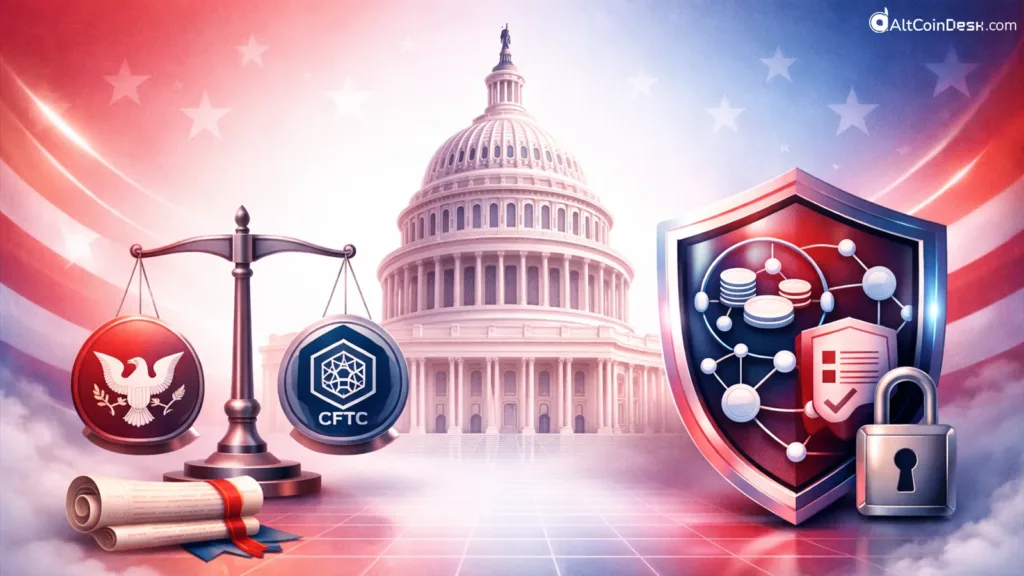
This is why the current markup process matters. It is not merely about whether the Commodity Futures Trading Commission or the Securities and Exchange Commission gets more power. It is about whether American law can mature to recognize that some technology is a neutral landscape, and our focus should be on policing the bad actors within it, not tearing up the landscape itself.
The ripple effects of a new approach
What the Senate Banking Committee is pondering reaches far beyond crypto. It is a test case for the next era of technological governance. From artificial intelligence to decentralized social networks, we will keep facing systems where accountability is distributed. This draft suggests a path: rules that target identifiable commercial behavior and clear liability, while providing a safe harbor for the basic tools that, in the right hands, can drive innovation.
Of course, challenges remain. Balancing these protections with legitimate concerns about illicit finance is the tightrope the committee must walk. The stablecoin rewards and market structure details are critical. But the core breakthrough is philosophical. After years of trying to fit the digital square peg into the analog round hole, Congress is starting to design a new hole.
The journey of this bill, from discussion drafts to the upcoming markup, is about more than market structure. It is about whether our government can update its thinking for a world where value moves through code as easily as through a corporation. By beginning to protect the decentralized developer, the Senate Banking Committee is not waving a white flag. It is finally reading the map of the new territory. And that is a development worth watching closely.