



Ethereum, the largest smart-contract platform and the second-largest cryptocurrency by reported market cap, recently hit record activity in terms of the average number of transactions. However, unprecedented growth in network activity doesn’t necessarily mean all is good for the protocol.
Ethereum’s high activity is not exactly good news
The Ethereum network is busier than it has ever been, with its daily transaction volume recently hitting almost 2.9 million. The surge represents more than a 100% rise from the number of transactions recorded in December 2025, which stood around 1.1 million.
In addition, the number of new wallets created on the network is hitting successive new highs. Etherscan.io’s latest data reveals the addition of nearly 429,000 new addresses to the network within the last 24 hours.
However, these metrics, which might suggest rising Ethereum adoption, are not necessarily positive for the leading smart contract protocol. In a blog post, blockchain researcher Andrey Sergeenkov remarked that record activity on Ethereum is primarily driven by address poisoning attacks.
Sergeenkov stated that 80% of the extraordinary growth in new wallet addresses on Ethereum was driven by stablecoins. Investigating further, Sergeenkov found that 67% of these users received less than 1 USD as their first stablecoin transaction.
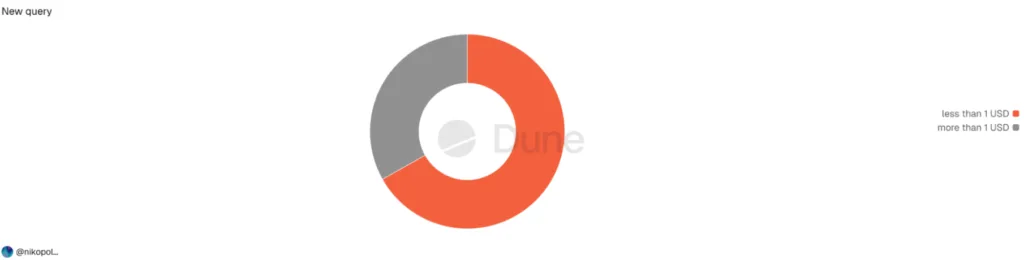
Most wallets linked with poisoning addresses
Upon further unraveling the blockchain labyrinth, Sergeenkov zeroed in on addresses that were active between December 15, 2025, and January 18, 2026, and found that dust was sent to at least 10,000 addresses.
He found that the top three wallets had automated mass distribution of poisoning dust. To explain, the so-called ‘poisoning addresses’ are created to look similar to victims’ legitimate addresses—usually matching the first and last characters.

Subsequently, the victim sees a somewhat familiar-looking address in their wallet, assumes that it’s their address, and unknowingly sends real funds to the attacker. Such an incident recently came to light when an individual accidentally sent about $50 million, falling victim to a carefully orchestrated address poisoning attack.