
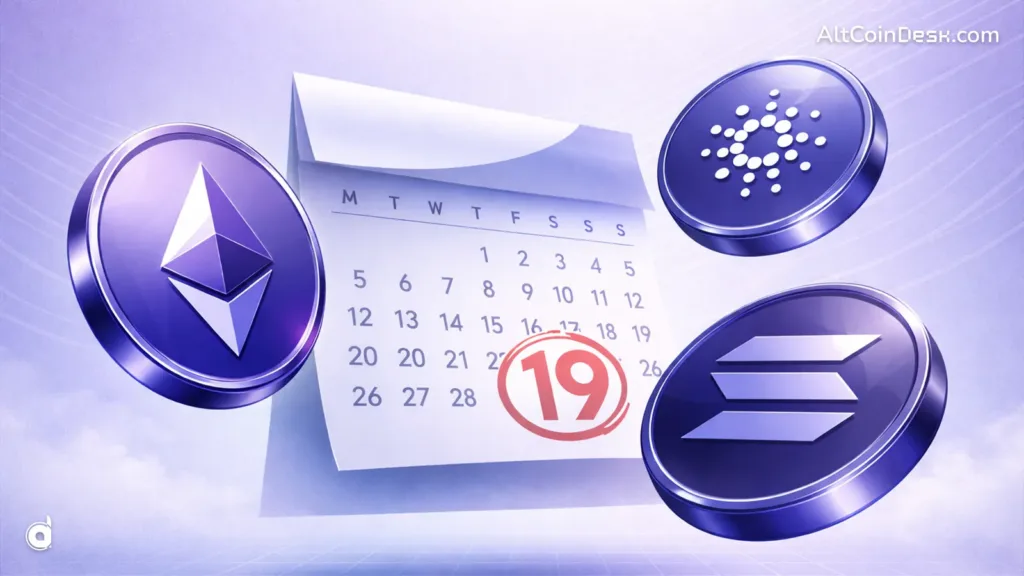

According to a new report by digital assets market maker Wintermute, the median altcoin rally in 2025 lasted only for 19 days, significantly down from 61 days in 2024. In addition, the firm said that the so-called ‘memecoin rally’ collapsed early in 2025, reducing investors’ appetite for speculative plays.
Altcoin rally was just 19 days long in 2025
In 2025, the cryptocurrency market’s liquidity saw a sharp contraction, mostly limited to large-cap digital assets such as Bitcoin (BTC) and Ethereum (ETH) because of their increasing acceptance among institutional investors on the back of exchange-traded funds (ETFs) and digital asset treasuries (DATs).
The change in play from previous cycles, where the capital was more evenly distributed among cryptocurrencies with medium and small caps, is a testament to the reduced demand for risk-on assets among investors for the better part of 2025.
The duration of the median altcoin cycle directly reflected this shift. It slid from 61 days in 2024 to a mere 19 days in 2025. According to Wintermute, altcoin cycles have not only become shorter but also extremely selective.
Altcoin rallies in crypto markets now occur only within a specific segment of the digital asset vertical, rather than as a market-wide rally where all altcoins used to achieve double-digit gains in a single day.
In 2025, the market saw decentralized perpetual trading platforms like Hyperliquid and Aster perform exceptionally well. 2025 also saw several leading privacy coins, such as Monero and Zcash, rewarding their holders, with XMR hitting a new all-time high earlier this month.
Liquidity flowing through structured channels
In its report, Wintermute noted that altcoin liquidity now flows through structured channels such as ETFs and DATs, determining venues where investors can trade in large amounts.
Regarding 2026, Wintermute noted that last year the crypto market may have pivoted from narrative-driven cycles to a more liquidity-specific market, which remains concentrated among digital assets at the top of the market.
To buck the trend, corporate buyers of digital assets through ETFs and DATs must introduce a change in strategy that indicates their interest in digital assets beyond the common names like BTC and ETH.