
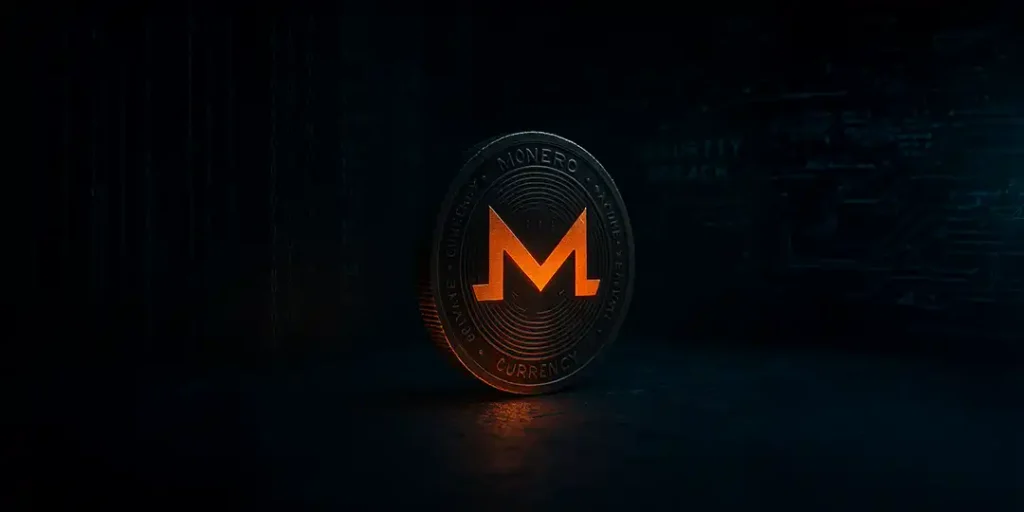

In a twist that underscores the enduring allure of privacy-focused cryptocurrencies, Monero surges to $317 early Monday, a 38% spike, after a brazen hack exposed the coin’s unique role in the shadowy corners of crypto markets. The surge, Monero’s highest price since 2021, came hours after an anonymous actor dumped 3,000 stolen Bitcoin across six exchanges, swapping the loot for XMR in a move that left analysts and traders scrambling.
The heist that shook markets
The drama began Sunday evening at 10:11 pm London time, when blockchain sleuth ZachXBT flagged a series of suspicious Bitcoin transactions. A wallet linked to a long-term Bitcoin holder suddenly sprang to life, funneling 3,000 BTC (worth roughly $180 million) to major exchanges. Minutes later, the Bitcoin was converted into Monero, a cryptocurrency prized for its untraceable transactions.
“This wasn’t a casual cash-out,” ZachXBT noted on X (formerly Twitter). “The speed and scale suggest someone wanted to vanish those funds—fast. Monero’s privacy tech made it the obvious exit ramp.”
Liquidity crunch meets frenzied demand
Monero’s price reaction was immediate and explosive. Within hours, XMR surged from $230 to $317, a level unseen since its 2021 bull run. But the rally also laid bare a stark reality: Monero’s market has grown dangerously thin. Over the past year, regulatory pressure forced giants like Binance and Kraken to delist XMR, slashing liquidity. When the hacker’s massive buy order hit, the remaining markets buckled.
“Imagine dumping a tidal wave into a kiddie pool,” said a veteran crypto trader. The hacker’s swap drained available XMR liquidity, triggering a short squeeze. Sellers couldn’t keep up. By Monday afternoon, XMR stabilized near $280—still 22% above pre-hack levels—as traders absorbed the shock.
Why Monero?
Monero is built to keep things discreet by default. Its cryptography hides who sent what to whom, which is exactly why privacy-focused users love it. Critics say that level of secrecy invites bad actors; supporters shrug and say privacy is not suspicious, it is a basic financial right, and sometimes you just want your money to mind its own business. “This incident proves Monero works as intended,” said a privacy advocate. When you need funds untethered from your identity, XMR is the go-to.
Yet the hack also raises questions. Who was the Bitcoin holder? Was this an inside job or an external breach? And why didn’t exchanges flag such large, abrupt conversions? While answers remain elusive, the event has reignited debates about privacy coins’ place in an increasingly regulated ecosystem.
The aftermath: a new chapter for XMR?
Monero has been walking a bit of a tightrope lately. As more exchanges quietly step back, XMR is finding itself with thinner liquidity, and that means the price can wobble fast when demand suddenly shows up. Fewer venues, fewer buffers, bigger swings, it is crypto physics at work. For traders, this spells opportunity—and peril. “You’re playing with fire,” Rodriguez warned. One big move can swing prices 30% in either direction.
Whether this moment turns into a proper rally or invites a regulatory side-eye remains to be seen. One thing, though, feels undeniable. When things get tense, Monero still slips through the system like a shadow that refuses to be pinned down.
As the dust settles, XMR is back in the spotlight. Can privacy coins finally claim a seat at the grown-ups’ table, or will regulators tighten the screws once again? For crypto’s rebels and true believers, the lines are clear, and the game is very much on.