

Pi Network just made its loudest statement yet, and it did not come in the form of a whitepaper or roadmap update. It came with money. Real money.
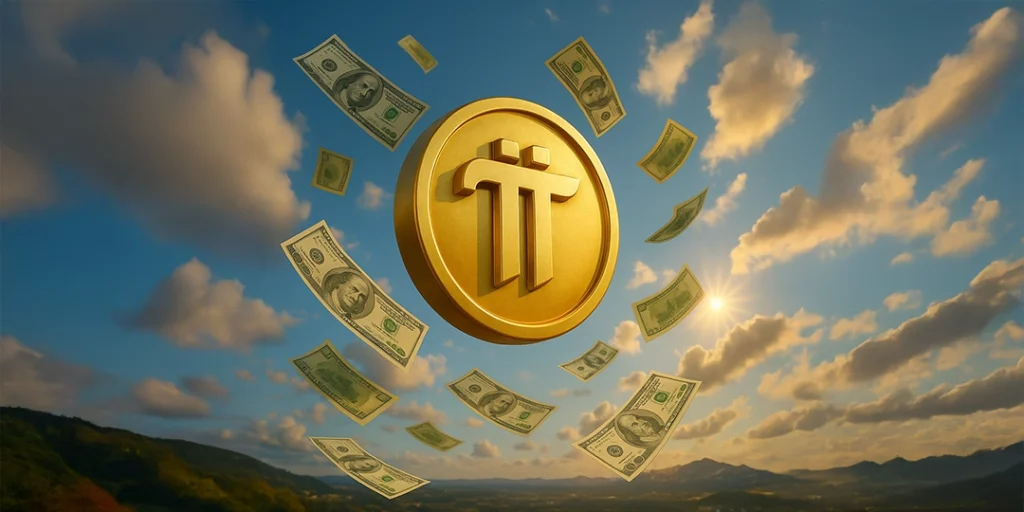
On May 15, 2025, the Pi Foundation announced it is committing $100 million to back startups building on the Pi ecosystem. For a project best known for letting people mine tokens on their phones, this feels like a moment of growing up. Ten percent of Pi’s reserved token supply is being redirected into a venture-style fund designed to push real applications into the wild, not just promises on a Discord server.
This is Pi moving from “trust us, it’s coming” to “here’s the capital, go build it.”
According to the foundation’s post on X, the fund will support startups across DeFi, NFTs, supply chain tools, and AI-powered decentralized apps. The approach is flexible. Some teams will receive grants, others equity-style backing, and some direct Pi token allocations. Projects will be screened by a mix of developers, community members, and external advisors, which gives the process a hybrid feel, part DAO energy, part grown-up governance.
In plain terms, Pi wants builders who will actually use Pi Coin, not just talk about it.
The price reaction, because of course, there was one
Naturally, traders had opinions. Pi’s price action around the announcement was messy, emotional, and very crypto. In the week leading up to the news, Pi surged more than 42%, riding the wave of speculation. Then the announcement dropped, and within 24 hours, the token slid nearly 28%, landing around $0.88.
Classic buy the rumor, sell the news behavior. Zoom out a bit, and the picture gets more complicated. Pi is still up over 31% on the month, suggesting some belief that this fund could boost long-term utility. But it is also down almost 48% over the past quarter, falling from around $1.70 to current levels. That tells you plenty of investors are still unconvinced.
The loudest concern is supply. Unlocking 10% of reserves makes people nervous when the total supply already sits at about 7.1 billion tokens. The foundation insists a five-year vesting schedule will prevent sudden dumping, but trust in crypto is earned slowly and lost quickly.
At a roughly $6.3 billion market cap, Pi’s future price is now tied directly to execution. If these startups build things people actually use, the narrative changes. If not, the skepticism sticks.
Short term, it’s volatile. Long term, Pi is making a very public bet that utility beats hype.
Why this move matters beyond Pi
This is not just a Pi story. It is a signal. Crypto has spent years rewarding speculation more than construction. Pi’s $100 million fund flips that emphasis and joins a growing trend started by ecosystems like Solana and Polygon. The difference is Pi’s structure. There is no CEO making unilateral calls. Decisions are influenced by the community but filtered through experienced oversight. It is an unusual blend, and it may end up being one of Pi’s most interesting experiments.
For newcomers, this is where crypto finally becomes tangible. Not charts, not slogans, but tools. A farmer using a Pi-backed app to manage crops. A gamer earning Pi through in-game NFT trades. These are the stories Pi is trying to unlock, and they matter more than any short-term candle on a chart.
The bottom line
Pi Network is not just investing $100 million in startups. It is investing in relevance.
The goal is simple, even if the execution is hard. Turn Pi Coin from “that thing you mined on your phone” into something people actually need to use. Whether this becomes Pi’s Ethereum moment or a very expensive lesson depends entirely on what gets built next.
For now, the crypto market is doing what it always does: watching closely, arguing loudly, and trading nervously while history decides which side was right.