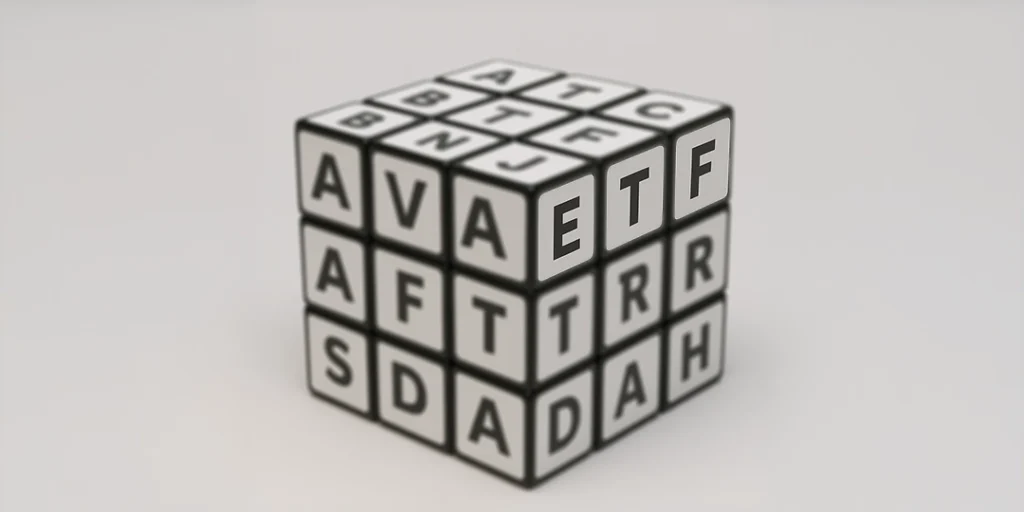

An ETF is a group of investments that you can buy and sell on the stock market. You can invest your money in stocks, commodities, or, in this case, cryptocurrencies.
ETFs are similar to mutual funds, except they trade on stock markets and their prices change throughout the day depending on how many people want to buy or sell them. A mutual fund only buys and sells once a day.
Things you should know about ETFs
- Diversification: ETFs have a lot of different assets, so it’s easy to invest in a certain market or sector. This might mean that one ETF contains a lot of different altcoins when it comes to altcoins.
- Liquidity: It’s easy to buy and sell ETFs during market hours.
- Transparency: Most ETFs tell investors every day what assets they own, so they know exactly what they have.
- Lower fees: ETFs usually have lower expense ratios than actively managed mutual funds.
- Access: It’s easy to trade ETFs because anyone with a regular trading account can do so.
How do people use ETFs to purchase and sell cryptocurrencies?
It’s still fresh to trade altcoins with ETFs. This is how they work now and how they might work in the future:
What’s going on right now (May 15, 2025):
There aren’t many spot altcoin ETFs available right now. The SOL ETF in Canada is the only spot ETF for a single altcoin that is completely approved and listed.
Spot ETFs for Bitcoin (BTC) and Ethereum (ETH) have been approved in the U.S., Canada, Europe, and some parts of Asia. This is the first time that an ETF has been made for an altcoin.
Indirect exposure: Some cryptocurrency ETFs or Exchange-Traded Notes (ETNs) in Europe let you invest in a group of cryptocurrencies that don’t contain Bitcoin and Ethereum. This is a way to get altcoins without having to buy them.
This is how it works
- If new spot altcoin ETFs go forward, they will probably work like Bitcoin and Ethereum ETFs.
- An ETF will keep an eye on the price of one or more altcoins, like a Solana ETF that keeps an eye on SOL.
- A spot altcoin ETF will keep the altcoins safe in a safe place.
- You can buy and sell shares of the ETF on major stock exchanges like the Nasdaq and NYSE, just like you can with stocks.
- Investors can buy and sell shares through their current broking accounts. You don’t need wallets or exchanges to use cryptocurrency.
Benefits of trading altcoin ETFs
- You don’t have to worry about private keys or crypto exchanges when you use ETFs.
- ETFs are safer than buying cryptocurrencies directly since they follow financial rules.
- It might not be as easy to buy and sell some altcoins on big platforms as it is to buy and sell ETFs.
- ETFs might be of interest to institutional investors and financial advisors.
- In some countries, ETFs may be taxed less than holding crypto directly.
Things to think about
- Altcoin ETFs are likely to stay quite unstable.
- The ETF’s performance depends on how easy it is to buy and sell the altcoins it has.
- There will be administrative fees, and they will be different for each provider.
- The rules on cryptocurrencies are changing, which could have an effect on altcoin ETFs.
Last but not the least
- Altcoin ETFs are relatively new, but have the potential to grow in the future.
- ETFs might link the traditional finance world with the cryptocurrency market.