
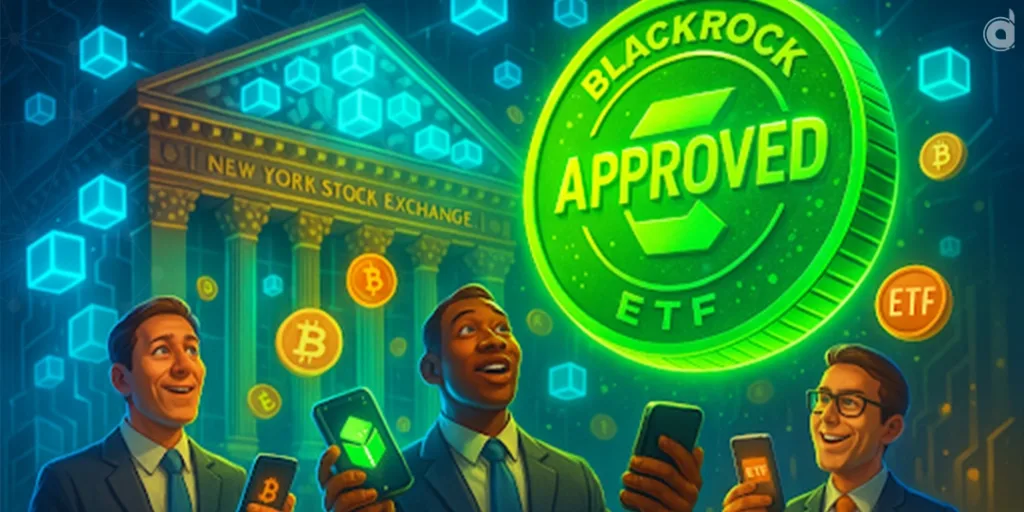

When BlackRock pushed its iShares Bitcoin Trust (IBIT) into the world in 2024, skeptics thought it would be another Wall Street experiment. Instead, it became one of the most successful ETF launches ever, racking up billions in inflows and showing that institutions really can play nice with crypto. Now comes the bigger, bolder question: if BlackRock plans ETF tokenization after its Bitcoin success, what does that mean for the rest of us?
From Bitcoin fund to blockchain ambitions
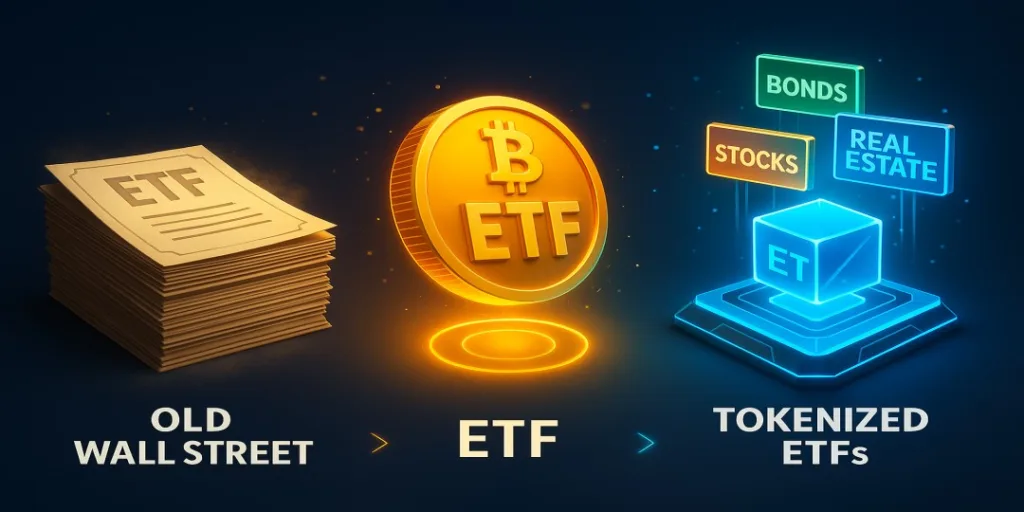
Let’s start with the basics. An ETF is just a basket of assets packaged in a way investors can trade on stock exchanges. Normally, that basket lives inside a centralized system; think custodians, brokers, and clearinghouses. It works, but it’s clunky and slow. Settlement takes days, costs pile up, and investors only trade during market hours.
Now imagine those same ETFs as digital tokens living on a blockchain. They could trade 24/7, settle in seconds, and be divided into fractions so that anyone from a Wall Street whale to a college kid can buy a slice. That’s the vision: when BlackRock plans ETF tokenization, it turns traditional funds into on-chain assets.
Why tokenization matters
At first glance, it may sound like jargon. But the appeal is simple:
- Speed: Instead of waiting two business days for trades to clear, tokenized ETFs could settle instantly.
- Access: Fractional ownership could open products to small investors globally.
- Efficiency: By cutting out layers of middlemen, costs could shrink.
- Liquidity: A tokenized ETF could be used as collateral in real time, even across borders.
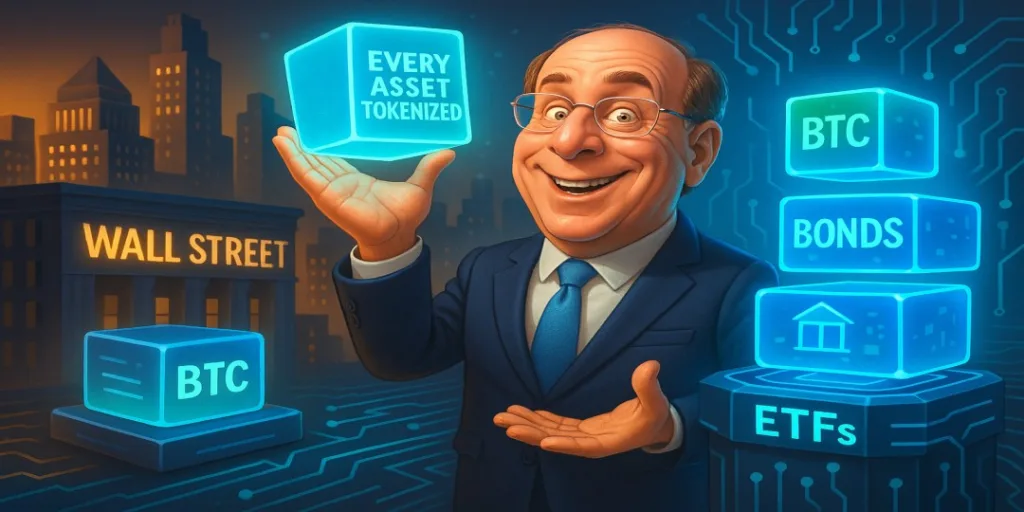
BlackRock’s CEO, Larry Fink, has gone on record saying, “Every stock, every bond, every fund, every asset can be tokenized.” When the head of the world’s largest asset manager talks like that, people listen.
But why now?
The timing isn’t random. IBIT proved that crypto-native products can attract mainstream money. Meanwhile, BlackRock already dipped its toes into tokenization with BUIDL, its tokenized U.S. dollar fund that sits on Ethereum. By all accounts, that fund has been a hit, used by custodians and DeFi players to move dollars more efficiently.
So when BlackRock plans ETF tokenization, it’s not just theory. It’s building on early success.
The hurdles ahead
Of course, this isn’t a fairy tale where Wall Street flips a switch and suddenly everything is on-chain. There are roadblocks:
- Regulation: The SEC must sign off before ETFs go tokenized. Investor rights, surveillance, and compliance need to be airtight.
- Identity: To prevent fraud, digital IDs may need to be tied to wallets. That’s a big cultural leap.
- Tech Choices: Public blockchain or private? Ethereum or a permissioned rail? The choice affects everything from custody to access.
- Adoption Curve: Convincing traditional investors to move from brokerage apps to tokenized platforms won’t happen overnight.
In other words, ambition is clear, but execution might take years.
What it means for investors
If BlackRock plans ETF tokenization and regulators play ball, the everyday investor could eventually buy shares of an S&P 500 ETF as easily as they buy Bitcoin on Coinbase. You could hold a tokenized bond ETF in your wallet, lend it out in a DeFi app, and earn yield, all while having the same legal protections you’d get on Wall Street.
For institutions, tokenization means faster settlement, better collateral use, and global reach. Imagine pension funds moving billions instantly instead of waiting on clunky back-office systems. That efficiency could ripple across markets.
The satirical truth
Here’s the irony: crypto started as a rebellion against Wall Street. Now, the same giants are bringing blockchains into the mainstream. In a few years, tokenized ETFs might be so normal that checking your wallet will feel like scrolling Robinhood, except you’ll see stocks, bonds, and Bitcoin all side by side.
It’s progress, yes, but also a reminder. The revolution doesn’t always arrive with slogans and memes. Sometimes it shows up in a suit, files a prospectus, and waits for the SEC to stamp “approved.”
Final take
BlackRock plans ETF tokenization because it sees a future where assets move faster, cheaper, and wider than today’s systems allow. It won’t happen overnight, but the path is clear: from Bitcoin ETFs to tokenized bonds, stocks, and funds. If the regulators don’t slam the brakes, this could be the bridge between Wall Street and Web3.
The big question is not if it happens, but when. And when it does, your portfolio won’t just sit in a brokerage account; it’ll live on-chain, trading while you sleep.