

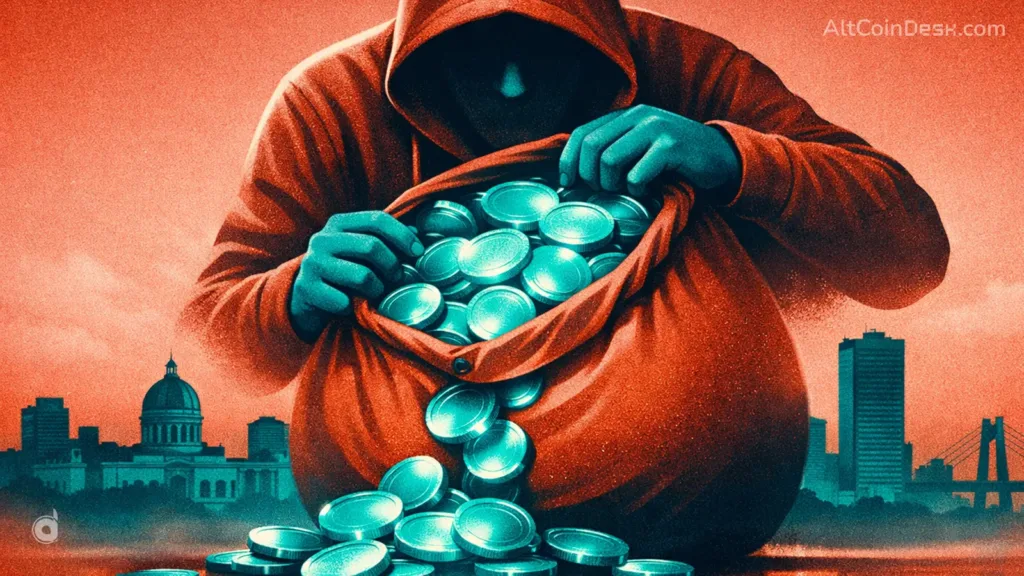

Morning usually arrives gently in Asunción. Sunlight, noise from the street, the sense that today might be better than yesterday. But this time, it came with silence, tears, and disbelief.
Thousands of Paraguayans woke up to the same brutal realization: the money they saved for school fees, hospital visits, or that long-postponed home upgrade was gone. Not misplaced. Not delayed. Gone. On April 18, 2025, authorities confirmed what many already feared. Roughly $4 billion had vanished into a web of crypto scams, shaking a country already walking a financial tightrope.
This story is not just shocking. It is painfully familiar.
The so-called Paraguay $4 billion crypto scam has now earned an ugly place in history, not because of clever technology, but because of how ruthlessly it exploited hope. Fraudsters did not target billionaires or hedge funds. They went after everyday people who were tired of inflation, stagnant wages, and broken promises from traditional systems.
The pitch was irresistible. A slick “blockchain investment platform.” Promises of 200 percent returns in 90 days. Confident voices on social media. Local influencers nodding approvingly. It all felt modern, exciting, and just plausible enough to believe.
Farmers, shop owners, freelancers, and retirees all bought in. Some invested savings. Others sold equipment. A few took loans. What they were really funding, though, was a sprawling Ponzi operation that collapsed last week, leaving behind empty wallets, angry protests, and a messy trail of blockchain transactions investigators are still untangling.
So why Paraguay?
In many ways, it was the perfect target. Crypto adoption has grown quickly, helped by cheap energy, mining buzz, and loose regulatory guardrails. Scammers dressed their schemes in green language, tying fake projects to the country’s hydroelectric reputation. Add limited financial education and deep distrust in traditional institutions, and you have fertile ground.
“These scams grow where people are searching for an escape,” said one blockchain forensics expert based in Buenos Aires. “Crypto feels like a lifeline, not a gamble.”
Authorities have moved fast, at least by regional standards. Twelve suspects were arrested this week. But the damage is already done. Interpol is now warning that similar playbooks are spreading across Nigeria, Vietnam, Bolivia, and beyond.
The human cost is harder to quantify.
One rice farmer from Encarnación summed it up quietly. “I sold my tractor to invest,” he said. “Now I have nothing.”
Stories like his are everywhere. Yet even in the wreckage, there are small signs of progress. Blockchain analytics firms like Chainalysis helped trace the flows, proving that transparency tools can work when they are used early and seriously.
The lesson is not new, but it is expensive. High returns rarely arrive without high risk. When something sounds effortless, urgent, and guaranteed, it usually is not an opportunity. It is bait.
As decentralized finance pushes deeper into emerging markets, education and regulation cannot afford to lag behind the hype. Verify first. Trust later. And never let excitement replace common sense.
Today, Paraguay is counting losses and rebuilding trust. The rest of the crypto world should be paying attention. Innovation may be fast, flashy, and global, but so are predators.
This $4 billion disaster is not just a warning. It is a call for accountability. Because the future of finance should never be built by destroying people’s futures.