
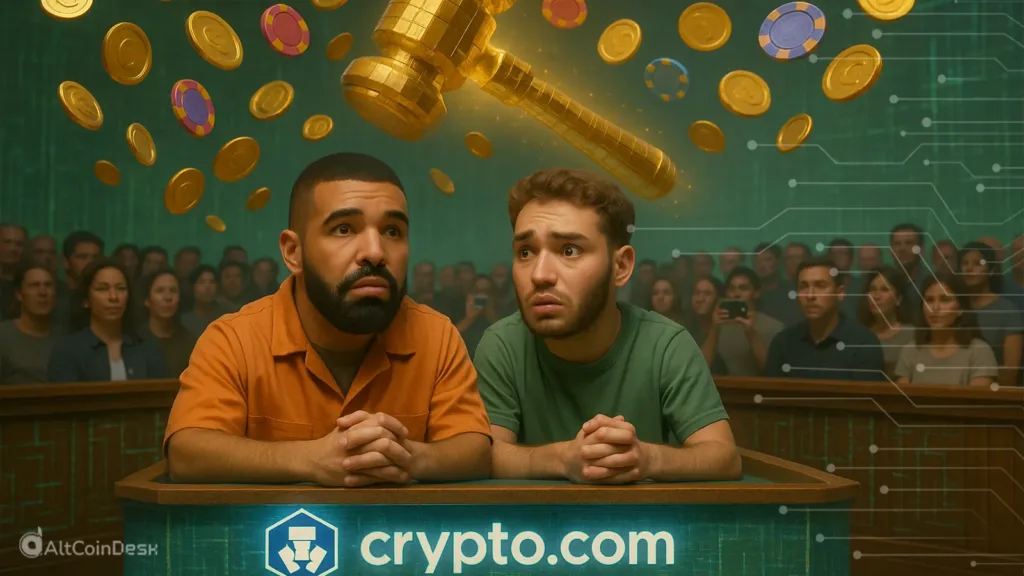

Drake and Adin Ross are being sued for allegedly luring young fans into a deceptive online gambling operation. The class-action lawsuit, filed this week in Missouri, claims the duo helped promote Stake.us, a crypto-based “social casino” that may have secretly functioned as a real-money betting site.
According to the lawsuit, Stake.us presented itself as a fun and risk-free gaming platform. Players were told they were simply buying harmless virtual tokens called Gold Coins, coins that had no real-world value. But behind the curtain, the site also offered something called Stake Cash, which could be directly exchanged for U.S. dollars and wagered in casino-style games.
The plaintiffs argue that this setup turned Stake into an unlicensed gambling operation, cleverly disguised under the soft label of “social casino.” And they claim that Drake and Adin Ross, two of the platform’s biggest celebrity faces, knew exactly what they were promoting.
The heart of the accusation
The complaint accuses Stake of creating an illusion of safety while secretly running a digital casino that used cryptocurrency as its fuel. It also claims that both Drake and Ross made millions of dollars by encouraging their fans to join the site, especially younger audiences who saw gambling as just another form of entertainment.
Drake, known for his love of online betting, often livestreamed himself playing on Stake’s platform, sometimes placing wagers worth hundreds of thousands of dollars in Bitcoin. His flashy streams, paired with his celebrity influence, helped drive what the lawsuit calls the “Drake Effect,” a rush of new users inspired by the rapper’s glamorous betting lifestyle.
Adin Ross, one of Twitch and Kick’s most controversial streamers, also promoted the casino to his millions of followers. The lawsuit alleges that both men often bet using “house money” provided by Stake, not their own funds, without properly disclosing it, a move that could violate state advertising and gambling laws.
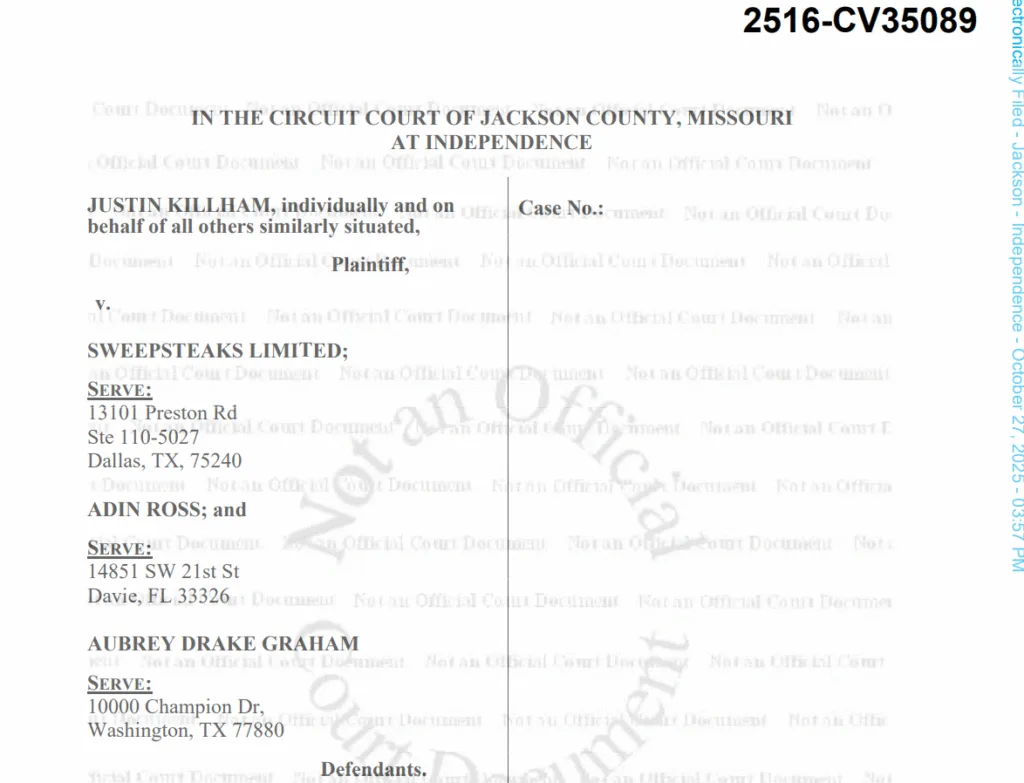
A familiar story, but with a new twist
Celebrity involvement in risky crypto promotions is nothing new. From the FTX collapse to celebrity-endorsed meme coins, fans have seen stars endorse projects that later faced serious legal trouble. But what makes this case different is intent.
In earlier lawsuits, celebrities like Tom Brady and Larry David were cleared because they had no knowledge of the wrongdoing behind the crypto brands they promoted. This time, the plaintiffs argue that Drake and Adin Ross knew or should have known that Stake was misleading users about real-money gambling.
That claim, if proven, could make this one of the first major cases where celebrity promoters are held directly responsible for how crypto-gambling platforms operate.
This lawsuit lands at a time when U.S. gambling laws are being tested by a wave of crypto casinos, NFT games, and decentralized prediction markets. These platforms often sit in a legal gray area, using tokens or “social coins” to skirt state regulations.
Experts say the Drake and Adin Ross lawsuit could set a powerful precedent. If the court rules that Stake’s “social casino” model is, in fact, gambling in disguise, it could force dozens of similar platforms to either shut down or seek formal licensing.
Drake and Adin Ross lawsuit: The fallout
For Drake, this case is more than a legal battle; it’s a reputational storm. The artist who once turned heartbreak into hits now faces accusations of turning influence into manipulation. For Adin Ross, who has already faced controversies around streaming ethics, the lawsuit adds another blow to a public image built on shock and spectacle.
The case will likely drag on for months, but its implications are immediate. It reminds fans and creators alike that when money, fame, and crypto collide, the line between entertainment and exploitation can vanish fast.
In the end, Drake and Adin Ross being sued is a warning shot for every influencer playing with digital fire. In the world of online gambling, what looks like fun can quickly turn into fraud, and what starts as a “social casino” can end in court.