

The Ethereum Foundation suddenly moved 160,000 ETH, worth around $610 million, this week. The internet did what it always does: panic first, ask questions later. But what looked like a massive sell-off was actually something far more strategic. The non-profit behind Ethereum wasn’t dumping coins; it was upgrading how it protects and manages them.
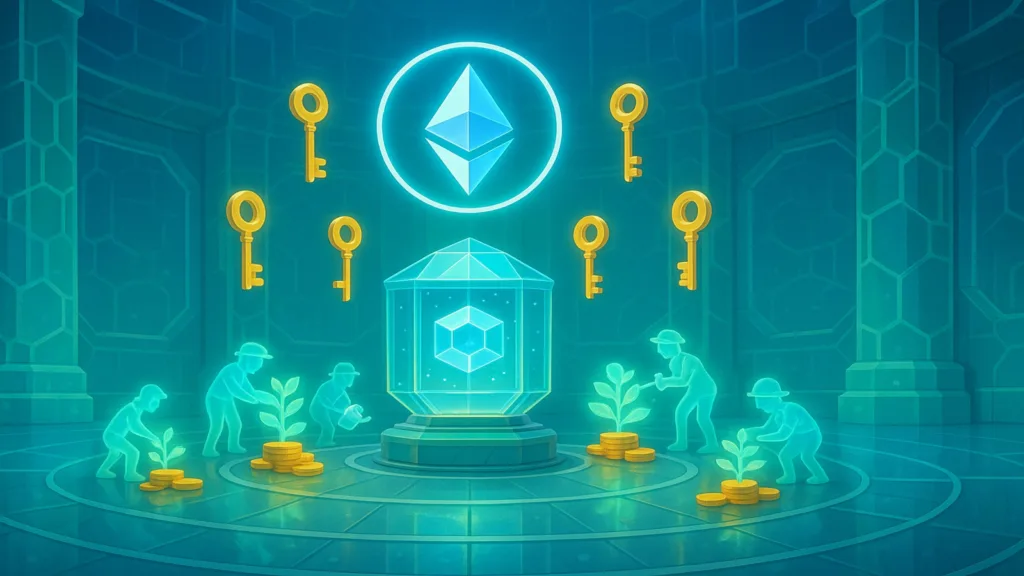
On Tuesday, the Ethereum Foundation transferred its funds into a Safe multi-signature wallet, a security vault that requires multiple approvals before any funds can move. Think of it like a digital safety deposit box with several keys, not just one person’s password. Co-Executive Director Hsiao-Wei Wen later clarified on X that the migration had been planned for months, calling it a “routine treasury upgrade.” And routine or not, this move says a lot about where Ethereum is headed next.
From HODL to housekeeping
The Ethereum Foundation has long been viewed as crypto’s most disciplined steward. It funds research, supports developers, and underwrites critical upgrades like “The Merge” and “Dencun.” But its latest shift is about treasury philosophy.
Back in June, the foundation unveiled a new “DeFiPunk” policy that reimagines how a major crypto organization should manage its money. Instead of sitting on billions in idle ETH, it plans to deploy more of its funds into decentralized finance protocols like Aave, Cowswap, and Morpho, earning returns while helping the ecosystem it built thrive.
It’s a self-reinforcing model: invest in Ethereum’s tools, strengthen the network, and grow your own balance sheet in the process. It’s both idealistic and pragmatic, a rare mix in crypto.

Cutting costs, growing smarter
Under the new plan, the Ethereum Foundation aims to reduce annual spending from 15% of assets to just 5% by 2030. That’s a major pivot from its early “spend to build” era. The idea now is sustainability: fewer splashes, more staying power. In simple terms, Ethereum is learning to act like a mature financial ecosystem, less startup, more steady institution.
At the same time, using on-chain DeFi tools instead of traditional banks keeps things transparent and verifiable. Every transaction can be seen publicly. No hidden accounts. No secret transfers. It’s an experiment in radical financial accountability, and one that other blockchain projects will likely watch closely.
Market ripples and reality checks
Still, crypto Twitter didn’t take the news calmly. Whenever a big entity moves ETH, traders assume the worst. Prices dipped about 4.5%, with ETH sliding from around $3,980 to roughly $3,815 in 24 hours. But nothing suggests the Ethereum Foundation is selling. On the contrary, this looks like long-term housekeeping, not short-term panic.
And while the market fixates on price charts, Ethereum’s leadership seems focused on something bigger: building a resilient financial backbone for the world’s most used blockchain. As the DeFi sector expands, integrating treasury management directly into that ecosystem isn’t just smart, it’s symbolic.
What’s next from the Ethereum Foundation?
This $600 million migration might seem like a technical footnote, but it reflects something deeper. The Ethereum Foundation is quietly redefining what financial responsibility looks like in the decentralized era. By embracing the very tools its community built, it’s proving that Ethereum isn’t just a blockchain; it’s a living, breathing economy capable of governing itself.
The market may see “movement,” but the Foundation sees momentum. And in a space where trust can evaporate overnight, the most radical thing Ethereum can do right now is something refreshingly simple: act responsibly.