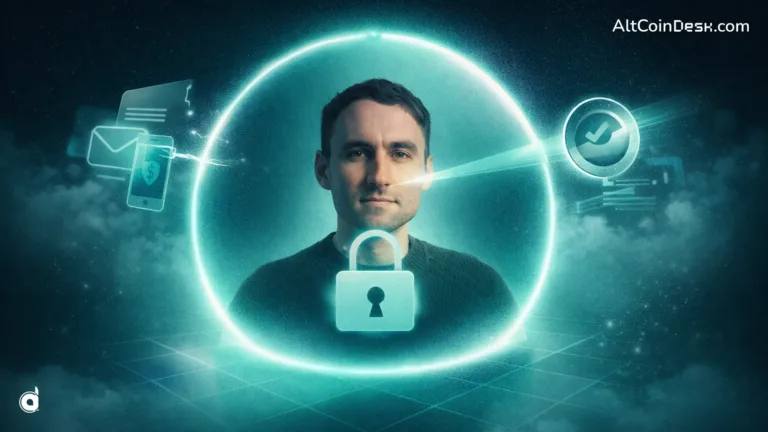



A wake-up call for crypto security
London’s neon-lit streets turned sinister for a US tech professional last week when a routine layover spiraled into a crypto nightmare. The victim, Jacob Irwin-Cline, lost $123,000 in Bitcoin and XRP after an encounter with a fake Uber driver—a story that blurs the line between old-school crime and modern digital theft. Let’s unpack what happened and how you can dodge similar traps.
When a smoke break becomes a security breach
It’s 1:30 AM in Soho. Jacob, jet-lagged but eager to unwind, steps out of The Roxy nightclub and orders an Uber. A driver rolls up in a sleek sedan, not the Prius listed on the app, but he matches Jacob’s ride details and even greets him by his Uber alias. Trusting the system, Jacob hops in.
Then, a cigarette. A few puffs later, Jacob’s world turns hazy. He suspects scopolamine, the infamous “Devil’s Breath,” was slipped into the smoke, a drug rumored to erase memories and suppress free will. No toxicology tests were done, but the aftermath speaks volumes: a stolen phone, a wiped laptop, and crypto accounts stripped of $73,000 in XRP and $50,000 in Bitcoin.
Crypto security: it’s not just about passwords
Jacob’s story isn’t just about a robbery; it’s a crash course in how human flaws can crack even the toughest digital armor. Here’s the kicker: blockchain tech is near-unhackable, but we are its weakest link. Let’s fix that.
1. Treat your crypto like crown jewels (because it is)
Imagine storing diamonds in a paper bag. That’s what hot wallets and exchanges are for with large sums. Hardware wallets, like Ledger or Trezor, act as a vault. Had Jacob used one, the thief would’ve needed a blowtorch, not a passcode, to steal his crypto.
2. Two-factor everything—yes, everything
A password alone is like locking your door but leaving the key under the mat. Authenticator apps (Google Authenticator, Authy) add a second lock. Even if a scammer gets your password, they’d need your phone to break in.
3. Separate your digital lives
Jacob’s laptop was wiped because it synced with his compromised phone. Lesson? Keep crypto activities on a dedicated device. Think of it as a “work phone” for your investments—no social media, no ride-share apps, just cold, hard security.
4. Paranoid traveler 101
Tourists = targets. Avoid public Wi-Fi for crypto moves (use a VPN!), and double-check ride-share details: license plates, car models, and driver photos. If something feels off, bail.
The aftermath: can this happen to you?
Let’s get real: Jacob’s crypto is likely gone for good. Blockchain transactions can’t be reversed, and scopolamine leaves little evidence. But here’s how to stay ahead:
- Use your fingerprint or face ID instead of a passcode. It’s like putting a second lock on the door, and thieves hate extra effort.
- Carry a decoy wallet with a bit of cash in it. If someone goes fishing, they catch the bait while your real money stays out of sight.
- And trust your instincts. If a stranger suddenly wants to buy you a drink, offer a smoke, or “help” a little too eagerly, take the hint and move on. Being polite has its limits, and it definitely isn’t worth $123,000.
Final take: safety isn’t just digital
The $123K Bitcoin & XRP theft is a grim lesson: crypto security extends beyond firewalls. It’s about blending digital prudence with street smarts. As scams get more complex, the community needs to focus on education because the next Devil’s Breath could come after any of us.
Stay alert, stay skeptical, and remember: your crypto’s safety starts with you.