



The global adoption of cryptocurrencies and the rapid growth of crypto exchanges have transformed the digital assets landscape and finance. Here are the 9 crypto regulatory shifts in 2025 that reshaped the market.
Genius Act

The U.S.’s Genius Act, adopted in 2025, ended the uncertainty in the stablecoin’s regulatory framework. The Act established the first legislation in the U.S. to accept digital assets with a fixed value and use them for transactions.
The Act also strengthens the U.S. dollar’s influence in the digital economy. Playing a broader role in the future of crypto, it also ensures stronger consumer protection by giving priority to stablecoin holders over reserves in case of issuer insolvency and prohibiting misleading marketing.
Markets in crypto-assets regulation (MiCA)
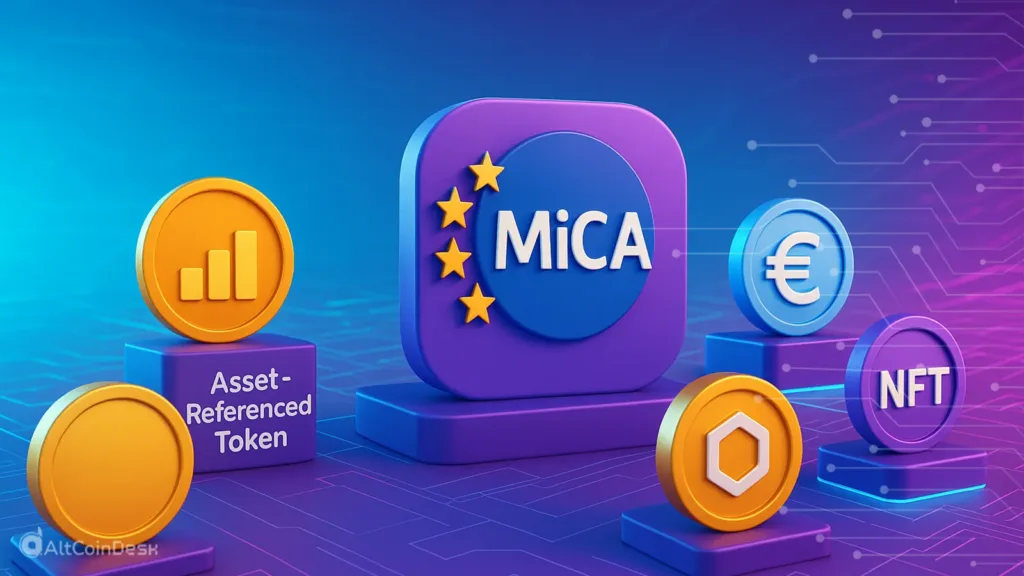
MiCA, adopted in 2023 in Europe, was the first regulation to trace crypto-asset transfer, like how it should be issued, governed, and backed. The primary goal is to ensure consumer and investor protection by ensuring financial stability and market integrity through legal certainty.
Under the MiCA regulation, crypto assets are viewed either as Asset-Referenced Tokens, or E-money tokens like fiat pegged stablecoins, and the other crypto assets like utility tokens and NFTs.
Digital Asset Market Clarity Act

Under the Clarity Act of 2025, a demarcation between ‘digital assets’ and ‘securities’ was framed. Consumers are protected by strengthening transparency and giving accountability. From crypto or digital asset sales being treated like security offerings to a legally recognized transaction, the act plays a pivotal role.
Hong Kong Stablecoins Ordinance

The ‘stablecoins bill’ of Hong Kong proposed a framework that targets fiat-referenced stablecoins (FRS).
The stablecoin ordinance institutionalized the market, providing a balanced financial innovation with risk management that places both consumers and stablecoin issuers under a regulatory framework. This imposed a wall with strict risk management and anti-money laundering or counter-terrorist financing standards in the crypto sector.
Tax transparency under Crypto-Asset Reporting Framework (CARF)

UAE Introduces crypto-tax transparency via the globally recognized CARF, a new tax transparency system that helps countries automatically share information about crypto-asset transactions. Its main goal is to give tax authorities around the world clearer, standardized data so they can better understand and oversee crypto activity. This way, taxes are imposed on crypto payments just like how it works with a bank.
UAE Central Bank’s Programmable CBDC (Digital Dirham)

UAE is advancing its financial infrastructure with a central bank digital currency called Digital Dirham. CBDC can offer financial services to the unbanked and underbanked population by providing digital wallets through licensed financial institutions and fintechs.
Digital dirham will allow users to use the digitized currency for wholesale, retail, and cross-border transactions, working like cash or a card but with blockchain as its backbone, providing security and ease of use.
The Stablecoin Issuance and Offering (SIO) Module

Bahrain implemented the new stablecoin law in 2025 to govern how digital assets are issued, backed, and traded. The Central Bank of Bahrain said that the aim is to make cryptocurrencies a trustworthy financial tool, while avoiding flooding of market with tokens, but attracting serious players.
Singapore’s FIMA Act

The Monetary Authority of Singapore (MAS) is the primary regulator for financial institutions and the capital market, and it introduced the FIMA Act to enhance the Securities and Futures Act (SFA) and the Payment Services Act (PSA).
In an industry prone to fraud, money laundering, and scams, this helps MAS to inspect and supervise crypto derivatives while reviewing fintech firms dealing in similar products, whether unlicensed or regulated under law.
Financial Services and Markets Act 2000 (Regulated Activities and Miscellaneous Provisions) (Cryptoassets) Order 2025

Under the UK’s Financial Services and Markets Act 2000 (Regulated Activities and Miscellaneous Provisions) (Cryptoassets) Order 2025, any newly classified cryptoasset is to be administered under the regulatory body.
Firms carrying out the newly regulated cryptoasset activities will fall under the UK’s regulatory framework, and the companies serving UK customers will also be required to follow the applicable laws and, once finalised, comply with the Financial Conduct Authority’s (FCA) rules.
The verdict
2025 witnessed the shift from regulators observing to shaping the crypto industry. Stablecoins to digital assets, the law now looks into a regulated space for investors and consumers, equally. As countries continue refining their approaches, 2025 will be remembered as the year crypto finally stepped into a regulated, globally coordinated future.