
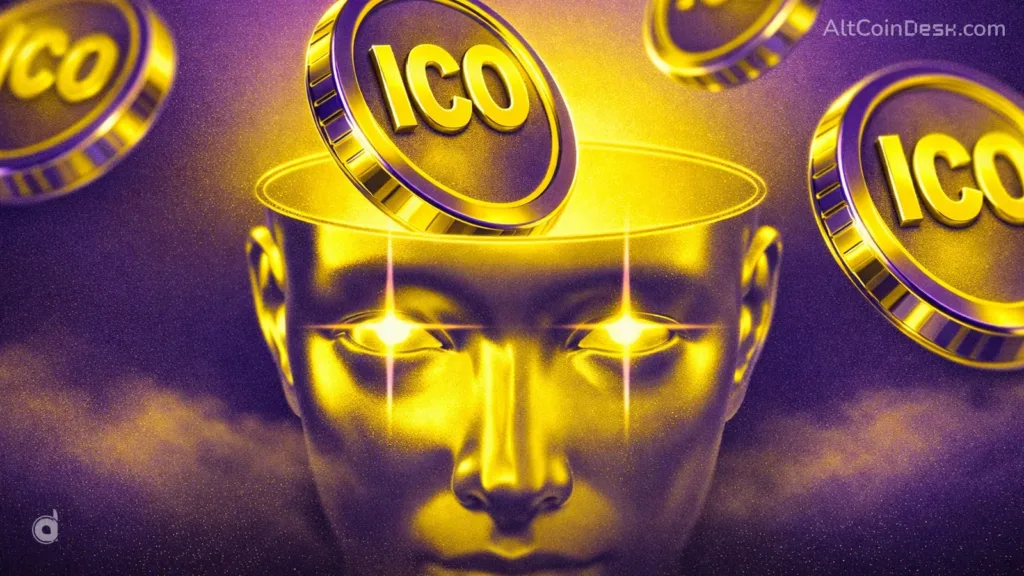

Let us talk about crypto initial coin offerings (ICOs). Not the dramatic Twitter thread version. Not the “next 100x” WhatsApp group prophecy. I mean real initial coin offerings. The kind that raised billions, triggered regulators, made millionaires, created cautionary tales, and forced the financial world to sit up and say, “What exactly is going on here?”
In your mind, envision a startup founder who says, “I have an idea. It will change finance, gaming, art, or possibly the meaning of life. I need funding.” In the old world, they pitch venture capitalists. In the crypto world, they create a digital token and sell it to the public. That sale is called an Initial Coin Offering. You send crypto. They send you tokens. Everyone hopes for greatness.
Now let us unpack this carefully, with both optimism and eyebrows raised.
The bake sale that went global
Initial coin offerings are basically a blockchain bake sale. Instead of cupcakes, you get tokens. Instead of parents with loose cash, you get global investors with ETH. Instead of a school hall, you get the internet.
Here is how ICO crypto usually works.
A team writes a white paper. This document explains the idea, the problem, the solution, the token supply, and how the money will be used. Some white papers read like engineering textbooks. Others read like motivational speeches after three cups of coffee.
Then the team announces the sale. You send funds, often Ethereum. In return, you receive newly created tokens. These tokens live on a blockchain. They might later trade on exchanges. They might give you access to a product. They might represent something like a share in the project. Or they might simply sit in your wallet while you refresh price charts.
That is the initial coin offering explained in its simplest form.
Why does everyone get excited?
Between 2016 and 2018, initial coin offerings exploded. Billions of dollars flowed into ICO investing. The idea was irresistible. No banks. No gatekeepers. Global participation. Instant funding.
For founders, it was freedom. For investors, it was early access to the next big thing. You did not need a suit. You needed a wallet. But here is where the plot thickens. When money moves quickly and globally, without much oversight, both brilliance and chaos show up at the same party.
Not all tokens are created equal
When you hear ICO in crypto, it sounds simple. Buy a token. Wait. Profit. In reality, tokens fall into different categories. Some are payment tokens. They are designed to move value around, like digital cash. Some are utility tokens. They act like prepaid access cards. You use them inside a platform, perhaps for storage, gaming, or services. Others behave more like investment products. They promise profit sharing or returns tied to the success of the project. This is where regulators begin adjusting their glasses.
In the United States, authorities use something called the Howey test to decide if a token looks like a security. If people invest money expecting profits based on the efforts of a team, the token can be treated like a security. That changes everything. Registration rules, disclosures, compliance, and the whole formal suit and tie package.
In the United Kingdom, regulators have warned that initial coin offerings can be very high-risk. In the European Union, new rules under MiCA require formal disclosures in many cases. Switzerland’s FINMA has also classified tokens by function, separating payment, utility, and asset types.
So when you ask, “What is an ICO?” the honest answer is this. It depends on what the token actually does.
The red flags nobody likes to read
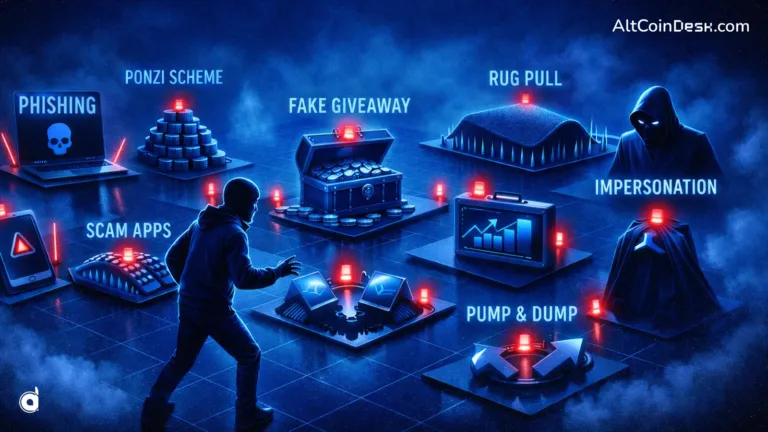
Let us be honest about ICO investing. If someone promises guaranteed returns, pause. If a celebrity is promoting a token without clear disclosures, pause. If the team has no real names, no history, and no audit, pause harder.
Many initial coin offerings failed not because the idea was evil, but because the execution was weak. Some projects disappeared. Some were hacked. Some ran out of funds. Some were simply overhyped.
Smart ICO investing requires boring questions like:
- Who is the team?
- What problem is being solved?
- How many tokens exist?
- How many does the team own?
- When do their tokens unlock?
- Has the smart contract been audited?
- How will the funds be stored?
Exciting headlines sell tokens. Boring diligence protects wallets.
How ICOs work in real life
Let us slow it down and walk through how ICOs work step by step.
- First, the concept is born. A team designs tokenomics. That means total supply, distribution, and allocation.
- Second, they publish the white paper. This is their official pitch.
- Third, the sale opens. You send crypto to a smart contract.
- Fourth, you receive tokens. Sometimes instantly. Sometimes after a vesting schedule.
- Fifth, the project builds. Or tries to.
And this final step is where the difference between dreams and discipline becomes clear. Some projects deliver working products. Others remain ideas with logos. Initial coin offerings are powerful because they remove friction from fundraising. But they also remove filters. That is both their genius and their risk.
The emotional side of ICO investing
Here is something nobody writes in white papers. ICOs play with emotion. You feel early. You feel smart. You feel ahead of the crowd. You imagine telling people you bought it before it was listed. That emotional energy can cloud judgment.
A token is not a lottery ticket. It is a bet on execution. And execution takes time, skill, and governance. When people ask, “What is an ICO?” I sometimes say this. It is a startup fundraiser wearing a blockchain costume. Sometimes it becomes a unicorn. Sometimes it becomes a cautionary tale.
Conclusion: Initial coin offerings, power with responsibility
Initial coin offerings changed fundraising forever. They allowed small teams to raise global capital without traditional finance. They sparked innovation, experimentation, and serious debate. They also attracted fraud, speculation, and regulatory scrutiny. The lesson is not fear. The lesson is clarity.
Understand how ICOs work. Read the white paper. Check the team. Study the token structure. Know the legal landscape in your country. Treat ICO investing like early-stage investing, not instant wealth. Initial coin offerings are neither magic nor madness. They are tools. In the right hands, they build new networks. In careless hands, they burn savings.
And now, when someone asks you, what is an ICO?, you can smile calmly and say, it is a global digital bake sale with very real consequences.