


The allure of crypto? It’s real. That heart-pounding potential for freedom and fortune keeps pulling folks in. But here’s the raw truth we’ve seen over two decades in the trenches: for every genuine innovator, there are a dozen snake oil peddlers setting up shop.
The grift isn’t just hanging on; it’s getting smarter, slicker, and more dangerous by the day. Your digital wallet? It’s the prime target in this high-stakes game. Think of this as your essential field guide to spotting the landmines disguised as goldmines. Crypto scams are the dark underbelly you need to see. Let’s dig in!
Pig-butchering 2.0
Romance meets fake brokerage, and your wallet plays the pig.
Fraudsters now court victims for months on chat apps, then steer them to slick “trading” portals that mimic legit exchanges. Watch for unsolicited compliments followed by a “quick profit” demo. If withdrawals mysteriously fail, you’re on the butcher’s block of a crypto scam. Break the spell early; disappear faster than their promised 30% monthly yield.
The rug-pull renaissance
DeFi devs lure liquidity, then vanish like Houdini.
Rug pulls remain the headline act in every bear or bull. Reports show surges linked to meme tokens with locked-in selling bans and multi-wallet exit plans. Studies count hundreds of honeypot contracts on fresh decentralized exchanges.
Do a contract scan: look for unverifiable code, single-signer privileges, or “mint” functions that can nuke supply. If a project pairs sky-high APY with anonymous founders, assume a crypto scam until proven otherwise.
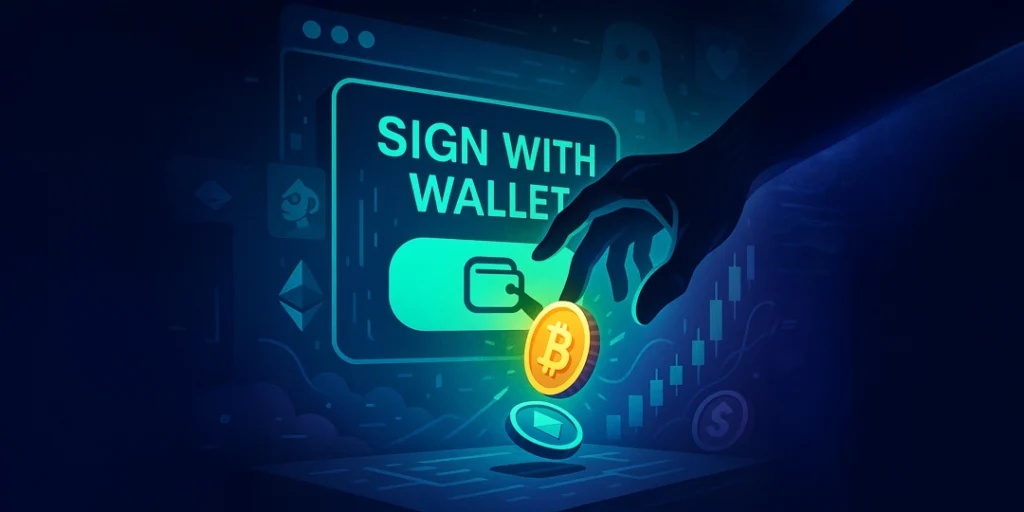
Wallet drainers: Click, sign, gone
Phishing evolves; your signature is their stick-up note.
Crooks weaponize “Sign In With Wallet” pop-ups disguised as airdrops or NFT mints. Treat every connection request like handing a stranger your house keys. Double-check URLs, revoke dApp approvals, and park long-term assets in cold storage. Remember: if the gas fee is free, the crypto scam probably isn’t.

Impersonator airdrops and paid-group gurus
Blue-check clones push “exclusive” tokens—pay first, ask never.
Telegram and X overflow with accounts copying real influencers down to the profile banner. They hawk “airdrop access passes” or sell entry to VIP trading rooms that evaporate once the ETH hits. Victims rarely admit losses, allowing the grift to recycle weekly.
Verify handles, refuse up-front fees, and never share seed phrases. A genuine expert won’t cold-DM you wallet links. Spotting the socially engineered crypto scam early saves both capital and pride.
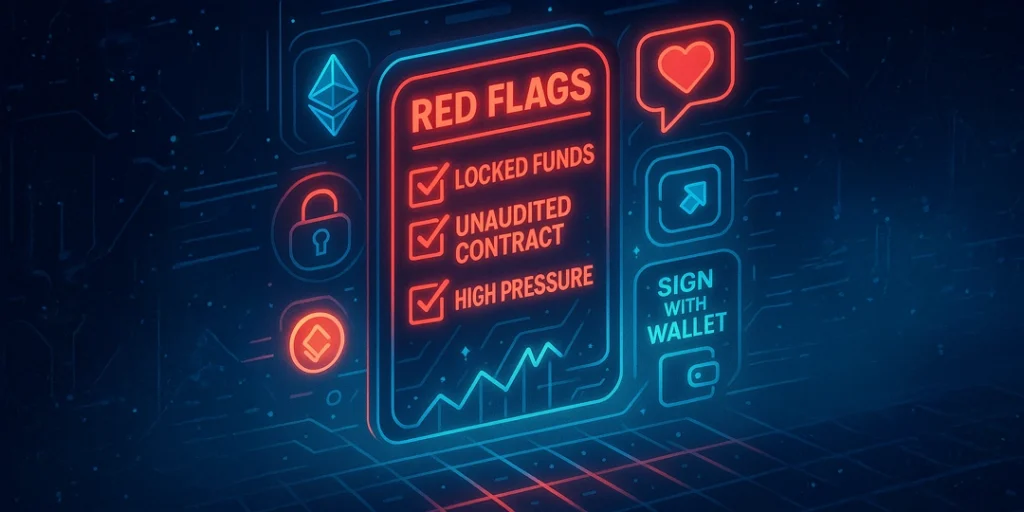
Red-Flag Refresher
- Promises of guaranteed returns or fixed timelines.
- Anonymous teams, unverifiable smart contracts, or sudden token mint powers.
- Pushy romance angles linked to off-site “investment” portals.
- One-click wallet approvals for unknown dApps.
Closing ledger: Vigilance is your best investment
The promise of crypto is real, but so is the multi-billion-dollar crypto scam industry buzzing around it like flies. Don’t let the con artists steal your shot. Your greatest asset isn’t the hottest new token—it’s your own sharp mind and disciplined habits.
Master the scams, wear skepticism like armor, and build security protocols you’d trust with your life savings (because you are!). This isn’t about fear; it’s about empowerment. You navigate this space not as prey, but as a confident participant. Own your security, verify relentlessly, and make smart moves. Go get yours, but do it with your eyes wide open and your digital vaults sealed tight. You hold the keys.