

In a recent Solana Improvement Proposal (SIP), Solana developer soffije floated a radical idea – making Solana transactions truly ‘gasless.’ If achieved, this could eliminate one of crypto’s most significant hurdles to onboarding new users.
Solana developer proposes removing gas fees
The SIP by Solana developer soffije, titled “Standard for Gasless Transactions (Fee Delegation)”, proposes to introduce a standardized framework for “gasless transactions,” giving users the option to pay for transactions via SPL tokens like USDC – or have them entirely sponsored by the app.
Notably, the proposed change to enable the so-called gasless transactions aims to achieve the target without compromising Solana’s security model. While Solana boasts one of the lowest gas fees in the crypto industry, the mere requirement to hold some SOL in the wallet might sometimes infuriate new users.
The problem is particularly troublesome for new users, as when they receive new airdrop tokens or non-fungible tokens (NFTs), they cannot move or swap them for stablecoins or other tokens without owning some SOL.
In the discussion forum, several other community members agreed with the severity of the issue. They stated that such a hurdle can significantly worsen users’ experience for beginners in the industry, eventually leading to low user activity on the blockchain.
It should be noted that gasless transactions already exist in the Solana ecosystem, such as Phantom Wallet’s gasless swaps. However, the majority of such solutions are fragmented, leaving most users without any benefits.
No changes in Solana protocol required
Specifically, the SIP proposes a standardized gasless transaction model where users can pay fees in SPL tokens. According to the SIP, relayers or third-party applications will cover SOL costs and co-sign transactions atomically.
In simple words, the SIP defines a unified transaction format, a common relayer application programming interface (API), and clear wallet and decentralized application (dApp) standards to ensure a transparent user experience.
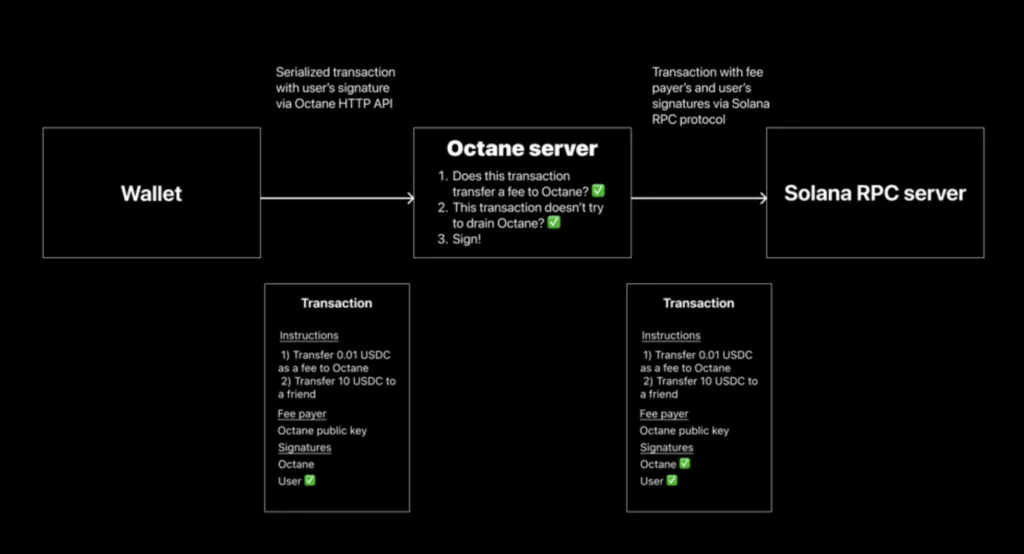
It’s worth emphasizing that the SIP requires no change in the core Solana protocol. As usual, validators will continue to receive fees in SOL, while relayers will handle conversion and other associated risks of price volatility.
If successfully implemented, the SIP could make the requirement to hold SOL obsolete. The proposal holds the potential to offer a simple Web 2-like onboarding experience without compromising Solana’s decentralization.
The Solana community is seeking new users to join the rapidly evolving ecosystem. In recent news, Solana Mobile Seeker announced a 1.8 billion SKR token airdrop for its users.
Recent on-chain metrics suggest that efforts to attract new users are indeed effective. Recently, the number of unique wallet addresses on Solana surged to three million.