

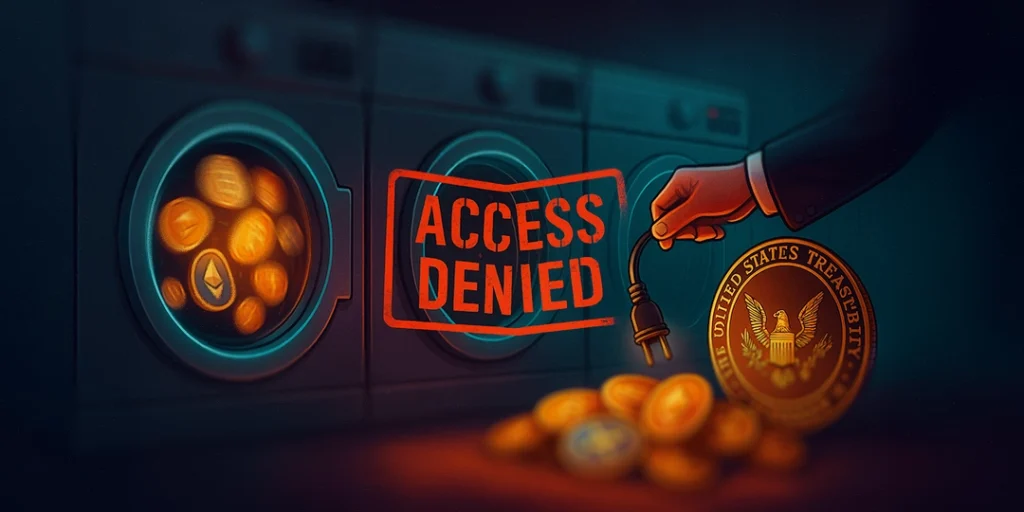

Washington just flipped the switch on one of the biggest crypto enforcement actions we have seen yet.
The U.S. Treasury Department announced plans to shut the Cambodia-based Huione Group out of the American financial system, accusing the company of laundering more than $4 billion in illicit funds since 2021. According to regulators, this was not a side hustle or a few bad transactions slipping through the cracks. It was a full-scale operation, allegedly tied to North Korea’s Lazarus Group and a wave of crypto pig butchering scams that have drained millions from unsuspecting victims.
In a detailed report from FinCEN, Treasury officials describe Huione as a financial convenience store for criminals. Its ecosystem included Huione Pay, Huione Crypto, and a shadowy marketplace called Haowang Guarantee. Together, they allegedly allowed hackers, fraudsters, and ransomware gangs to move stolen crypto into usable cash with alarming ease.
Haowang Guarantee, in particular, is described as a darknet-style marketplace that did far more than sell illegal goods. Authorities say it acted as a key bridge between crypto crime and the traditional financial system, helping bad actors convert digital assets into fiat while avoiding scrutiny. At least $37 million of the funds funneled through the network has been directly linked to North Korean cyber operations that help finance the regime’s weapons programs.
The numbers are difficult to ignore. Between August 2021 and January 2025, Huione reportedly processed $36 million tied to pig butchering scams alone. These schemes are especially brutal, relying on long-term emotional manipulation before pushing victims into fake crypto investments. Lazarus Group, already infamous for attacks like the $625 million Axie Infinity hack, is accused of using Huione to blur the trail of funds stolen from exchanges and DeFi platforms.
Treasury officials did not mince words. One spokesperson said Huione did not just move dirty money; they engineered an entire ecosystem around it. Compliance checks were allegedly treated as obstacles to be bypassed, not safeguards to be respected. The goal of the crackdown is simple: cut Huione off from U.S. banks and block access to dollar-based transactions.
For everyday crypto users, this case lands a little too close to home. Decentralized tech keeps getting smarter, faster, and more resilient, yet the same old weak spots keep showing up. When criminals want to cash out, they still head for the easiest exits: offshore exchanges and payment processors that ask too few questions. And this time, regulators are making it clear they are done pretending not to notice.
The Treasury’s move could become a blueprint for future actions against hybrid fiat crypto networks operating in regulatory gray zones. It also raises a familiar question across the industry. If Huione is on the list today, who might be next tomorrow?
One thing is certain. The era of quiet banking relationships and polite ignorance is fading fast. Whether you trade DeFi tokens at midnight or move institutional-size capital before breakfast, the message is the same. Compliance matters now more than ever.
Keep your wallets secure, your KYC current, and your exchanges a lot cleaner than Huione ever was.