


From Singapore’s “perps” to London’s tokenized funds, the quiet revolution in 2025 has proven to be more than coins or charts but about connecting blockchains to the real world, one data point at a time.
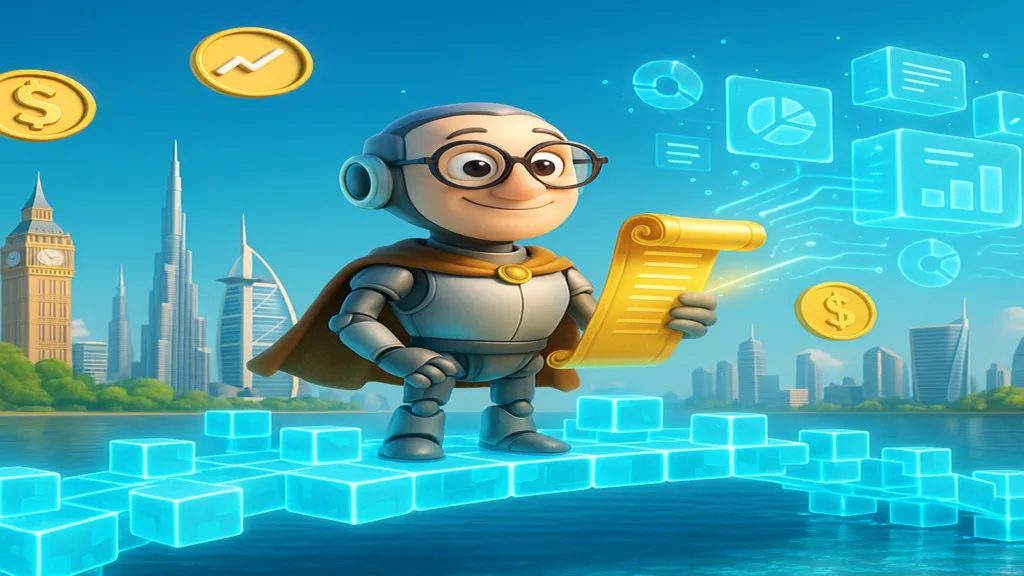
Let’s be honest, most people hear “oracle” and think of either Greek myths or a tech company from the 1990s. But in crypto, oracles are something else entirely. They’re the invisible messengers that tell the blockchain what’s happening in the real world. Prices, weather, votes, sports results, if it exists outside the chain, an oracle is how the blockchain learns about it.
And that makes oracles the unsung heroes of the next big transformation, the rise of the crypto institution.
Because while the headlines scream about Bitcoin’s roller coaster or Singapore’s new “perpetual futures,” the real story lies beneath: data. Trusted, verifiable, real-world data flowing into blockchains. That’s what turns crypto from casino chips into a connected economy.
How 2025 changed everything
This year, two major events quietly reshaped the future of blockchain:
- The Singapore Exchange (SGX) introduced regulated Bitcoin and Ethereum “perps” (perpetual futures).
- The UK’s Financial Conduct Authority (FCA) announced plans to let asset managers tokenize investment funds on blockchain.
At first glance, those stories seem miles apart, one about trading, the other about fund management. But if you zoom out, both depend on the same missing piece: reliable, real-world information delivered to smart contracts.
When the FCA talks about tokenized funds that settle in seconds, it’s really saying, “We trust the data flow.” When SGX limits leverage to 3:1 on crypto derivatives, it’s saying, “We need clean, real-time pricing.”
That’s the oracle’s cue.
Oracles feed those prices, those settlements, and those identities, so the system doesn’t just run faster, it runs truthfully. Without them, blockchain finance is like a race car without sensors: fast, but blind.
From chaos to clarity
If the 2020s began with hype and rug pulls, 2025 is when the crypto institution stepped onto the stage. The phrase sounds abstract, but it really just means one thing: crypto growing up. The arrival of SGX, Cboe, and the FCA into blockchain isn’t about rebellion; it’s about responsibility.
These aren’t memecoin enthusiasts; they’re financial grown-ups asking, “What if this technology could actually work safely?”
And the answer lies in oracles.
- For Singapore’s “perps,” oracles keep prices accurate and prevent manipulation. Every tick of Bitcoin’s price comes from aggregated, tamper-proof feeds that remove human bias.
- For the UK’s tokenized funds, oracles track valuations, asset movements, and even compliance events. They can tell a smart contract when dividends are paid or when a market closes, all without manual paperwork.
When regulators demand clarity, oracles deliver it.
Crypto institutions and the human side of the machine
But let’s step away from the tech for a second. What makes this so powerful isn’t the coding; it’s the trust.
Imagine a teacher in Nairobi investing in a tokenized UK fund from her phone, confident that her investment data is verified, updated, and protected. Or a small logistics startup in Dubai hedging fuel prices through a Singapore exchange, all powered by real-time oracle feeds that track global oil prices.
That’s the crypto institution in motion: connecting lives, not just ledgers.
For too long, crypto was about isolation; “be your own bank” meant “be on your own.” Oracles flip that story. They make it possible for blockchains to interact with the world responsibly, to build bridges between regulators and innovators, between risk and reward, and between dream and delivery.
Why it matters now
We’re entering a world where every asset, from a stock to a solar panel, can exist as a token. But for that vision to work, the blockchain must see, hear, and understand reality.
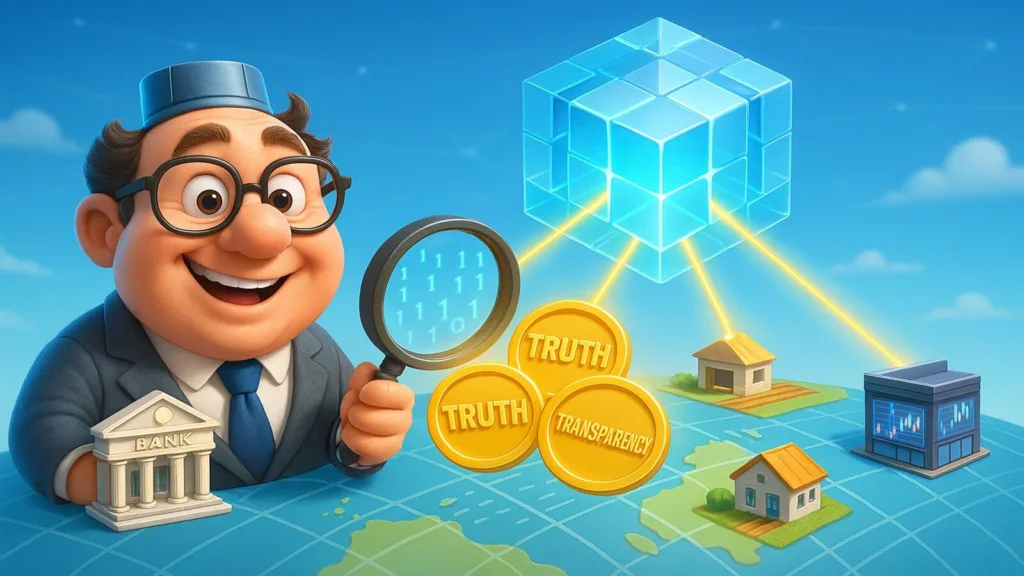
That’s what oracles do: they make the invisible visible. They let machines trust facts.
And that’s why regulators from Singapore to London are suddenly so comfortable experimenting with blockchain tools. Because data, once their biggest fear, has become their greatest ally.
The key takeaway
It’s poetic, in a way. The technology born to cut out middlemen is now learning how to cooperate with them. The crypto market that once ran on chaos now depends on clarity. And at the center of it all sits the humble oracle, a digital bridge that finally lets the crypto institution cross into the real world.
So, next time you hear about tokenization or perpetual futures, don’t think of leverage or hype. Think of the silent systems underneath, whispering the truth from one world to another.
That’s where the revolution really lives, not in coins or charts, but in the quiet heartbeat of information.