


Hong Kong spent years building the most meticulous stablecoin regulatory framework in Asia. It passed laws, reviewed 36 applicants, and handed out its first two licenses with the kind of ceremony usually reserved for royal weddings.
Then, barely three weeks after the champagne dried, scammers waltzed in wearing name tags that said HSBC and helped themselves to the buffet. Welcome to crypto in 2026, where the fraudsters always RSVP faster than the regulators expected.
This is the story of the fake Hong Kong HSBC tokens that showed up before the real ones even left the building and what it says about the gap between building a framework and actually protecting the people inside it.
The ink was barely dry
To understand just how audacious this whole affair is, you need to rewind slightly. Hong Kong’s Stablecoins Ordinance came into force on August 1, 2025. That was the starting gun for a licensed, regulated stablecoin industry in one of the world’s most-watched financial centers. Thirty-six companies lined up and applied.
After months of scrutiny, the Hong Kong Monetary Authority granted its first two licenses in early April 2026: one to The Hongkong and Shanghai Banking Corporation Limited, better known to the world as HSBC, and one to Anchorpoint Financial Limited, a joint venture formed by three names you would not normally expect to share a boardroom table: Animoca Brands, Standard Chartered Bank Hong Kong, and HKT, the city’s telecommunications giant.
Anchorpoint was set up specifically for this moment. It was incorporated in August 2025, the same month the ordinance kicked in, with a plan to launch a product called HKD At Par under the ticker HKDAP. HSBC, meanwhile, announced plans for a Hong Kong dollar-denominated stablecoin available through its PayMe platform and its local mobile banking app, with a launch window targeting the second half of 2026, possibly as late as November during Hong Kong Fintech Week.
Both companies confirmed the same thing clearly and unambiguously: as of late April 2026, no regulated stablecoin had been issued. Not one. The shelf was empty.
Someone skipped the waiting room
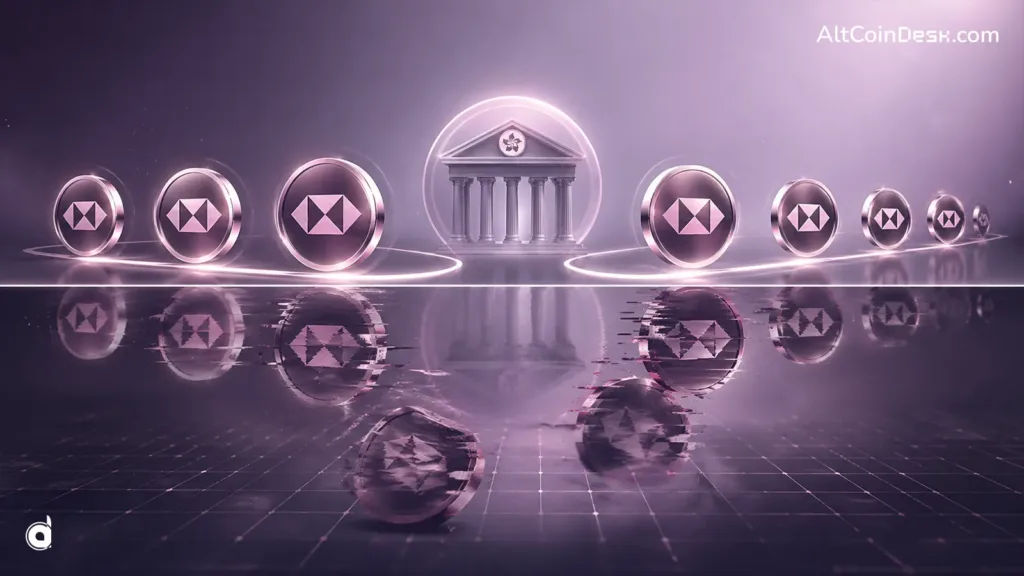
That did not stop a set of very enthusiastic entrepreneurs from launching tokens anyway. On April 28, 2026, the HKMA issued a public alert confirming that tokens trading under the tickers HKDAP and HSBC had appeared in crypto markets. The HKMA confirmed that both licensed stablecoin issuers had verified they had not issued any regulated stablecoins in the market at that time.
Let that sink in for a second. Someone looked at the announcement that HSBC had received a stablecoin license, decided the waiting was for other people, slapped HSBC’s name on a token, and shipped it. That takes a special kind of confidence. Or a special kind of something else entirely.
The HKMA’s alert urged the public to stay vigilant against fraudulent activities purportedly associated with the licensees or their stablecoin plans and reminded people to use only regulated channels when acquiring or using stablecoins.
Both HSBC and Anchorpoint Financial issued their own separate alerts, with HSBC directing concerned customers to its fraud hotline at 2233 3000. Anchorpoint was equally direct, stating flatly that it had not launched any tokens or products under the HKDAP name or any other.
The anatomy of an incredibly fast scam
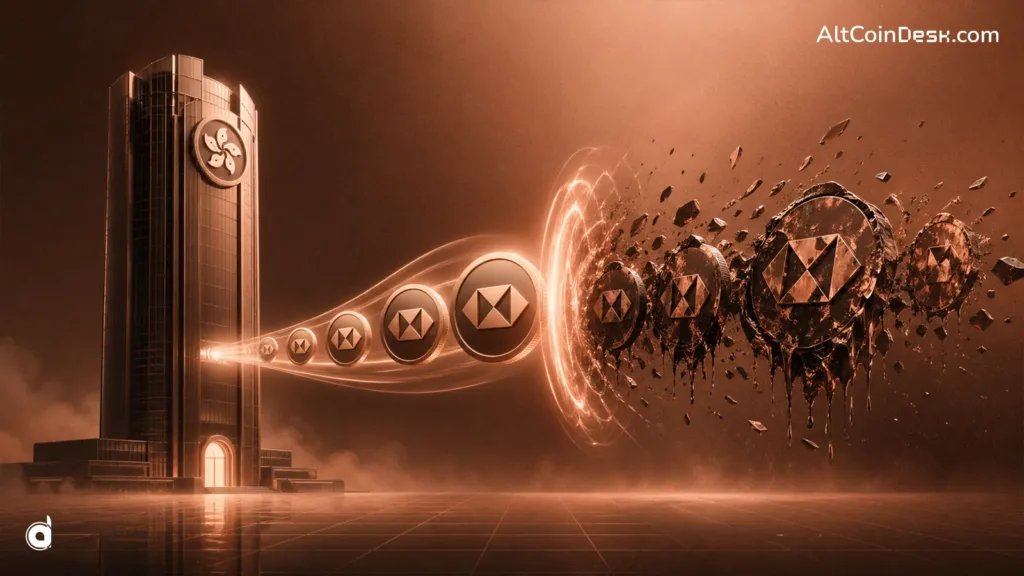
Here is what makes this particular fraud interesting from a structural standpoint, and yes, it is possible to find fraud structurally interesting while still thinking it is terrible. The scammers did not need to invent anything. They did not need to build a believable product story from scratch. The legitimate institutions did that work for them.
Is HSBC announcing an HKD stablecoin through PayMe? Credible. Anchorpoint planning a B2B2C HKD digital payments product? Credible. Two of Hong Kong’s most recognizable financial brands, now with official regulatory licenses? Very credible. All a fraudster needed to do was borrow those names, spin up a token on a decentralized exchange or a minor centralized platform, and let the credibility of the legitimate announcement do the heavy lifting.
The irony is almost poetic. The more rigorous and legitimate the Hong Kong stablecoin framework looks, the more attractive the names within it become to people who want to exploit perceived legitimacy. The HKMA built a system designed to inspire confidence. The scammers borrowed that confidence without paying for it.
Who exactly is Anchorpoint Financial?
Since this company’s name is now attached to one of the more colorful fraud stories of April 2026, it deserves a proper introduction. Anchorpoint Financial Limited is not a startup in the traditional sense. It is a deliberate, institutional joint venture created by three organizations with deep roots in Hong Kong’s financial and technology landscape.
Standard Chartered Bank Hong Kong brings the banking pedigree and the regulatory relationships. Animoca Brands brings the Web3 credentials and the blockchain architecture thinking. HKT, which most people in Hong Kong know as the company behind their phone bills, brings the distribution network and the consumer trust that comes from being a fixture of daily life.
Together, they were planning to launch HKDAP as a tool for secure, institutional-grade HKD digital payments, with a rollout structured around a phased B2B2C model beginning in Q2 2026. What they were not planning was for someone else to launch HKDAP first without their knowledge, their technology, their backing, or their license.
A gap that regulators probably did not budget for
The most uncomfortable question sitting at the center of this whole episode is one that nobody in an official position loves to answer: if regulators could see this coming, why was there no proactive warning between the license announcements in early April and the fake tokens appearing on April 28?
To be fair to the HKMA, it moved quickly once the tokens appeared. The press release was out the same day, and both licensees were clearly coordinating with regulators before going public. But the gap between announcing that prestigious licenses had been granted and warning the public that fraudsters would immediately try to exploit those announcements was about three weeks. Three weeks in crypto time is an eternity. You can build a DEX listing, generate trading volume, and collect victims’ money in considerably less than that.
This is not a uniquely Hong Kong problem. It is the same pattern that plays out every time a regulatory milestone creates a credibility event that bad actors can parasitize. The lesson, if there is one, is that future license announcements might benefit from a simultaneous consumer education campaign. Something along the lines of “Here are the names you will see used in scams by next Tuesday, so please be careful.”
So what does a real HKD stablecoin look like?
Since the fake versions are already circulating, it seems worth sketching out what the genuine articles are supposed to look like when they eventually arrive.
HSBC’s planned stablecoin will be denominated in Hong Kong dollars, integrated into PayMe and the HSBC Hong Kong mobile app, and usable for person-to-person transfers, merchant payments, and potentially tokenized investment products. It is not available yet. The target window is the second half of 2026, with industry observers speculating a possible debut around Hong Kong Fintech Week in November.
Anchorpoint’s HKDAP is designed around institutional and business use cases, with a B2B2C structure that would allow partner businesses to offer HKD digital payment functionality to their own customers. Also not available yet. Planned for a phased rollout beginning in Q2 2026, which at this point means any day now on the legitimate side.
The genuine way to verify either token, when it does launch, is through the official HKMA Register of Licensed Stablecoin Issuers on hkma.gov.hk, through official announcements from HSBC at about.hsbc.com.hk, or through Anchorpoint’s own verified channels. Not through a DeFi platform you found on Telegram. That distinction matters quite a lot right now.
Fake gains, real losses
The Hong Kong fake HSBC token situation is funny in the way that most financial frauds are funny before you remember that real people lose real money. Someone, somewhere, saw those tickers and thought they were getting in early on a bank-backed, regulator-approved Hong Kong dollar stablecoin at ground-floor prices. They were not. They were buying a costume.
Hong Kong built something genuinely thoughtful here. The Stablecoins Ordinance is serious legislation. The licensing process was rigorous. The two companies that emerged from it have the kind of institutional credibility that most crypto projects spend years trying to fake. The framework deserves to work.
But frameworks only protect people who know to look for them. The HKMA’s message to verify everything through official channels and regulated platforms before touching any token is not just bureaucratic caution. Right now, it is the difference between participating in Hong Kong’s legitimate digital finance future and handing your money to someone who read a press release and had a very productive afternoon.
The real stablecoins are coming. The fake ones, as it turns out, already got here first.