

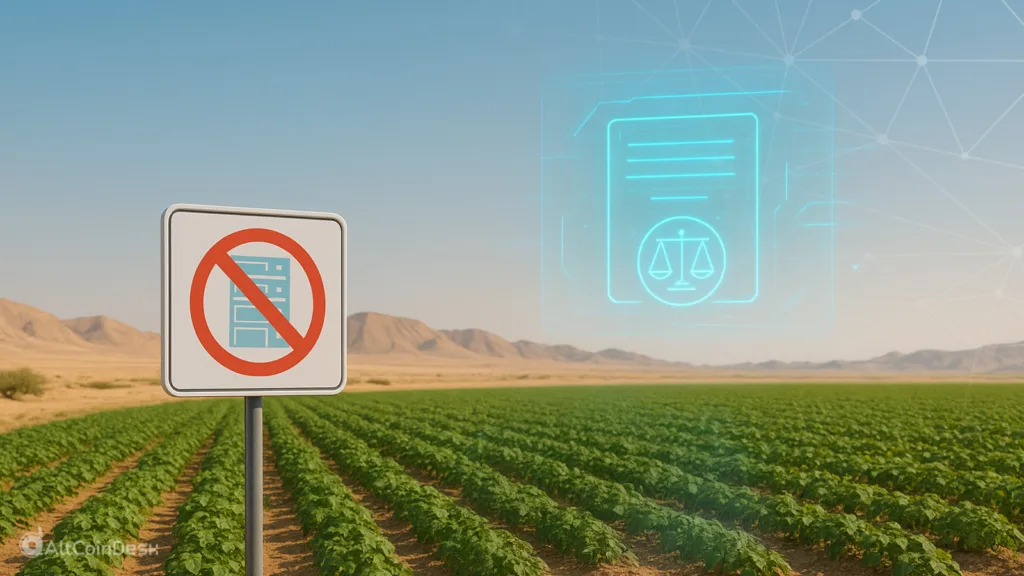

In a landmark move, the Abu Dhabi Agriculture and Food Safety Authority (ADAFSA) has confirmed a ban on cryptocurrency mining on farms, in line with efforts to promote responsible agricultural land use. The ADAFSA authorities will disconnect electricity and confiscate the mining equipment of non-compliant farms.
.@adafsa_gov, in line with efforts to safeguard the agricultural sector’s sustainability and biosecurity, has issued a clarification reaffirming the ban on cryptocurrency mining on farms, urging owners and tenants to comply with the responsible use of agricultural lands. pic.twitter.com/CFYVT4a63l
— مكتب أبوظبي الإعلامي (@ADMediaOffice) September 30, 2025
Serious penalties for violations
Authorities have also stressed that violators will face hefty fines of Dh100,000, which will double for repeat offenses. Earlier in 2024, Abu Dhabi introduced a rule levying fines of up to Dh10,000 for those mining crypto on farms. The updated rule comes in response to several cases of farms engaging in crypto mining. Violations will apply to both farm owners and tenants involved in mining.
With the ban on crypto farming, ADAFSA aims to prevent the negative impact of crypto mining, “maintaining the sustainability of the agricultural sector and enhancing biosecurity for farm owners and tenants.”
Why do people mine crypto on farms?
Although mining crypto on farms may sound strange, some miners make it a practice. In some regions, farms have lower electricity bills/tariffs to support food production and are also physically spacious. Miners take advantage of these features to do crypto mining.
Abu Dhabi has been at the forefront of both technology and good agricultural practices, enhancing sustainable development throughout. While crypto and blockchain adoption — such as AE Coin payments for taxis and judiciary services — is prominent in the emirate, the region remains equally focused on sustainable and climate-smart agriculture plans.