
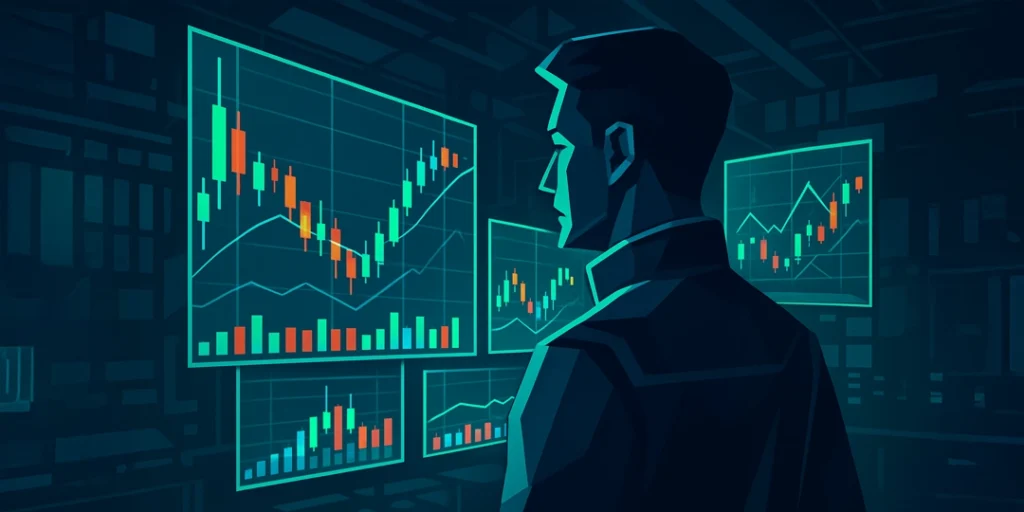

If you looked at trading charts with the green and red candlesticks like an ECG and you went, That ain’t for me, then this article is for you. Although at a glance it may look complicated, trust me when I say this, it ain’t complicated like understanding your girlfriend or your wife. It’s easy. But the question is, how did candlesticks creep into trading charts?
Understanding candlesticks
Introduced by a Japanese rice trader, Munehisa Homm, in the 18th century, the candlesticks were built to represent the psychology of the traders and the balance of power between the bulls and the bears. The bulls are the buyers and the bears the sellers. By looking at historical price changes, Homm was able to understand the shift in market sentiment, find trends and patterns, and predict reversals. Although it was confined to Japan during the early years, later on, the Western world embraced it when Nison introduced it to them.
Components of a candlestick
The body:
The body of the candlestick is the rectangular solid part of the candlestick. This portion of the candlestick represents the difference between the opening price and the closing price. Longer candlesticks represent higher selling or buying pressure based on the color (red/green), while the shorter ones represent indecisiveness.
The Wick:
Unlike the real candlestick, the candlesticks on the chart have wicks coming out of both ends. The wicks represent the highest price and the lowest price of the particular crypto within the specified period.
The Color:
The color of the candlestick shows if the market was bullish or bearish. A green candlestick represents a bullish outlook, which means the closing price was higher than the opening price, while a red candle represents a bearish scenario, where the closing price is lower than the opening price.
Reading a candlestick:
The candlestick with its wick represents four components of the price. The opening price, the closing price, the highest price, and the lowest price. The wick on top of the candlestick represents the highest price that the crypto reached, and if there is no wick on top, then the highest point of the body of the candlestick should be considered the highest price.
Similarly, the lowest price is shown by the wick that extends at the bottom of the candlestick, and if no wick is visible, the lowest part of the body of the candlestick should be considered the lowest price. So what do you reckon, wasn’t it easy understanding, unlike understanding your better half?

Now let’s try to understand some patterns in a trading chart. How are they are formed and what they represent.
Falling wedge

(Source: TradingView)
A falling wedge is a bullish pattern that forms when the price falls as the range between the highs and the lows contracts. The upper trend line is the resistance, and the lower trend line of the pattern is the support. This kind of pattern usually appears during a downward trend, however, sometimes it can also emerge in a bullish scenario. When this pattern appears on a chart, traders expect a trend reversal.
When you consider the psychology behind the falling wedge, at the early stages of the wedge, sellers take control of the market. However, they lose control as the lower highs and lower lows start to contract, showing the waning power of the sellers. Thereafter, the weakening presence of sellers gives into the building buying pressure, and then, the breakout happens
Head and shoulders pattern
(Source: TradingView)
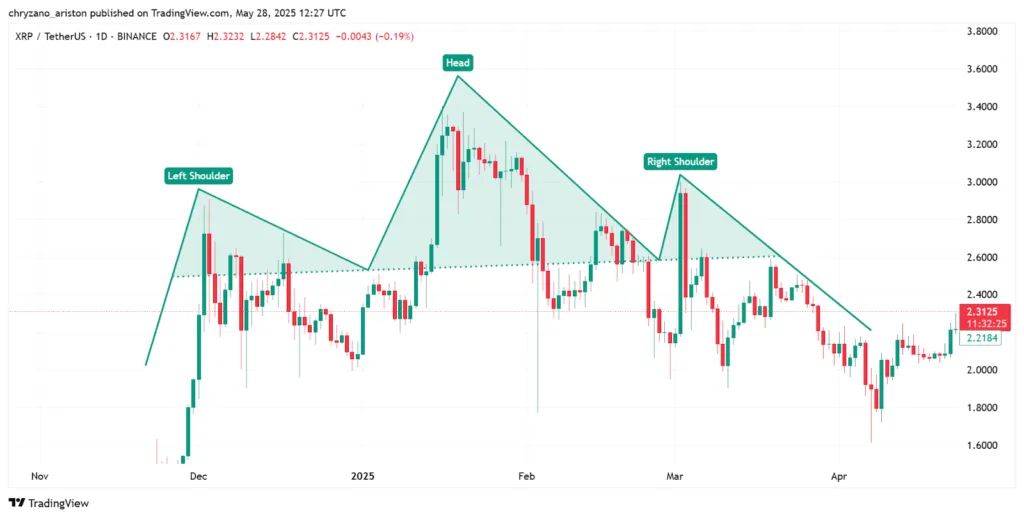
The head and shoulders pattern is a bearish trend reversal pattern. When forming the left shoulder, the prices rise and fall. Thereafter, the head is formed. In this phase, the prices rise higher than the left shoulder and then drop. Finally, the right shoulder, which is usually in level as the left shoulder, forms.
In this pattern, buyers are in control when the left shoulder is formed; however, following this, there will be a natural correction or drop in price, which is normal in a healthy trend. Traders buy the dip, and the prices rise again, forming the head where a new high is formed. But shortly after, the price falls again, after hitting a new high, higher than the left shoulder. The price rises again, but there is not enough buying pressure to reach as high as the head. As such, the price falls again and reaches the neckline.
When trading, you might need to be extra careful, as it may look like the pattern is forming, but sometimes, whales or other market influencers may either buy or sell large quantities of crypto to dismantle the pattern and to liquidate positions.