

Imagine if every time you took a sip of water, you had to pull out your wallet and swipe your card. That’s the clunky reality we’ve built for the intelligent machines in our digital world. We force APIs, data streams, and cloud compute into rigid monthly subscriptions, a model born from human laziness, not machine logic.
Today, with the launch of x402 V2, an AI agent payment machine, that era is ending. This isn’t just a payments upgrade from Coinbase; it’s the first draft of an economic operating system where AI agents pay like machines, not like us.
Why pay-per-call was doomed from the start
For six months, the original x402 protocol has processed over 100 million payments, proving that machines can autonomously transact for API calls, data, and compute. But version one had a fatal flaw rooted in our own bias: it assumed every interaction was a one-off purchase. It mimicked a human fumbling for coins at a tollbooth on every journey.
The monumental shift in V2 is its introduction of wallet-based identity and reusable sessions. Now, an AI agent payment can prove who it is and what it has already paid for, skipping the repetitive on-chain transaction. This simple change, from “pay-per-call” to “prove-and-proceed,” unlocks a world of low-latency, high-frequency tasks that were previously too slow and expensive, like real-time AI inference or complex, multi-step agentic work.

Why your SaaS model is about to feel very outdated
This is where the true lesson for founders and developers lies. We are addicted to the subscription model because it masks complexity for humans. For an AI agent, however, a flat monthly fee is a wasteful abstraction. Machines crave efficiency, granularity, and real-time value matching. x402 V2 speaks this native language by enabling dynamic “payTo” routing and usage-based billing.
A single API can dynamically route a payment to different recipients or adjust the price based on the computational weight of a request. This allows for nuanced models, such as prepaid credits, micro-tipping, and revenue splits in marketplaces, that are far more natural for an autonomous economy than a one-size-fits-all SaaS plan.
Laying the pipes for a machine-run marketplace
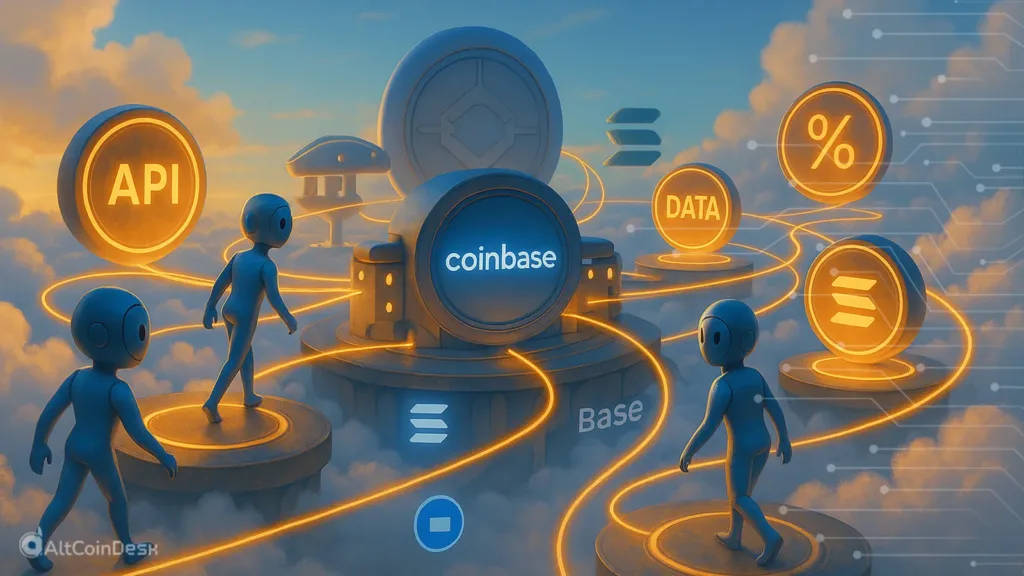
The protocol’s other upgrades cement its role as foundational infrastructure rather than just a payment rail. Its new unified payment interface creates a single format that works across blockchains like Base and Solana and even traditional systems like ACH or card networks.
Meanwhile, the Discovery extension lets services publish their metadata, allowing AI agents to automatically find, compare, and select the best API for the job and the best price for an AI agent payment. This transforms the web from a catalog of sign-up forms into a dynamic, machine-readable marketplace.

The growing pains of a new economic layer
Of course, this future is not without its birth pains. The community is actively wrestling with complex, real-world hurdles, such as making the system work seamlessly with enterprise-grade smart wallets used by institutions to manage billions in assets.
Other developers have faced confusing wallet onboarding flows and signature verification bugs. These problems are a sign that a protocol is being stress-tested in the real world, changing from a neat idea into strong plumbing that can handle the internet.
AI agent payment: What does this mean for you?
The conclusion is inescapable. x402 V2 reveals that we have been projecting our own economic inefficiencies onto our creations. We built subscriptions because we hate friction.
AI agents, unburdened by that psychology, can now pioneer a more fluid and intelligent economy based on instantaneous, verified value exchange. They won’t just execute tasks; they will make continuous economic decisions, navigating a web where value flows as seamlessly as information.
The question for every builder is no longer how to bill for an AI agent payment, but how to price intelligence in real-time for its most discerning customer: another machine.