

For a long time, buying an NFT felt like joining a members-only club where the entry requirement was fluency in cryptocurrency. You’d hear words like “MetaMask,” “gas fees,” and “seed phrases,” and anyone curious would quietly close the tab. The good news? That barrier’s mostly gone now.
In 2026, buying an NFT doesn’t require a crypto wallet, a crash course in blockchain, or any experience with digital currency. The process has gotten surprisingly close to a regular online checkout, and there are platforms built specifically to keep it that way.
NFT for beginners: What you actually need to know first
Before getting into how to buy one, it helps to understand what an NFT actually is, because the name doesn’t exactly explain itself.
NFT stands for Non-Fungible Token. Breaking that down: “fungible” means interchangeable. A dollar bill is fungible. You can swap it for another and end up with the exact same value. An NFT is the opposite. Each one is completely unique, and that uniqueness is recorded on a blockchain, which is essentially a permanent public record that anyone can verify but nobody can alter.
Think of it like a house deed. The deed itself isn’t the house. It’s the official proof that you own it. An NFT works the same way. It’s digital proof of ownership for something specific, whether that’s a piece of art, a music file, a gaming item, or an event ticket.
In 2026, NFTs are being used across:
- Digital art and collectibles
- Gaming (in-game items you can actually sell or trade outside the game)
- Event tickets and membership passes
- Brand loyalty programs and exclusive communities
What about the right-click trick?
One question that almost always comes up: “Can’t someone just right-click and save the image?” Sure, but that’s like photographing the Mona Lisa. You’ve got a copy, not the original. The NFT is the verified ownership record, and no screenshot can replicate that.
If you’re in the NFT for beginners territory, knowing this upfront removes a lot of confusion about what you’re actually spending money on.
Why wallets stopped so many people from getting started
The traditional path to buying an NFT involved several steps that had nothing to do with actually picking something you liked.
You’d set up a crypto wallet, a software app that stores digital assets. Then buy cryptocurrency on an exchange, transfer it to that wallet, and only then connect to a marketplace to make a purchase. Each step introduced new jargon, new fees, and new chances for something to go wrong.
It wasn’t designed for someone who just wanted to own a cool piece of digital art or a gaming collectible. The whole process assumed you were already comfortable with crypto. For anyone new, that assumption has always been the biggest wall.
How to buy NFTs without a wallet in 2026
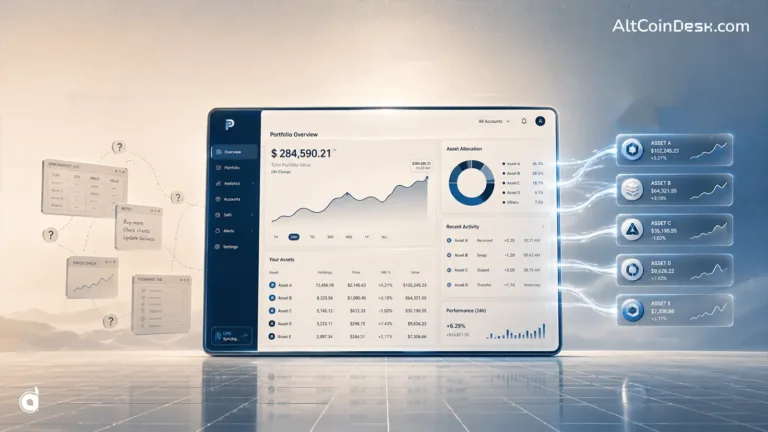
Several platforms now create a wallet automatically in the background when you complete a purchase. You don’t set it up, you don’t download anything, and you don’t write down a recovery phrase. It just exists, tied to your account. Some platforms connect the whole experience to your email address: sign in, pay with a card, and you’re done.
Services like Crossmint and Nifty Gateway have made it completely possible to buy NFT without a wallet in the traditional sense. You browse, you pick, you pay, and the technical side happens without you ever seeing it.
A platform called Supercool, backed by Y Combinator, built its entire checkout process around this idea. You don’t need any crypto knowledge; no browser extensions are required to install, just an email and a payment method.
Understanding blockchain deeply and owning something on a blockchain are no longer the same thing. You don’t need to understand how a server works to order food online, and you no longer need to understand wallets to buy an NFT and actually own a digital asset.
How to buy NFTs with a credit card and which platforms actually support it
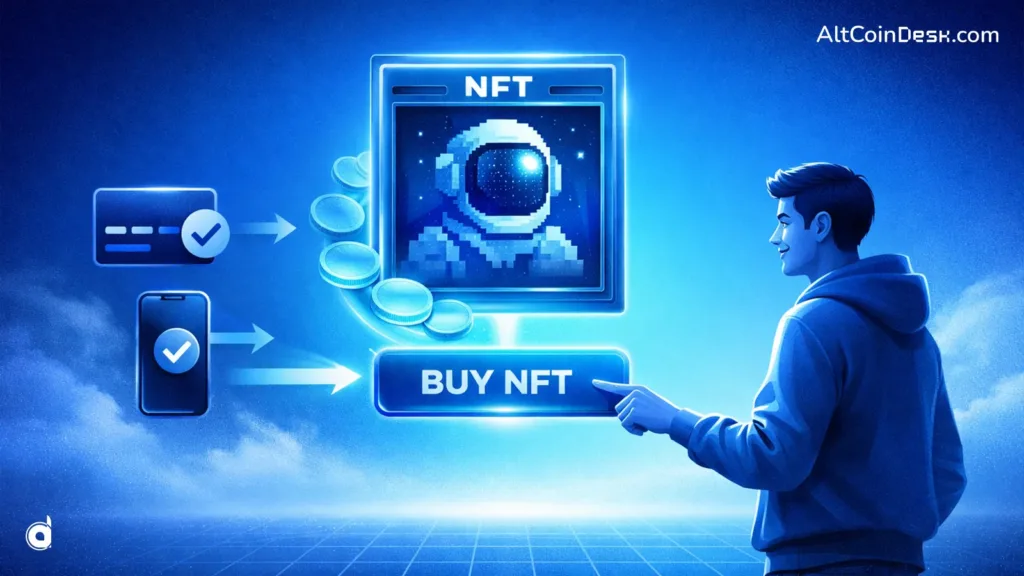
The cleanest entry point right now is a platform that accepts credit or debit card payments directly.
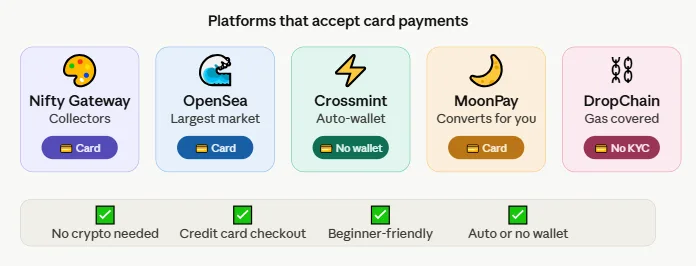
Platforms worth knowing
Nifty Gateway is one of the earlier platforms to support card payments, and it’s built specifically for collectors who aren’t crypto-native.
OpenSea is one of the most established and widely used NFT marketplaces, supporting credit card payments through third-party processors. It’s a solid place to browse across categories.
Crossmint is designed for buying digital assets with a card and no wallet setup required. It handles wallet creation automatically in the background.
MoonPay is a payment processor that plugs into multiple NFT platforms. When you buy NFT with credit card through a site powered by MoonPay, it converts your payment to crypto behind the scenes. You see the dollar price; everything else happens without you touching it.
DropChain covers gas fees for buyers and auto-generates a wallet at signup. It also skips the lengthy identity verification process for most purchases.
The checkout experience across these platforms now feels much closer to buying something on a regular shopping site.
What to expect when you go through checkout
Even on beginner-friendly platforms, a few things are worth knowing ahead of time.
Fees to watch for
- Processing fees: Whether you’re paying with a card or crypto, there’s almost always a small fee added at checkout. It could be a platform fee, a payment processing fee, or both. Worth checking before you commit.
- Gas fees: On platforms connected to the Ethereum network, there’s typically a gas fee, a cost paid to the blockchain to process the transaction. Some platforms cover this for the buyer; others pass it on. DropChain handles it automatically.
- Identity checks: Some platforms ask for basic verification, especially for higher-value purchases. For smaller, entry-level NFTs, many skip this entirely.
After purchase, the NFT appears in your marketplace account or auto-generated wallet. You can hold it, resell it, or use it to unlock perks depending on what it offers.
A few honest things to keep in mind
Getting started is easier than it’s ever been, but it’s worth going in with clear expectations.
The hard truth is that a lot of NFT projects lose their value fast, and many disappear entirely. The ones that stick around tend to have something real behind them: a loyal community, actual utility, or a creator with a track record. Treating a purchase like a sure investment just because something looks trendy rarely ends well.
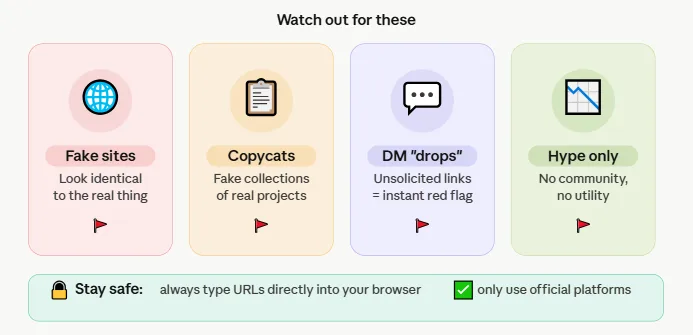
One thing worth taking seriously: the NFT space has more than its fair share of bad actors. Fake sites that look identical to real ones, knock-off collections, and DMs promising exclusive drops are all red flags. Get in the habit of typing platform URLs directly into your browser rather than clicking links, especially from anyone you don’t know.
Start small, with something you’d genuinely like to own. That’s the safest and most enjoyable way to understand how this space actually works.
Start small: Owning your first NFT is closer than you think
The wall between being curious about NFTs and actually owning one has come down a lot. The path now is straightforward: find a platform that accepts card payments, sign up with an email, pick something you like, and check out. For anyone in the NFT for beginners territory, that’s really the whole process.
Whether it’s digital art, a gaming collectible, or an access pass to a community, the ability to buy NFT with a credit card in 2026 has made ownership genuinely accessible. No crypto wallet required.